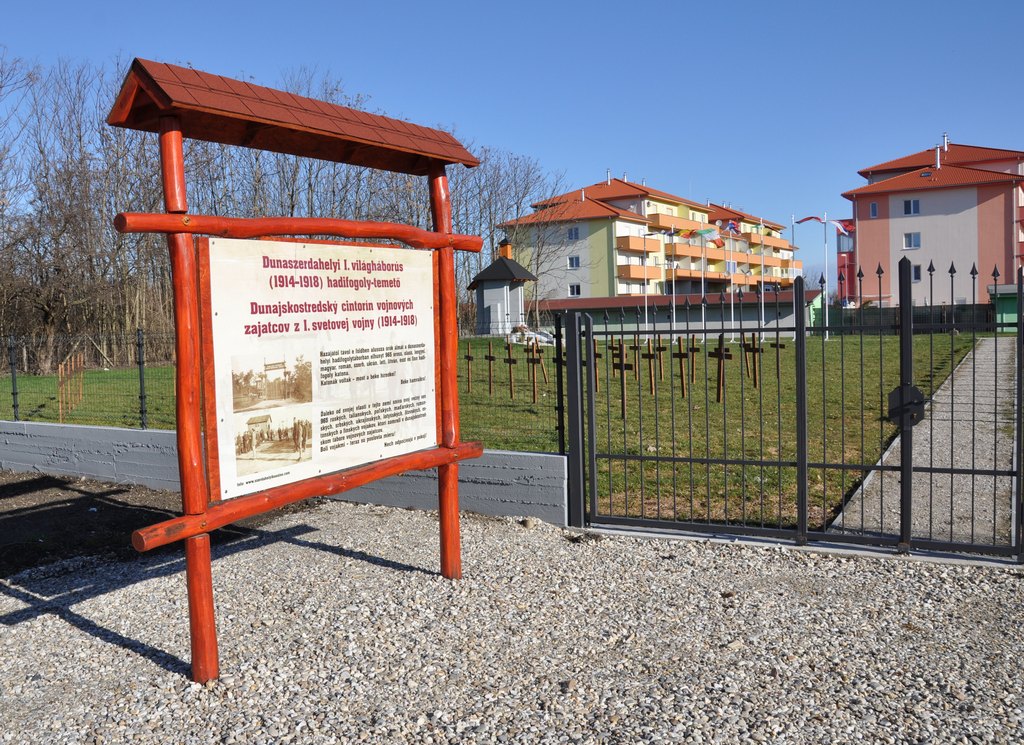



From September 1914 to November 1918, an imperial prisoner-of-war camp operated in Dunajská Streda, primarily housing Russian prisoners. In Réni, near Malý Blahov, a separate camp was established for Italian officers.
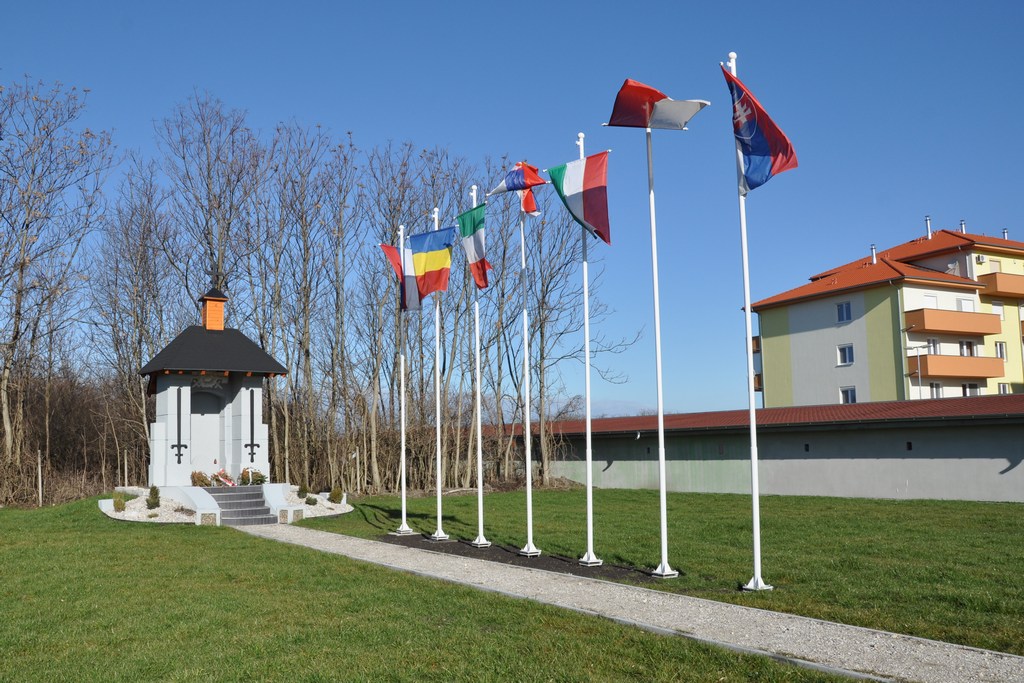
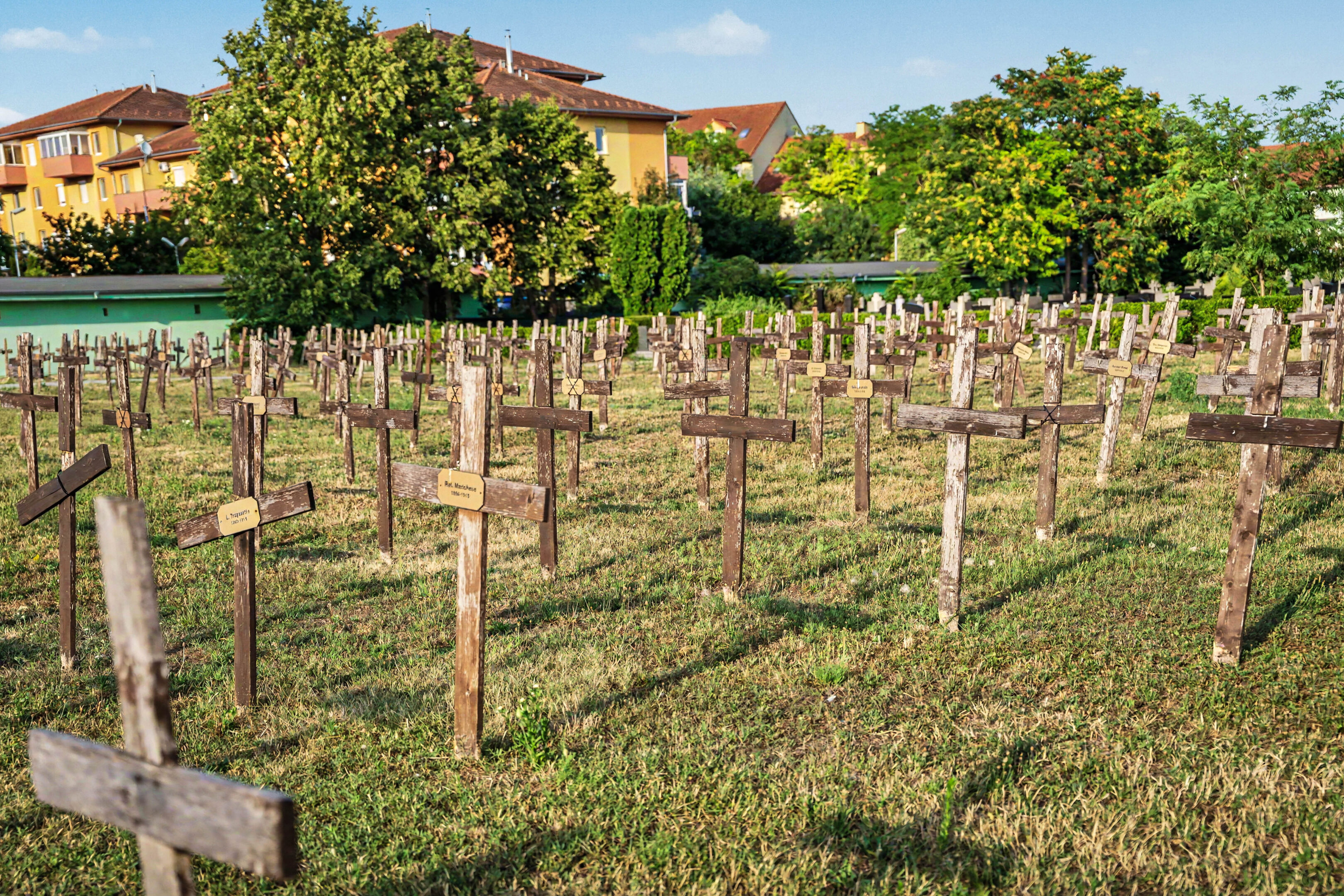
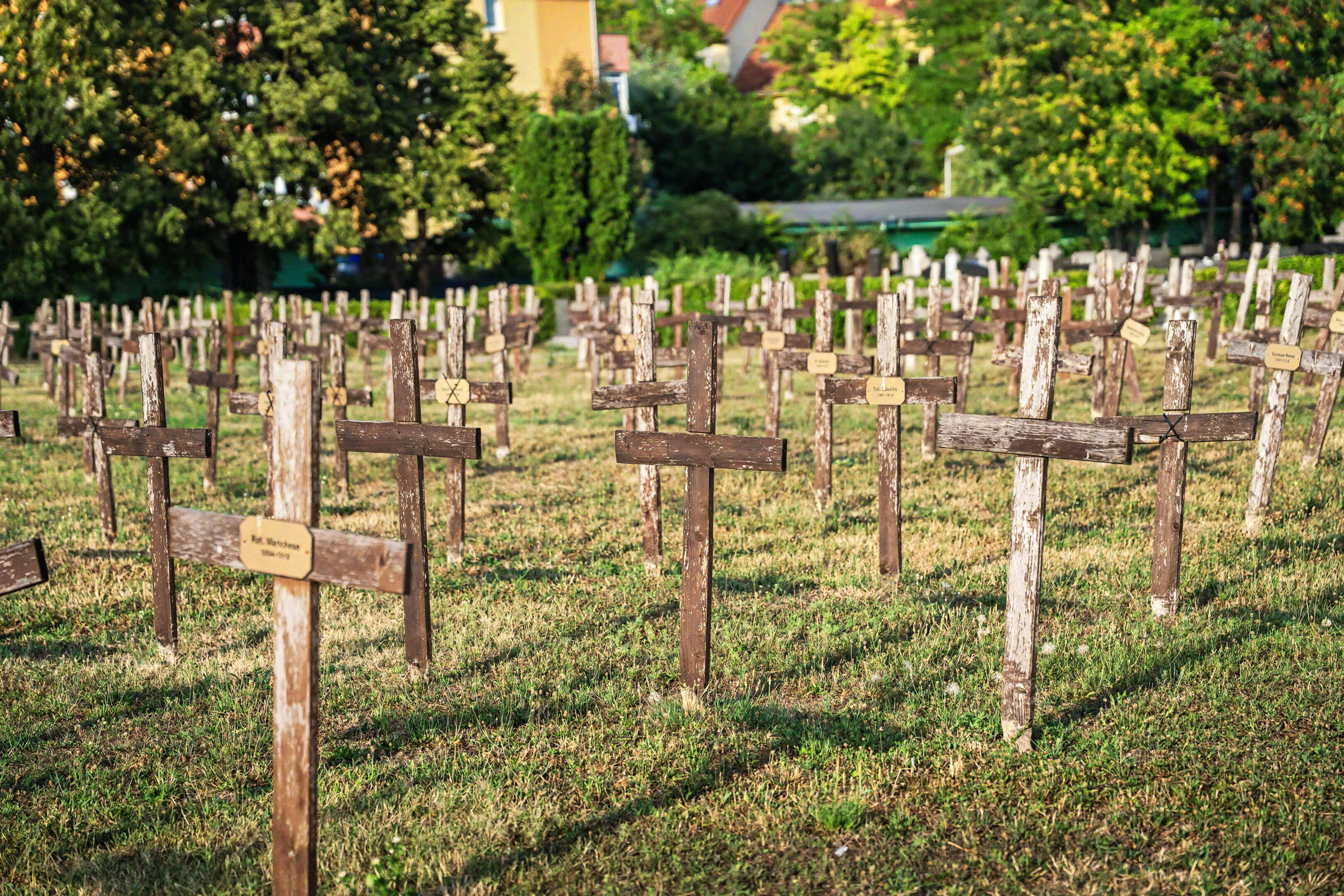
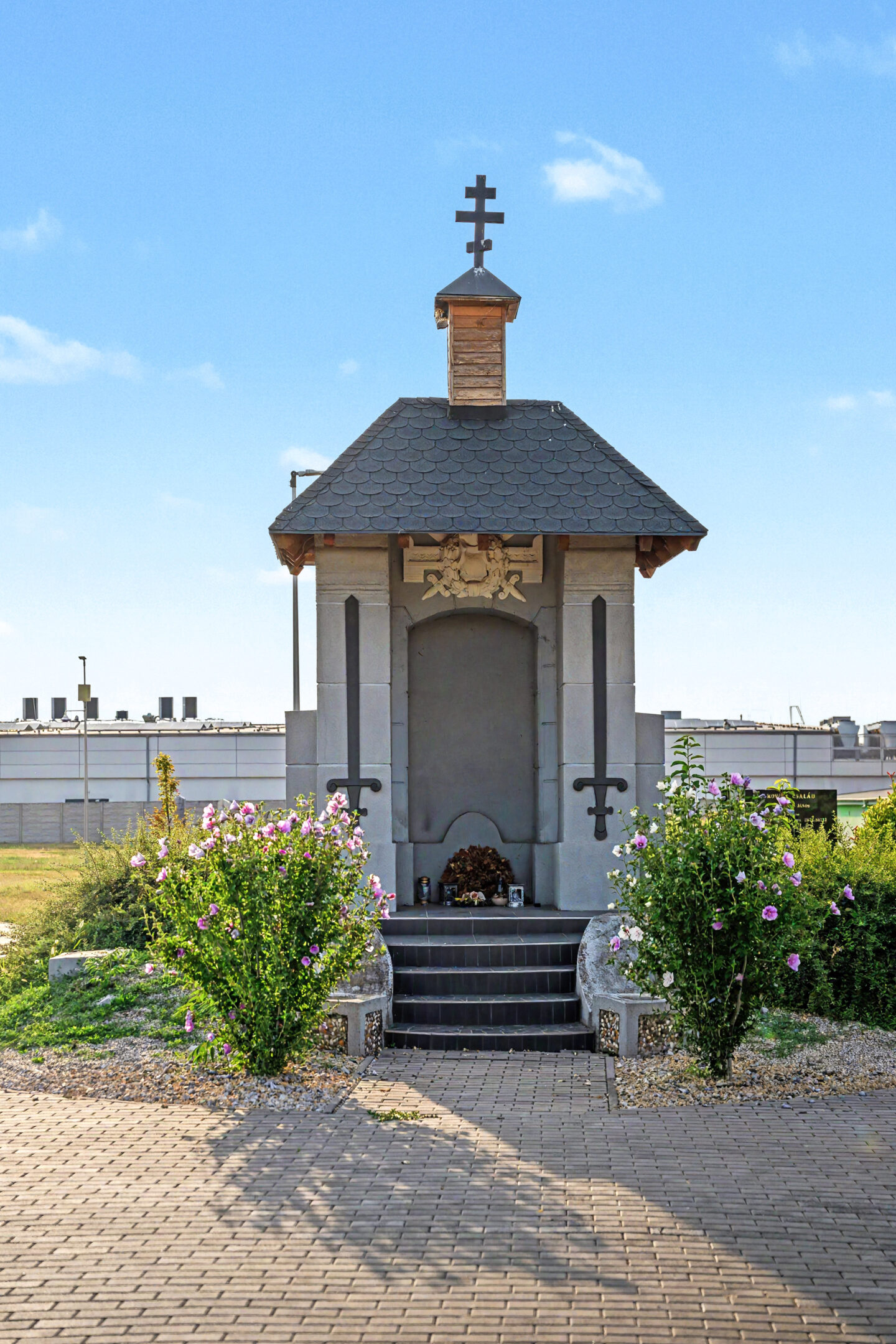
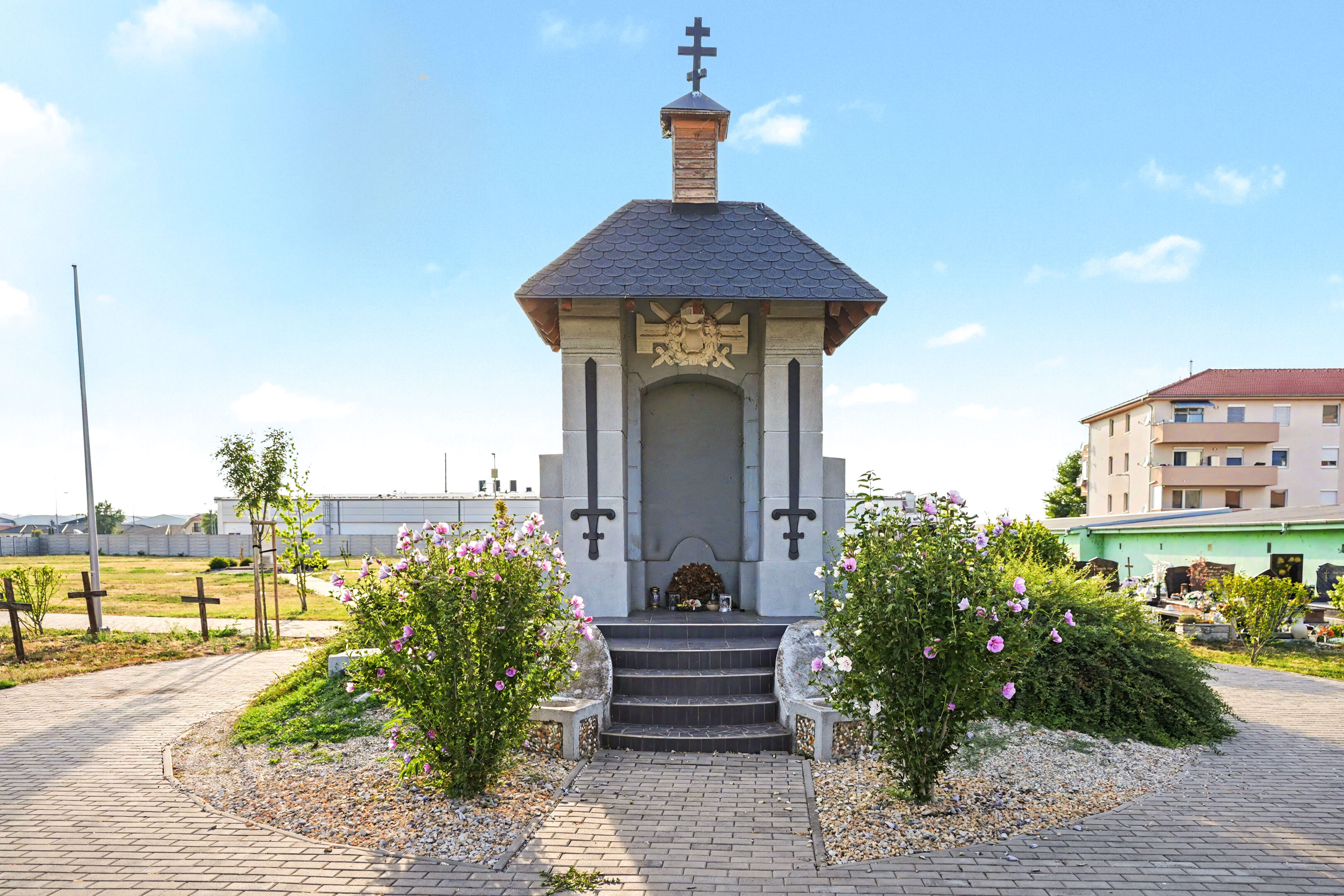
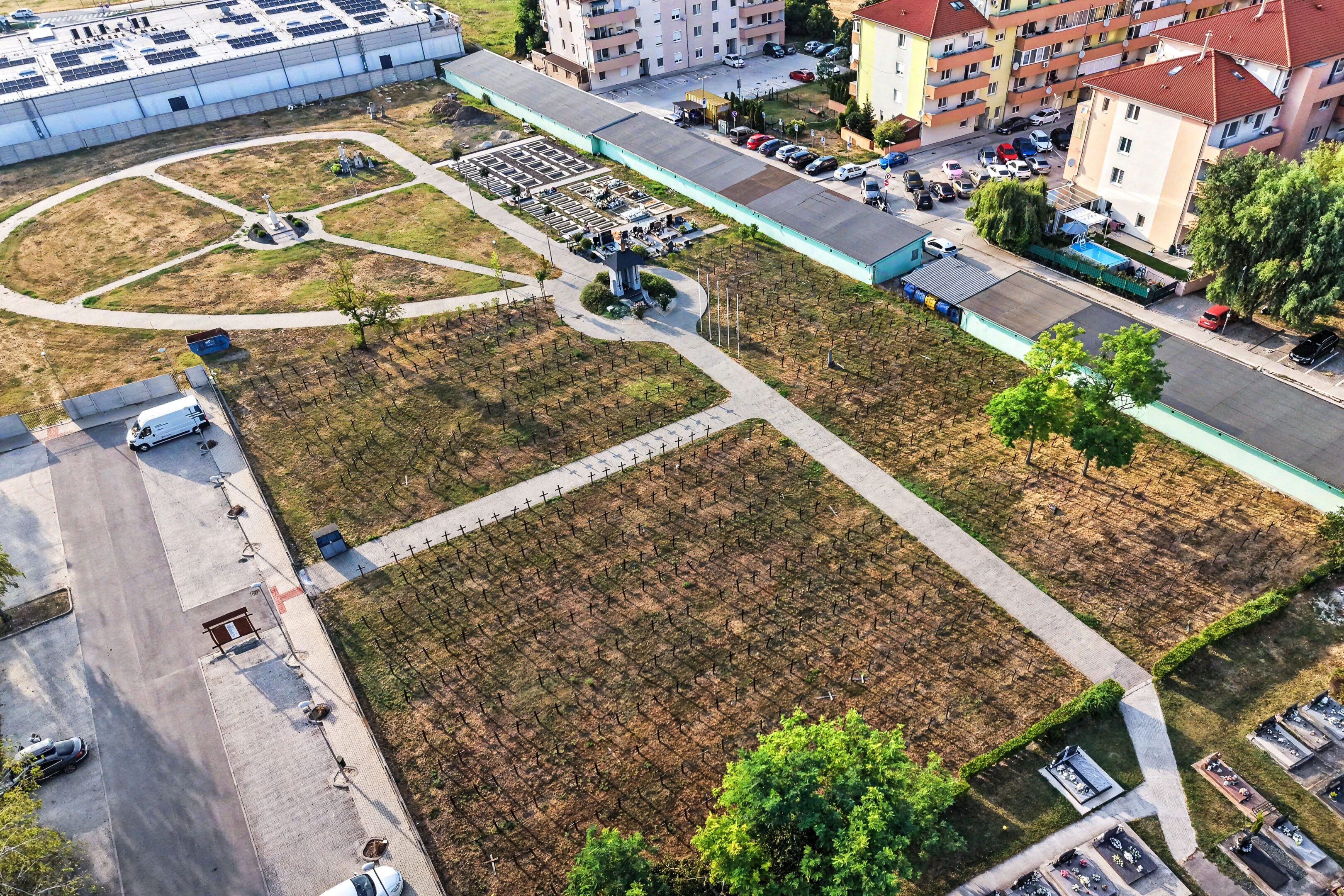
Shortly after the arrival of prisoners, on 18 September 1914, the first case of cholera was recorded in the camp. Fortunately, thanks to strict measures imposed by the station commander, the epidemic did not spread beyond the camp, where several hundred prisoners died in a short time from cholera and dysentery. A military cemetery was established for them near the old Malý Blahov cemetery, where the prisoners themselves built a small Greek Catholic chapel. The entrance to the cemetery, through a large wooden gate from what is today the Malý Blahov road, bore the inscription: Russ. Kgf. Friedhof / Orosz Hadifogoly Temető.
During the camp’s existence, it was struck by numerous epidemics; in addition to cholera and dysentery, other contagious diseases such as typhus spread, and the famine of 1917–1918 caused further suffering.
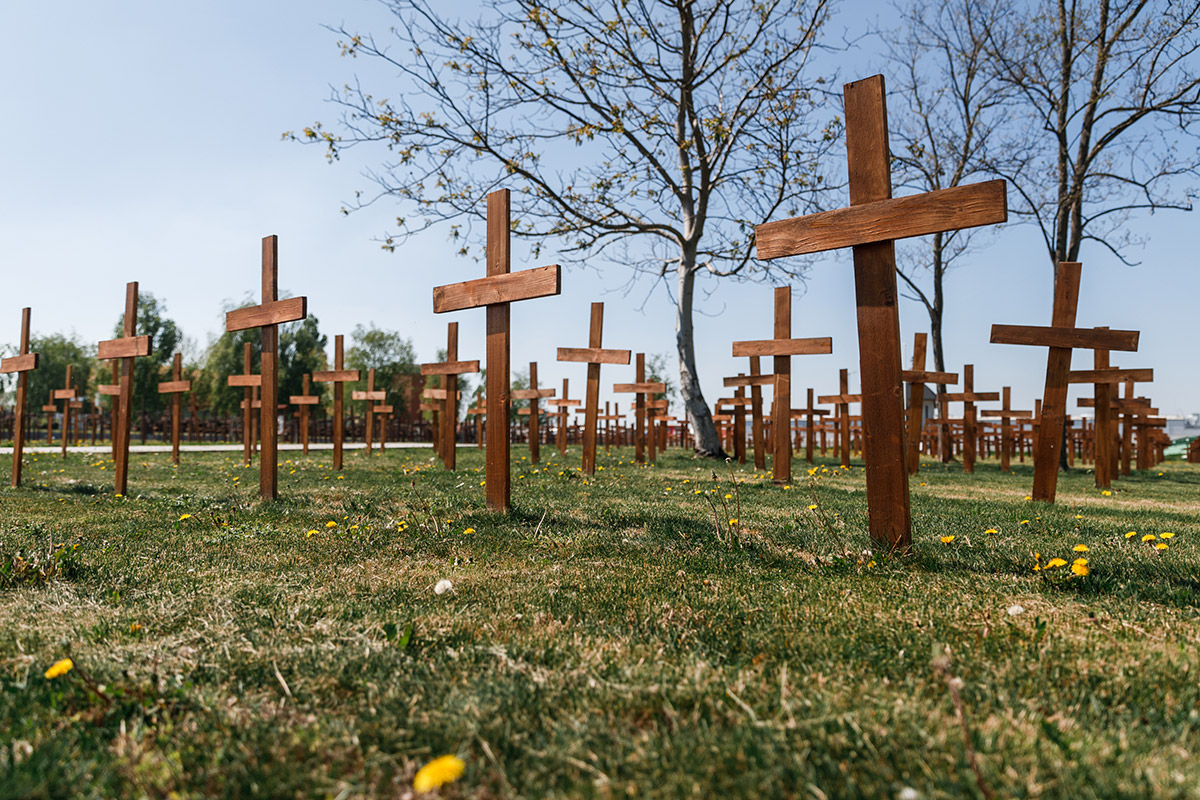
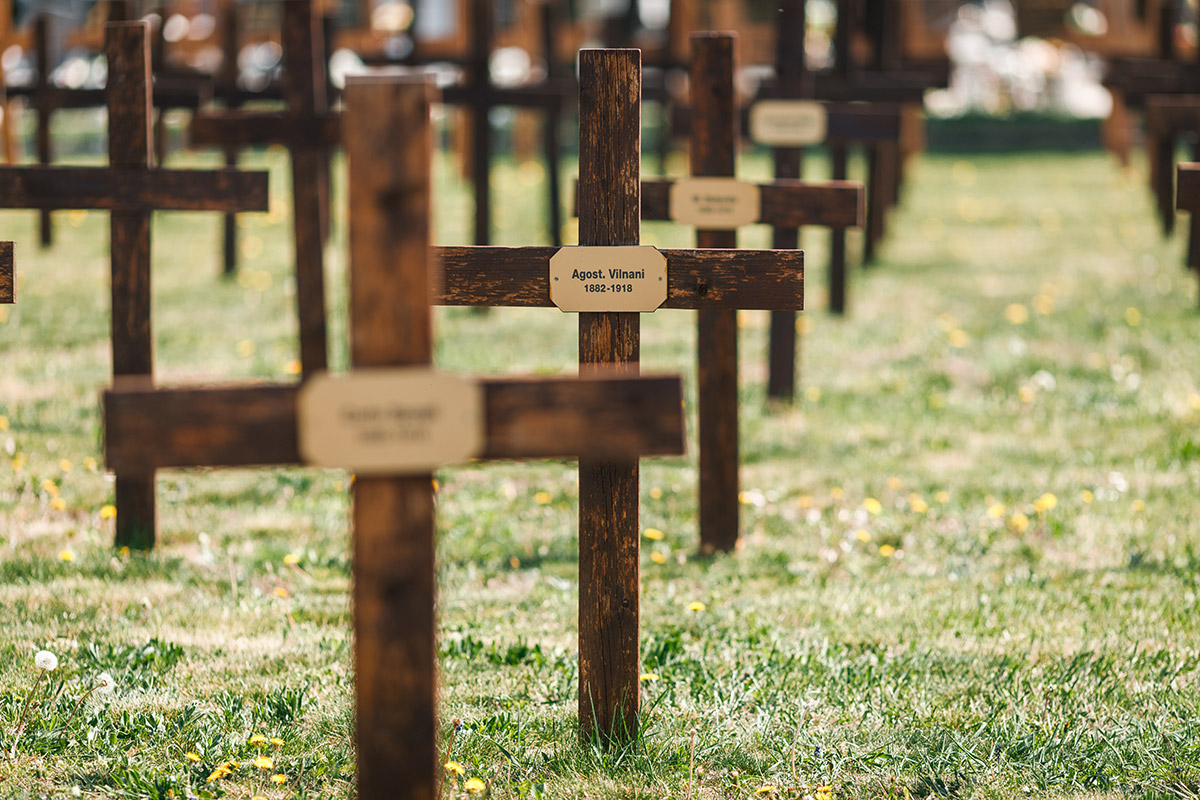
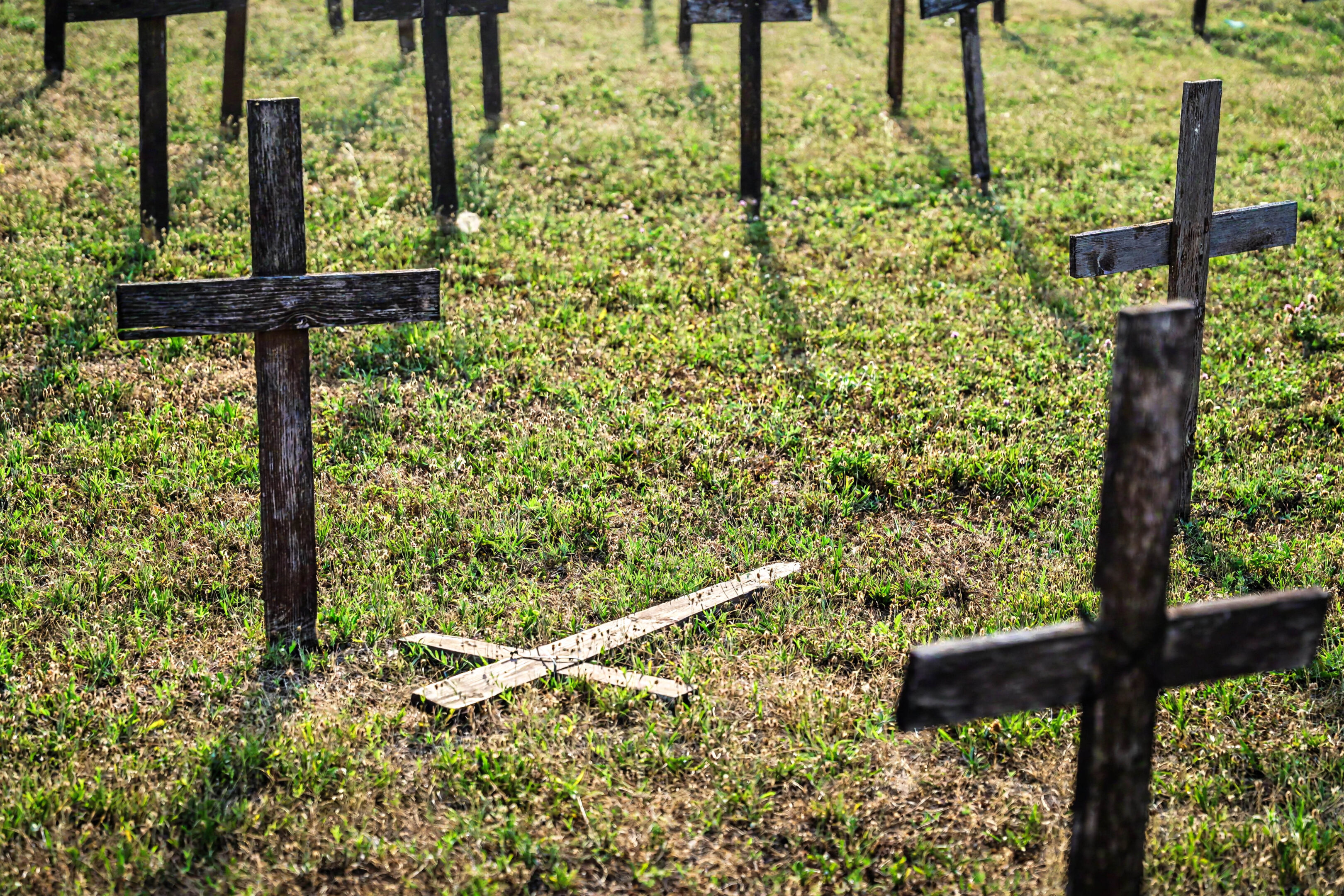
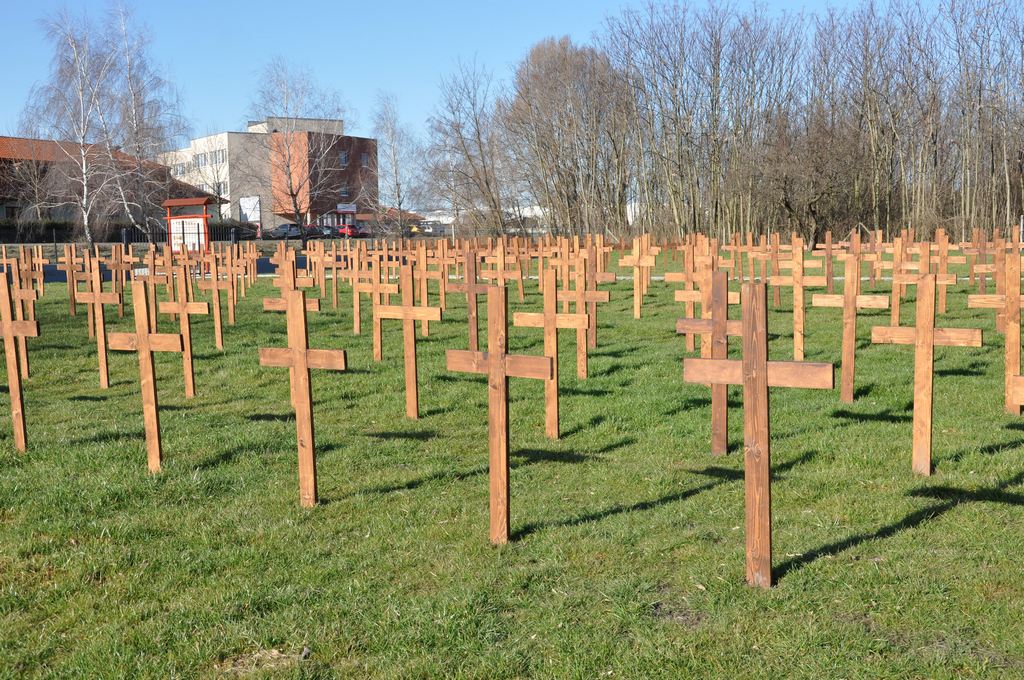
According to archival records, between 1914 and 1918, 965 prisoners of war were buried in the military cemetery, including Russians, Ukrainians, Italians, Poles, Hungarians, Romanians, Serbs, Latvians, Lithuanians, Estonians, and Finns. After the armistice in 1918, the cemetery, which had been maintained until then, came under the care of military authorities, then local residents and scouts, and eventually the city assumed responsibility for its maintenance. In 1938, the Hungarian Ministry of Defence took over its care. On 1 January 1951, the Czechoslovak Ministry of the Interior assigned the Municipal National Committee the responsibility for maintaining the cemetery and restoring it to its original condition.
Over time, due to historical upheavals and neglect, the cemetery fell into disrepair and by the end of the 20th century had become an unkempt and undignified resting place for the soldiers. However, 2014 brought a significant historical turnaround, when the city of Dunajská Streda, the Csallóköz-Szerdahelyi Kaszinó 1860 Conservation Association, and local residents succeeded in restoring the cemetery and transforming it into a dignified memorial site.
Although the precise documentation of the soldiers buried there is still ongoing, on 11 November 2014, the memorial day marking the end of World War I, the cemetery was officially handed over to the cities of Dunajská Streda and Malý Blahov.
Galéria