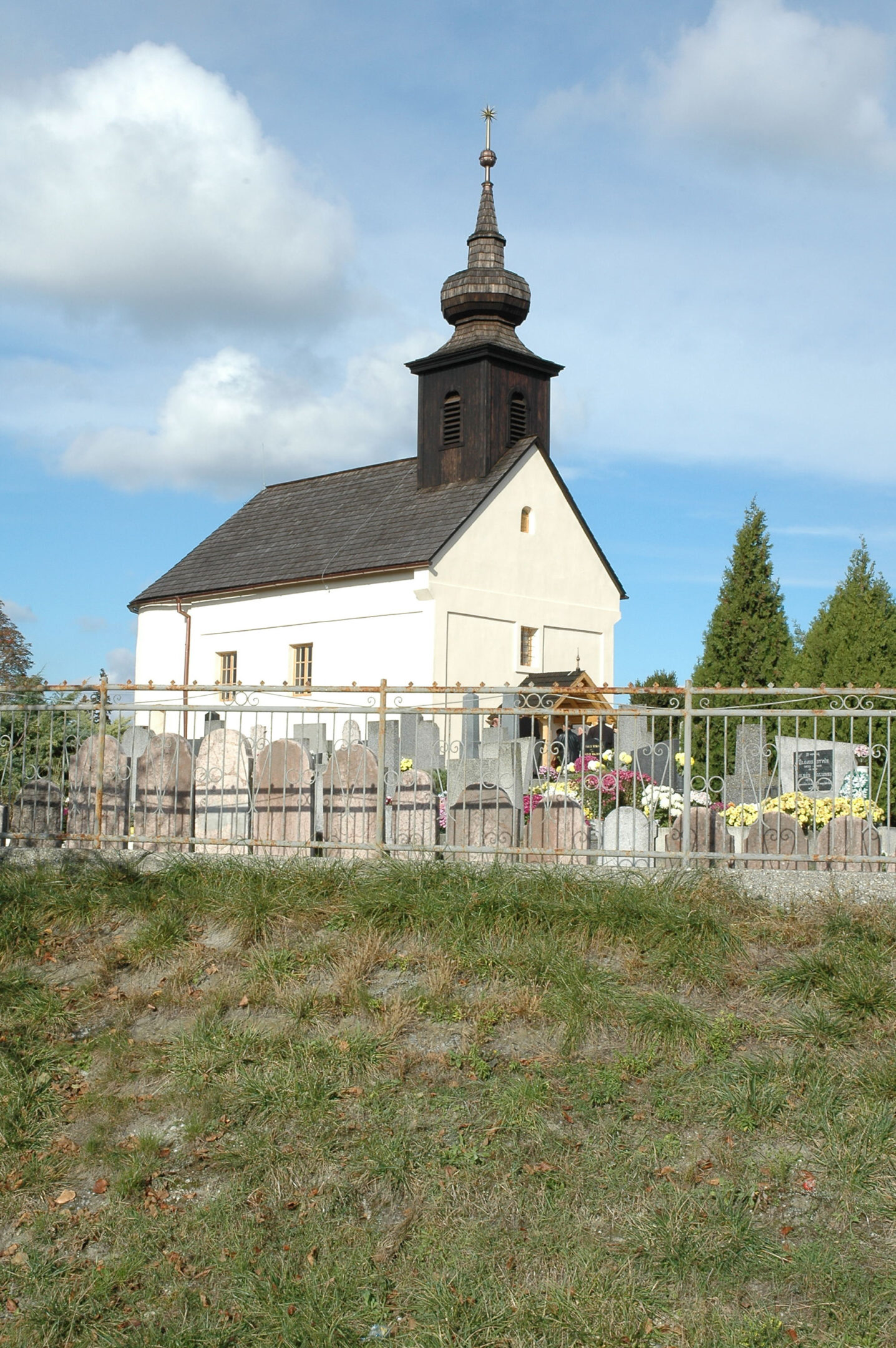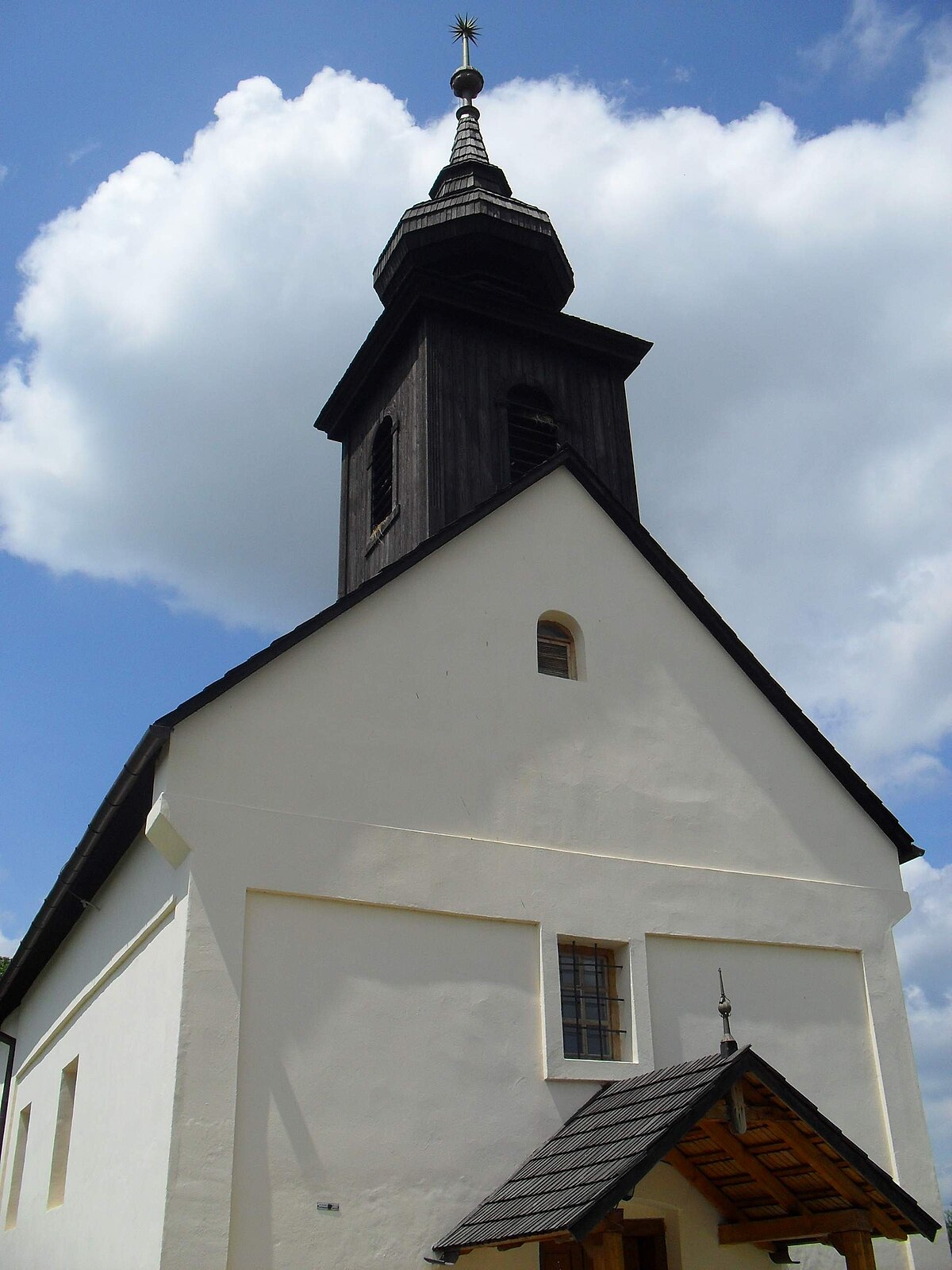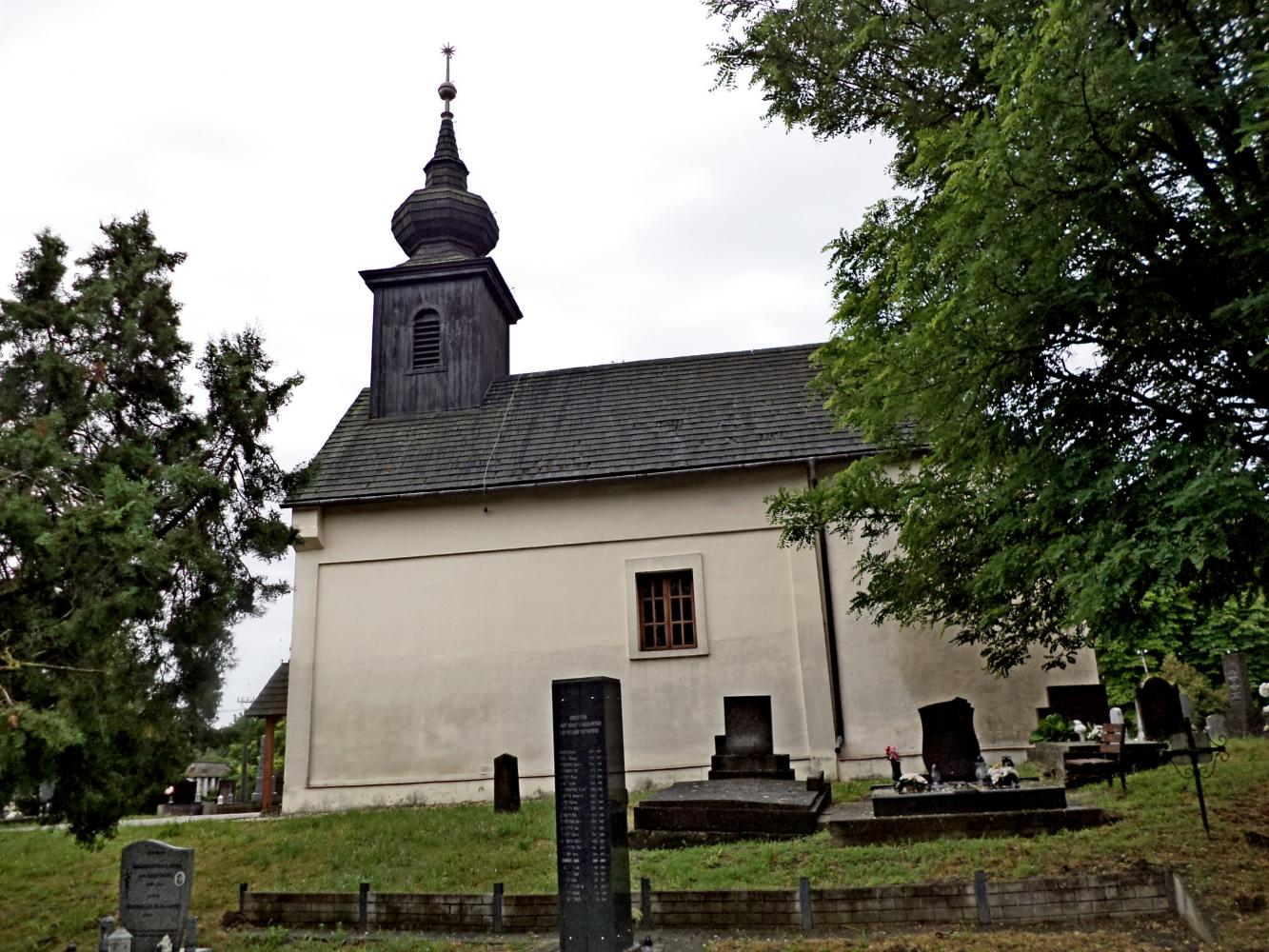



Dwindling, torn and torn by the storms of life, but uninterrupted to this day, one of the last remaining footholds of the Reformation is Kližská Nemá, which was founded as a mother church in the early 1530s. The reformation of Kližská Nemá can be dated back to the early 1530s through the preaching of the priest Bálint. He preached the Word of God on the estate of Bálint Török Enyingi in Gönyű, and it was through him that the doctrines of the Reformation took root in Kližská Nemá. There are two theories about the origin of the Reformed Church in Kolozsnéma. The church could have been a Turkish mosque or a Catholic chapel. It is more likely, however, that the church is the ‘tower of the Kolosfi family castle’, which was built in 1375, in the time of Louis the Great. After the destruction of the Kolosfi castle, the church was built on its site, under which the Kolosfi tomb can still be found today. A Reformed priest named Kardoss is buried in the tomb of the Kolossians. The sunwest semicircular part of the Reformed Church in Kližská Nemá, which still exists today, has been used for Reformed worship since the establishment of the Reformed Church in Kližská Nemá.
The church was built in the Romanesque style in the first half of the 13th century and was originally a round church. Indirect evidence of this is the fact that the nave of the present church is oriented eastwards, rather than the sanctuary. This may have been because the small apse of the rotunda was originally on the east side, and when it was rebuilt it was demolished and the nave was built here. We know of several examples of this type of conversion of rotundas. The present sanctuary of the church (the nave of the original circular church) is indeed circular.
Galéria