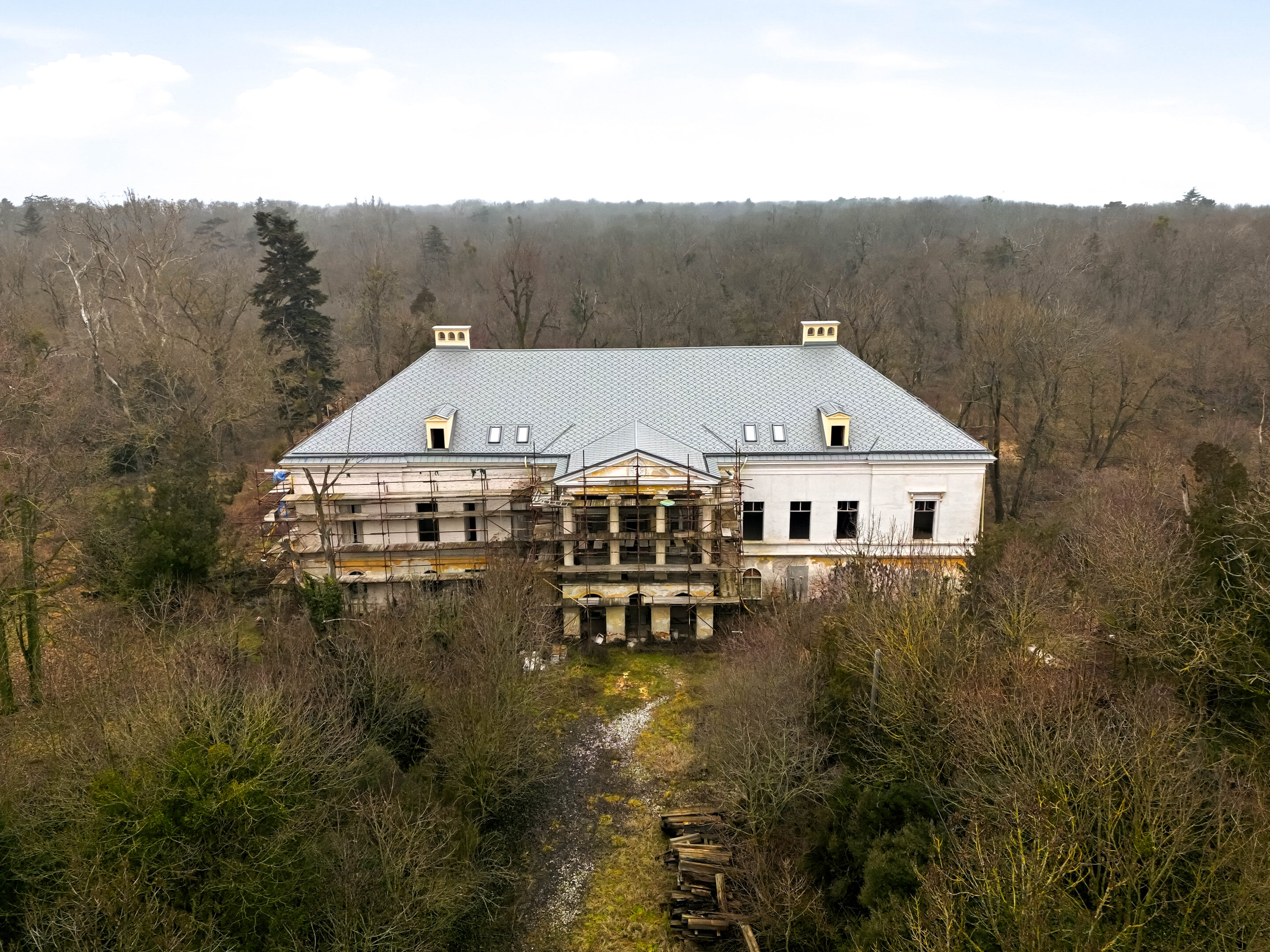



The village Hubice was first mentioned in 1293. Parts of the land belonged to several noble families; it was the ancestral seat of the Gombay family, who owned a fortified manor here. In 1553, it was held by the Aranyossy, Csorba, Zomoro, Molnár, and Beely families. In the 17th century, the majority of the estate passed to Archbishop Szelepcsényi, and until the 20th century, it was owned as a large estate by the Wiener-Welten family.
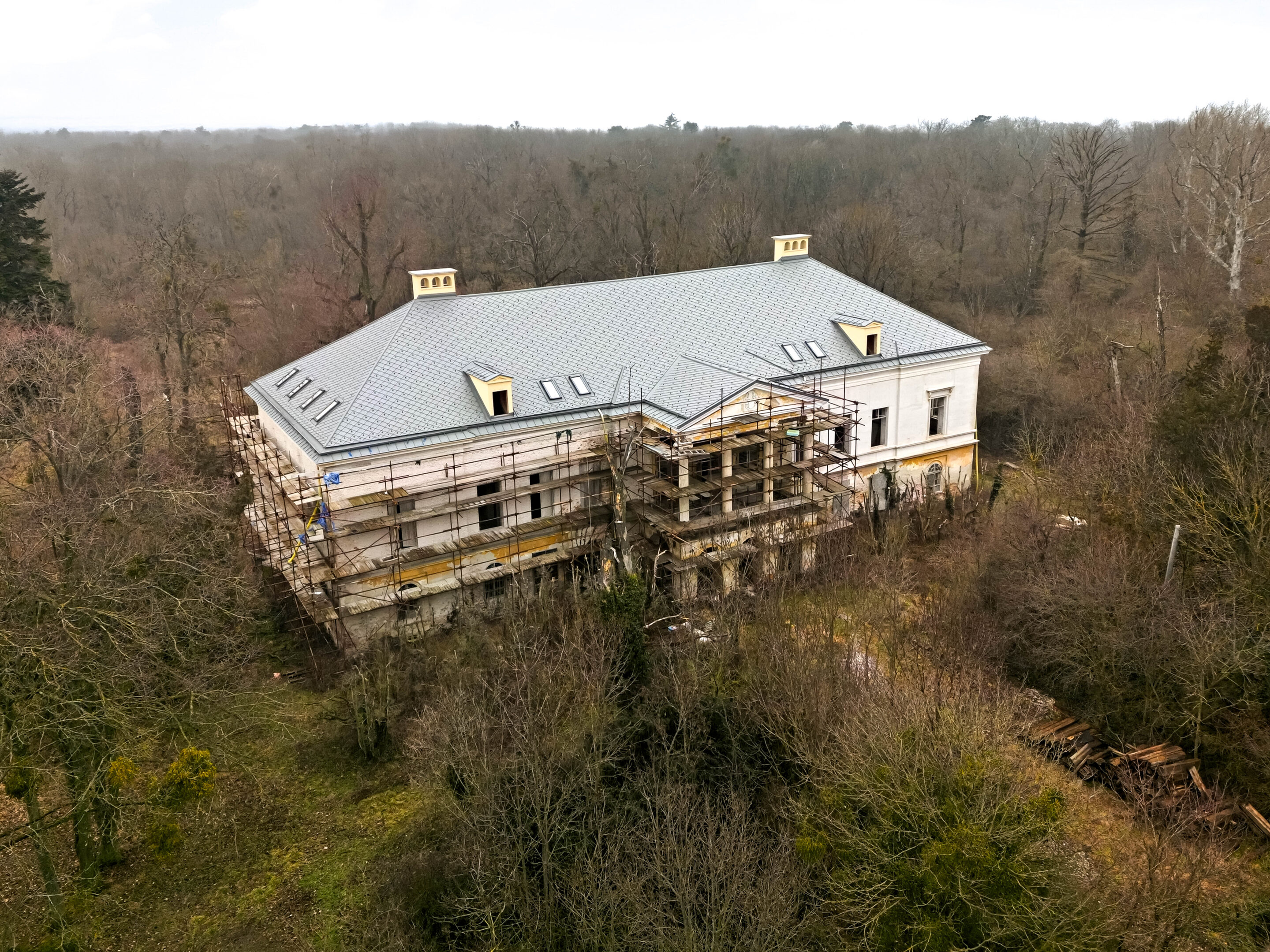
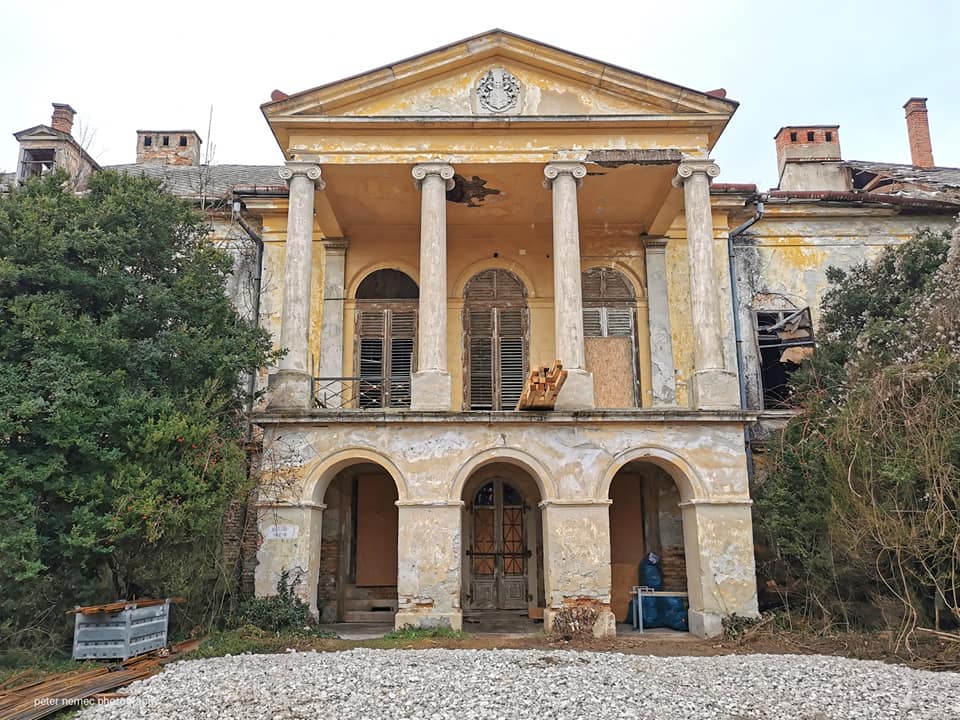
The older and larger manor house was built around 1830 in the Neoclassical style, likely on older Renaissance foundations. Already in the 17th century, Juraj Szelepcsényi, the Archbishop of Esztergom, established a Dutch-style cloth manufactory in the original building. The family of Knight Rudolf Wiener-Welten resided in the manors until 1948. This extensive two-story rectangular building is situated within an English landscape park.
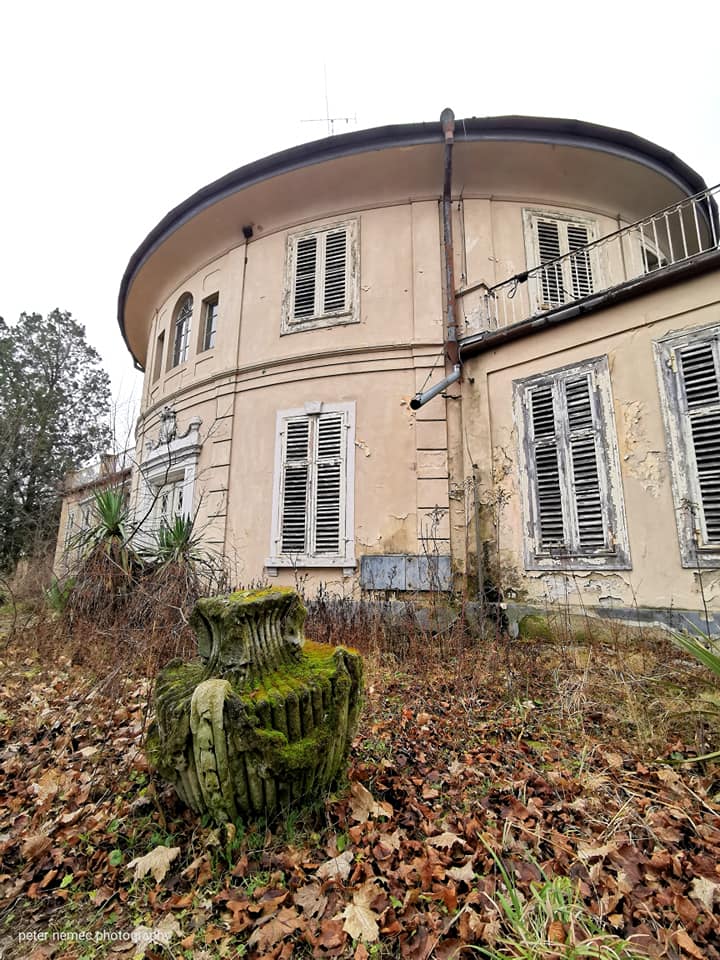
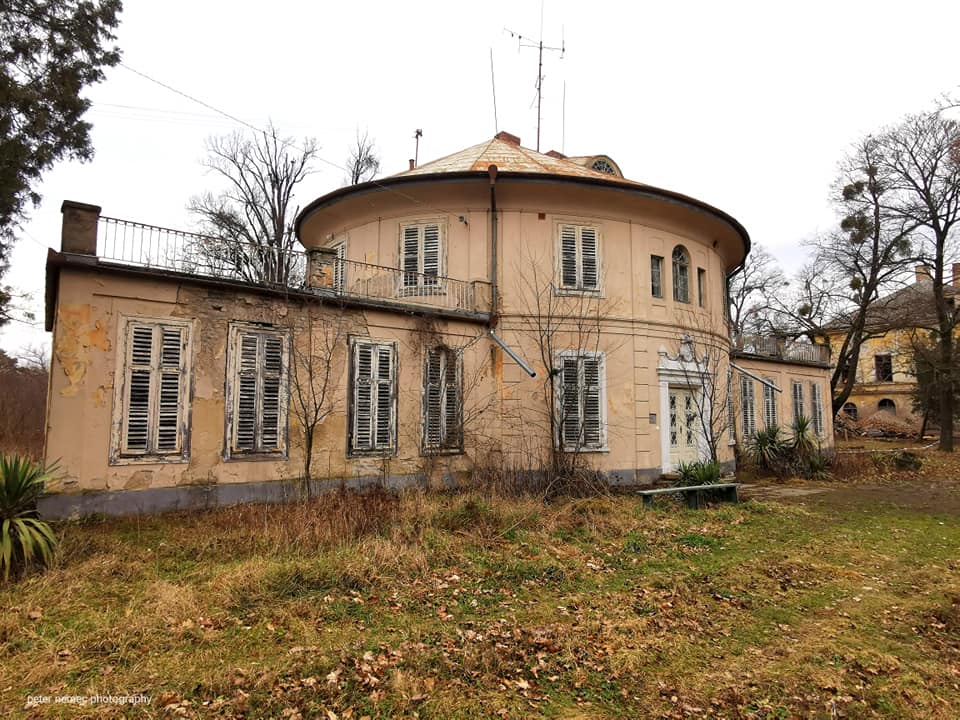
The smaller and younger manor house was built in the first third of the 19th century in the Neoclassical style. It is better preserved than the larger manor and was created by reconstructing the original stables intended for “parade” horses.
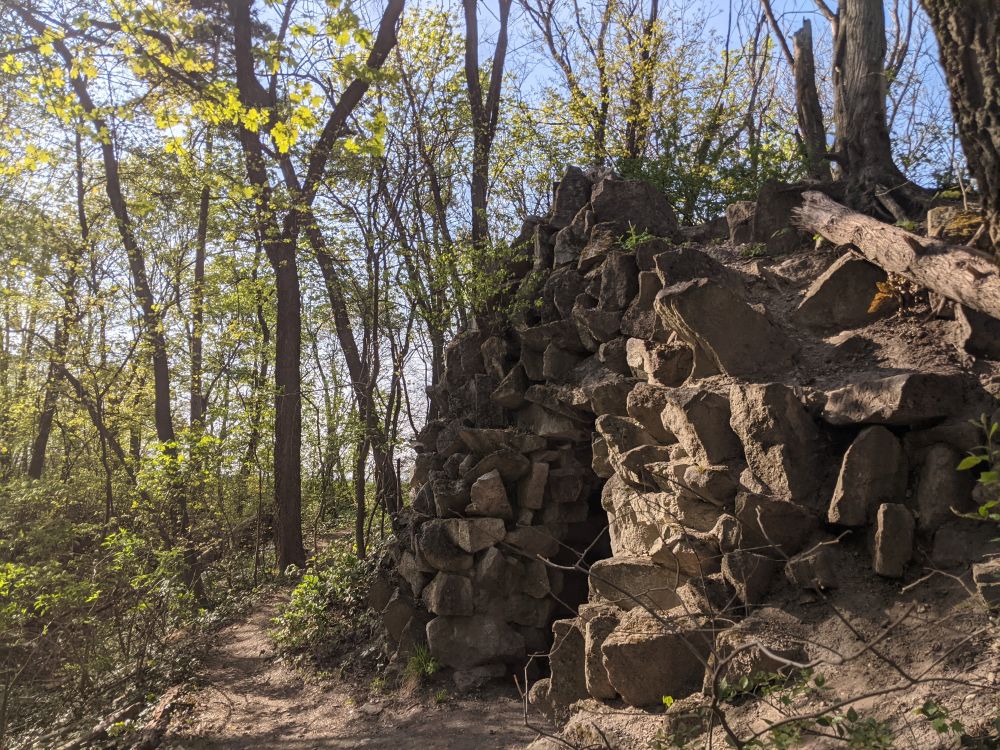
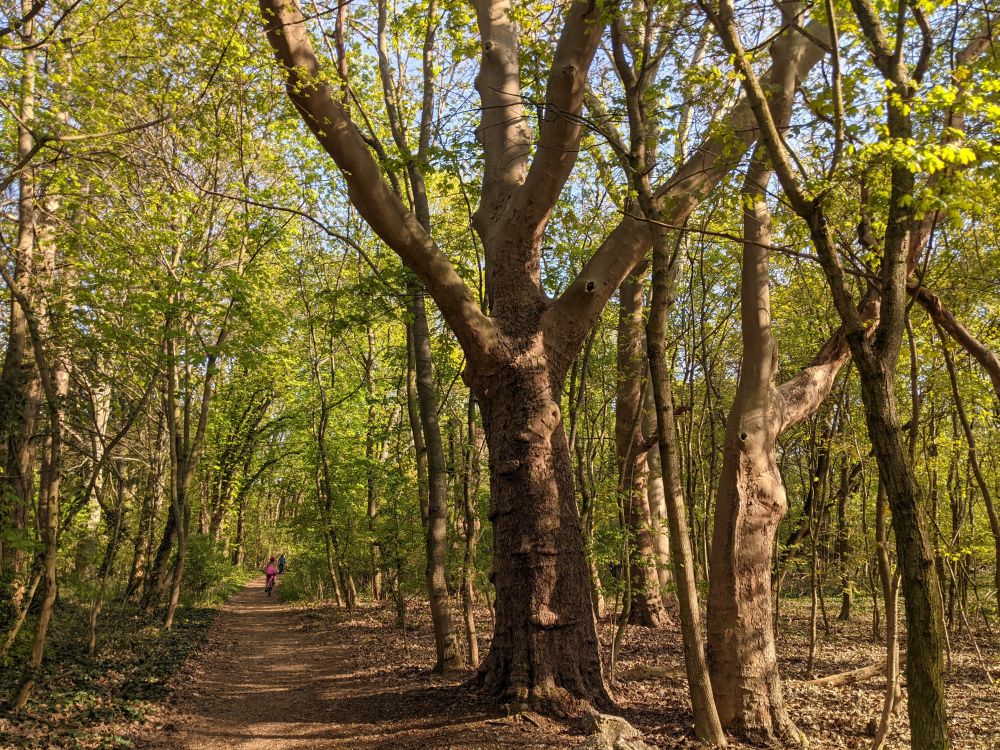
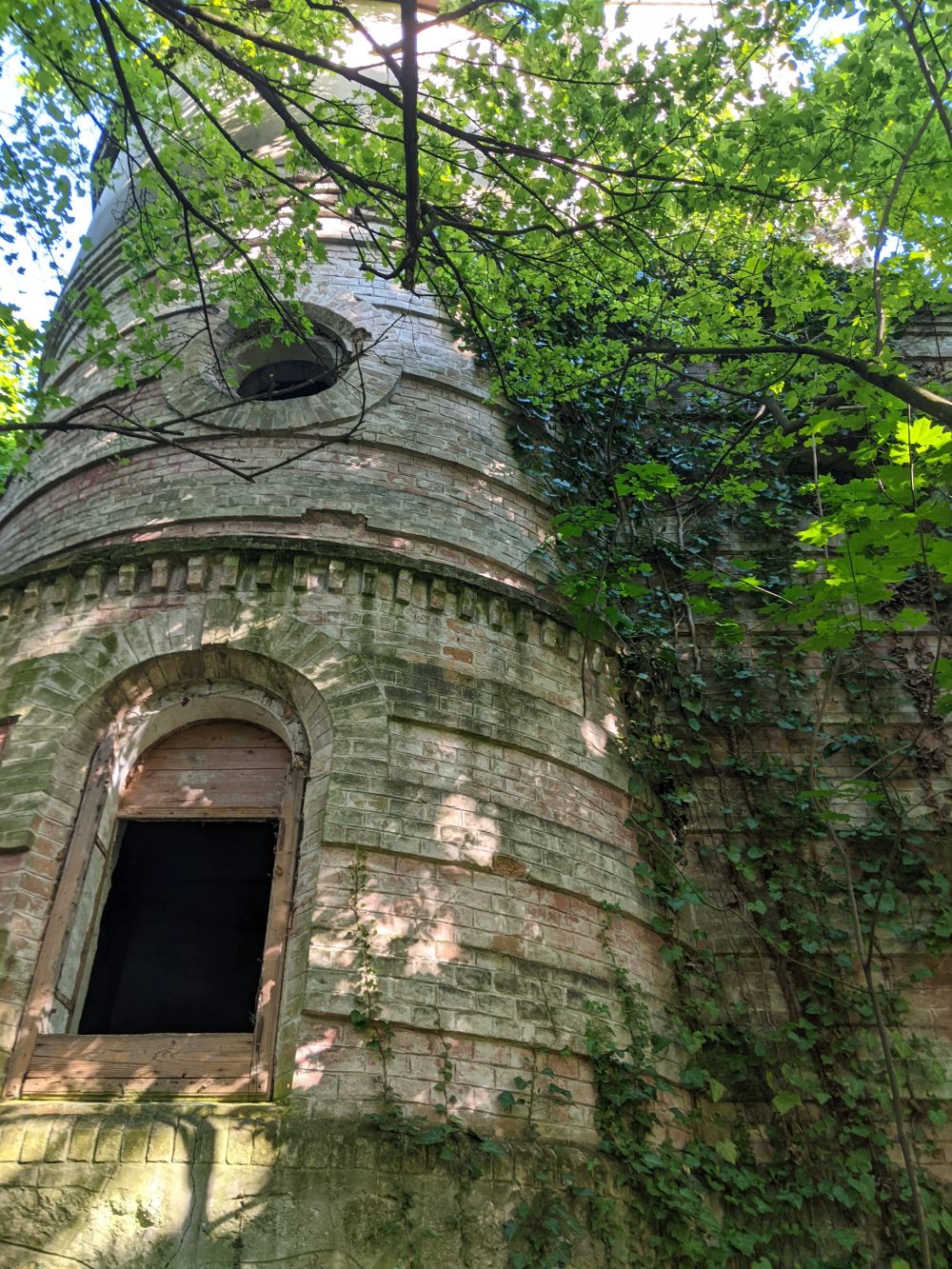
A 40-hectare park was established around the manors in the 1880s. It featured several attractions, such as a swan pond with a small island, a Neo-Gothic water tower with a musical clock on its shore, an artificial cave with a spring, the Wiener-Welten funeral chapel from the late 19th century, and the so-called “Alps” – a small coniferous forest at the upper end of the park. At the edge of the park stands the “Čakany Gate,” from which an alley-lined road led to the village of Čakany. Behind the manor, the stables for young representative horses still stand, bearing the marks of Neoclassical architecture. The manor is currently privately owned and the building is unused.
Galéria