The town of Dunajská Streda, located in the heart of the Žitný ostrov, is the most important cultural, administrative, and economic center of the district. Hearing its name, many football fans immediately envision their team, DAC, but this town offers much more in terms of attractions. Take a stroll through the center and get to know this dynamically developing town with 22,000 inhabitants. After your walk, catch a match and cheer for the team!
https://www.cultractive.eu/tura/72/adatlap
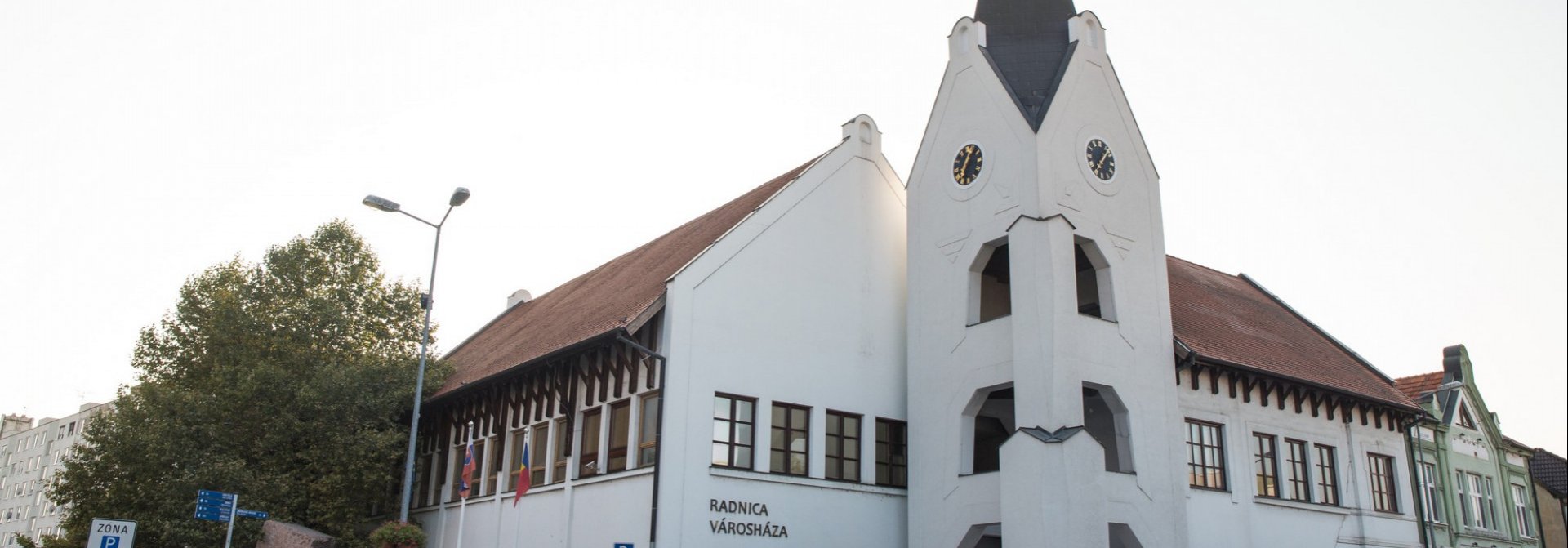
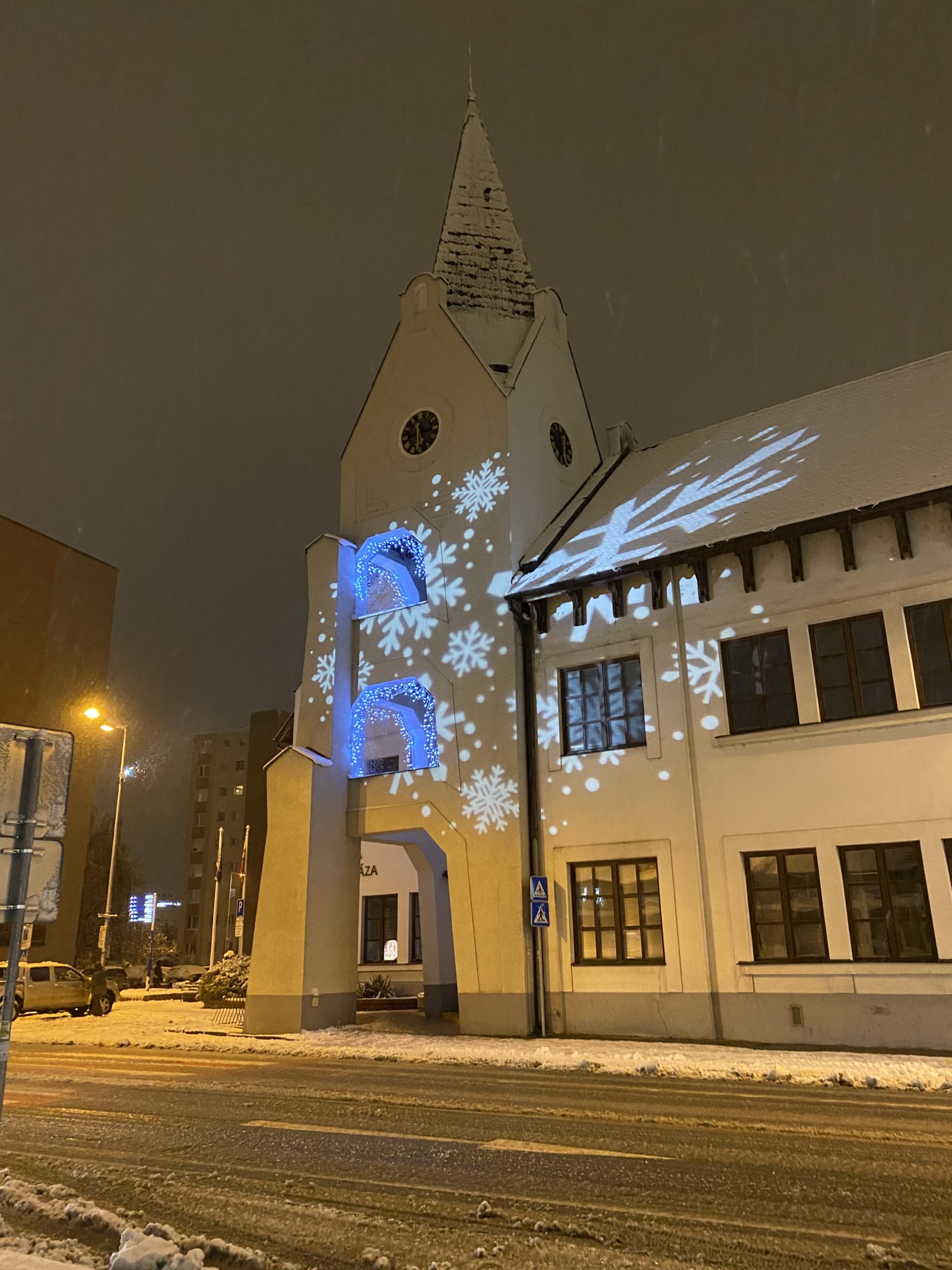
The multi-story building, which originally served as a café and hotel, was sold to the city administration in 1901 by its owner, Karol Pleyer. Over the decades, the town hall has undergone several transformations, the most notable of which was part of a larger renovation carried out from 1995 based on the plans of architect Imre Makovecza, during which a tower was built over its entrance. The renovated town hall quickly became a symbol of the town of Dunajská Streda. However, the renovated town hall is not the only work by architect Makovecza in Dunajská Streda. He also contributed to the design of Main Street and several shops around the church square. A memorial plaque at the entrance to the town hall commemorates the honorary citizen, Imre Makovecza, who significantly shaped the face of the town. Next to the town hall, the Memorial to the Victims of Dictatorships was ceremoniously unveiled on October 31, 2006.
The oldest historical and religious monument in the town. A wooden church stood on this site during the Árpád era, and the foundations of the current stone church were laid in 1329. The building underwent significant changes in 1518 (when it was expanded with a side aisle) and in 1742-43, when it was renovated in the Baroque style. The entire structure was renovated during this period, with the walls and tower raised, giving the church its current appearance. The main altar is adorned with a painting of the Assumption of the Virgin Mary, above which stands an equestrian statue of Saint George, the patron of the church. The side altars depict Saint Stephen and the Pietà. The crypt of the church houses the remains of the Kondé family from Pókatelek.
In October, a memorial to the victims of the Holocaust was unveiled in Dunajská Streda. Beneath the fragment of a stone tablet, which depicts the broken, flaming Ten Commandments, there are traces of the victims of the Holocaust.
http://emlekhelyek.csemadok.sk/emlekhelyek/memento/
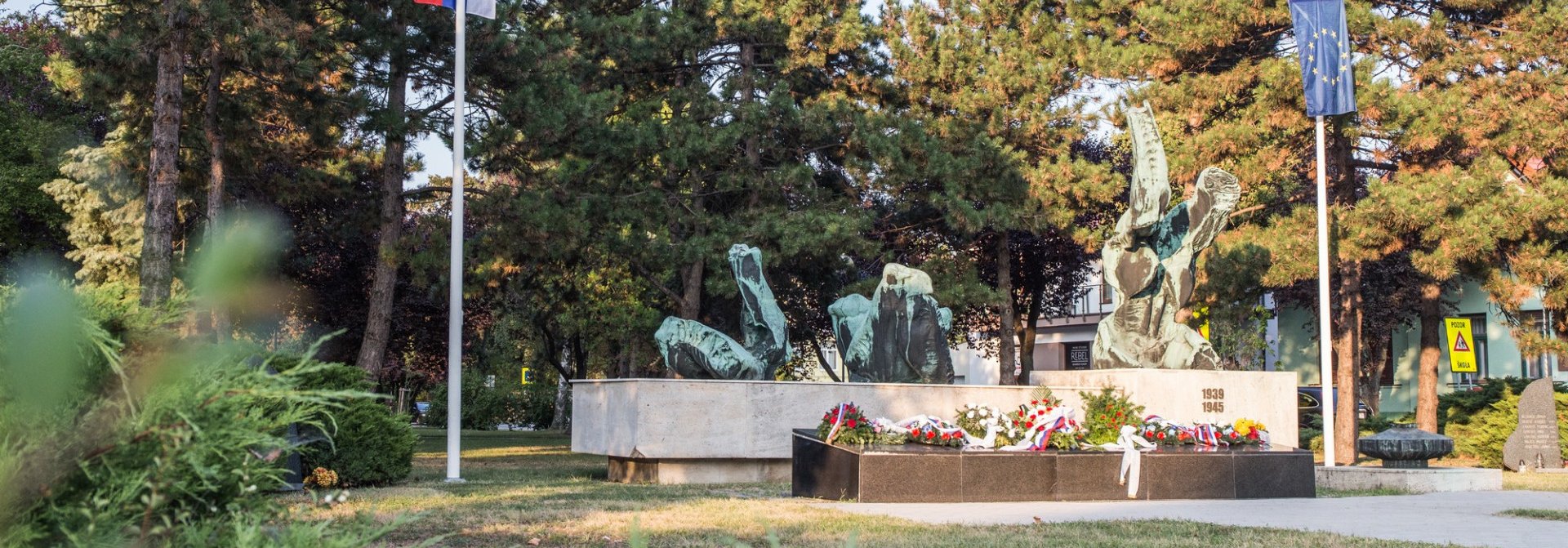
At the site of the current square, there was originally a lake surrounded by a row of thatched-roof houses. The lake gradually silted up, and the area became unused within the city until the end of the 1930s when a new park was built here. Today, the park features the Memorial to the Victims of Fascism and the Memorial to St. Stephen. In the square, there is the Martyrs' Monument, which was erected in 1971 at the location where the Hungarian flag originally stood. The statue is made of welded copper sheets, depicting human bones and serving as a reminder of the horrors of war.
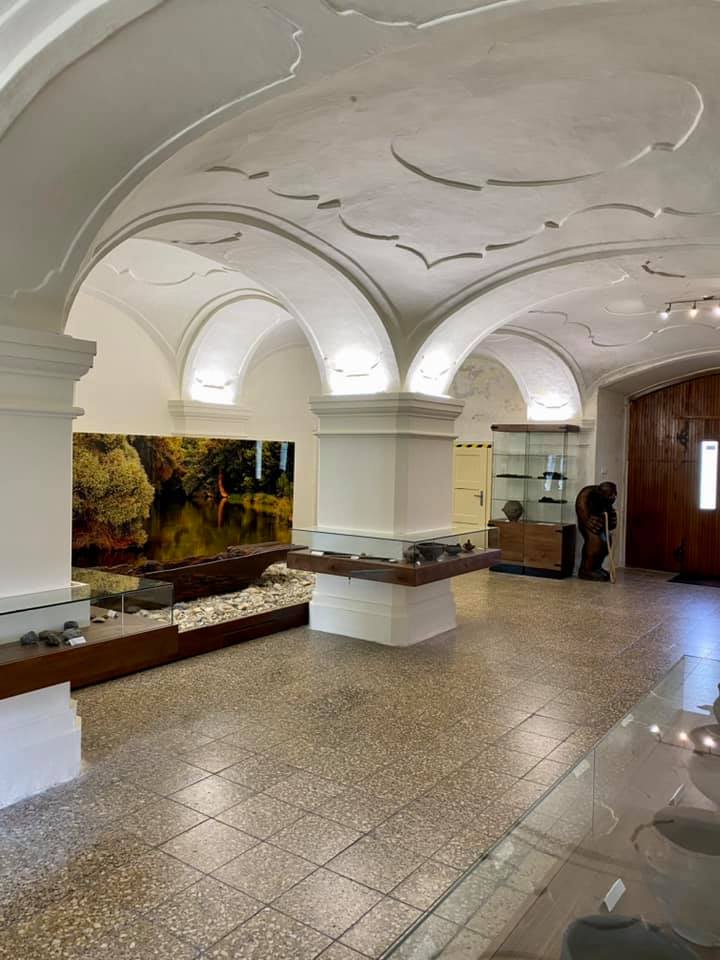
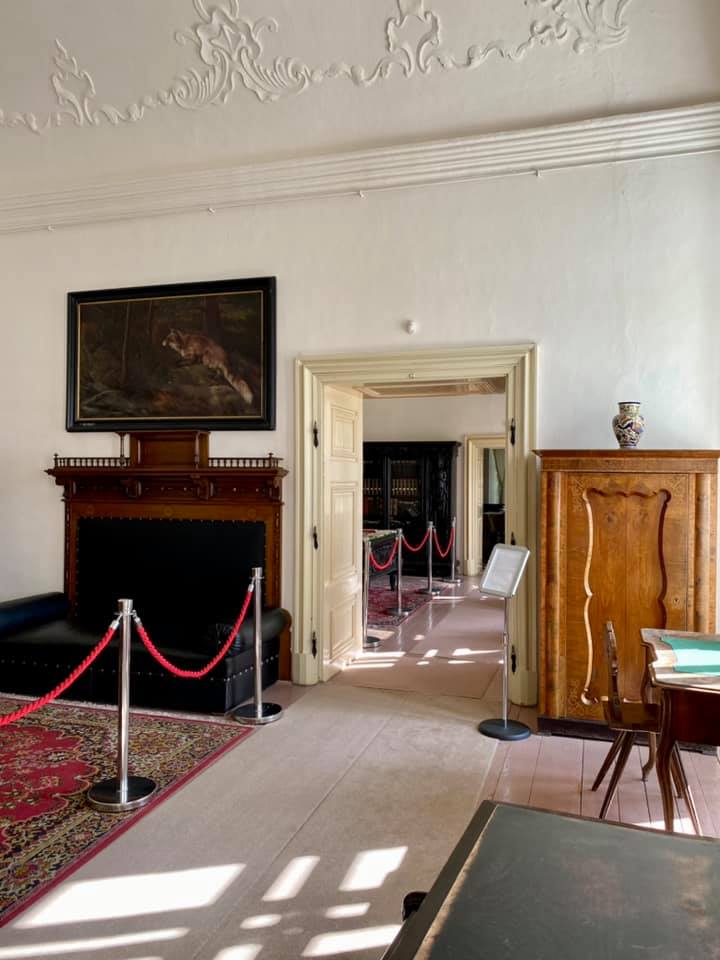
By the commission of Veszprém Bishop Márton Bíró Padányi, a spacious two-story manor, later known as the Yellow Mansion, was built for his brother István Bíró in the Dunajská Streda district of Pókatelek by 1753, which also included a large estate. Over time, the building became the property of the Kondé family from Pókatelek, who renovated the mansion according to their taste in the early 19th century. Currently, the Žitnoostrov Museum is housed in the mansion. Its permanent exhibition, which provides visitors with an authentic picture of the life of the region's inhabitants, consists of 17 thematic sections. Archaeological and paleontological finds are displayed on the ground floor, while the historical and ethnographic part of the exhibition is located upstairs.