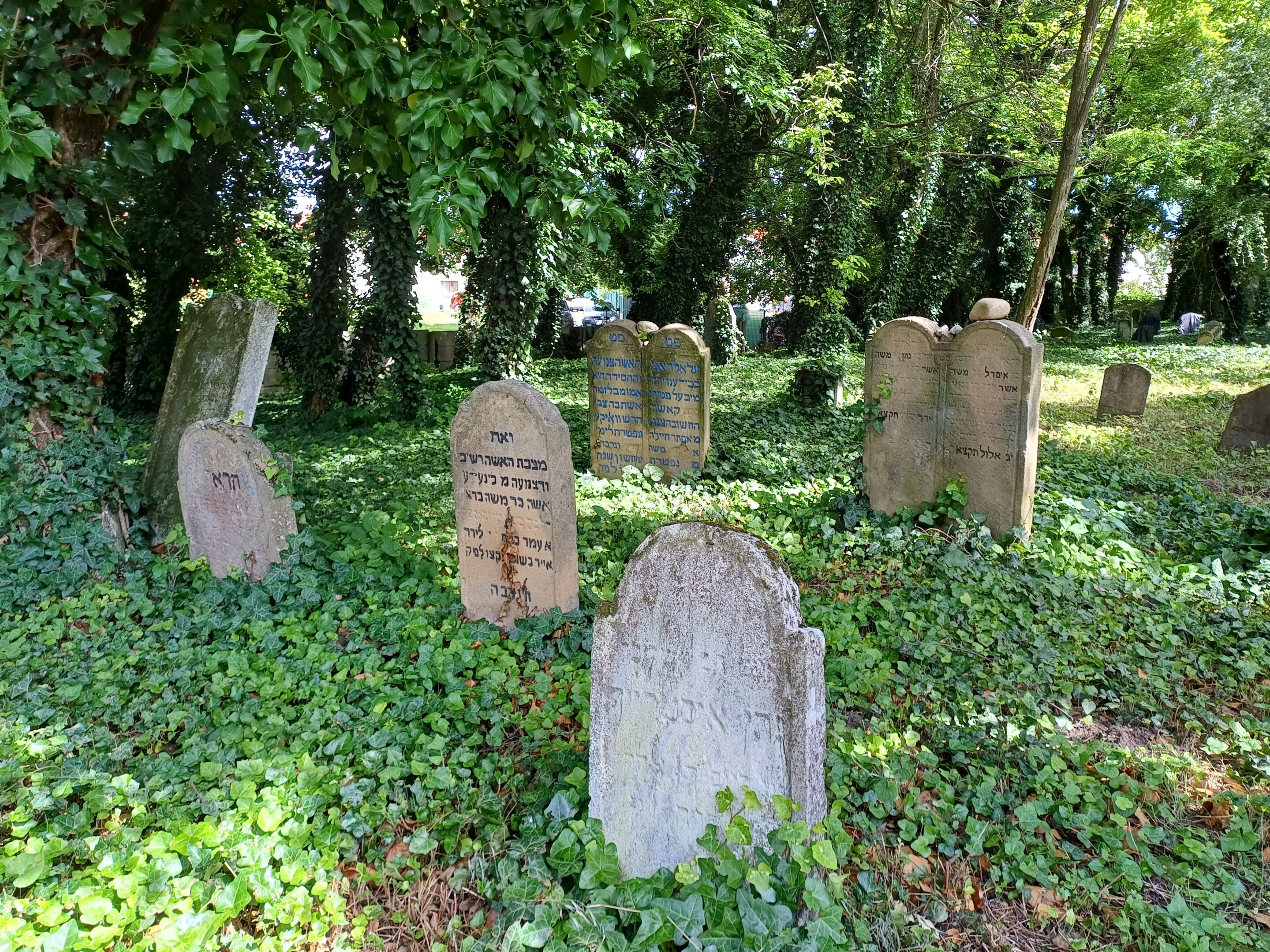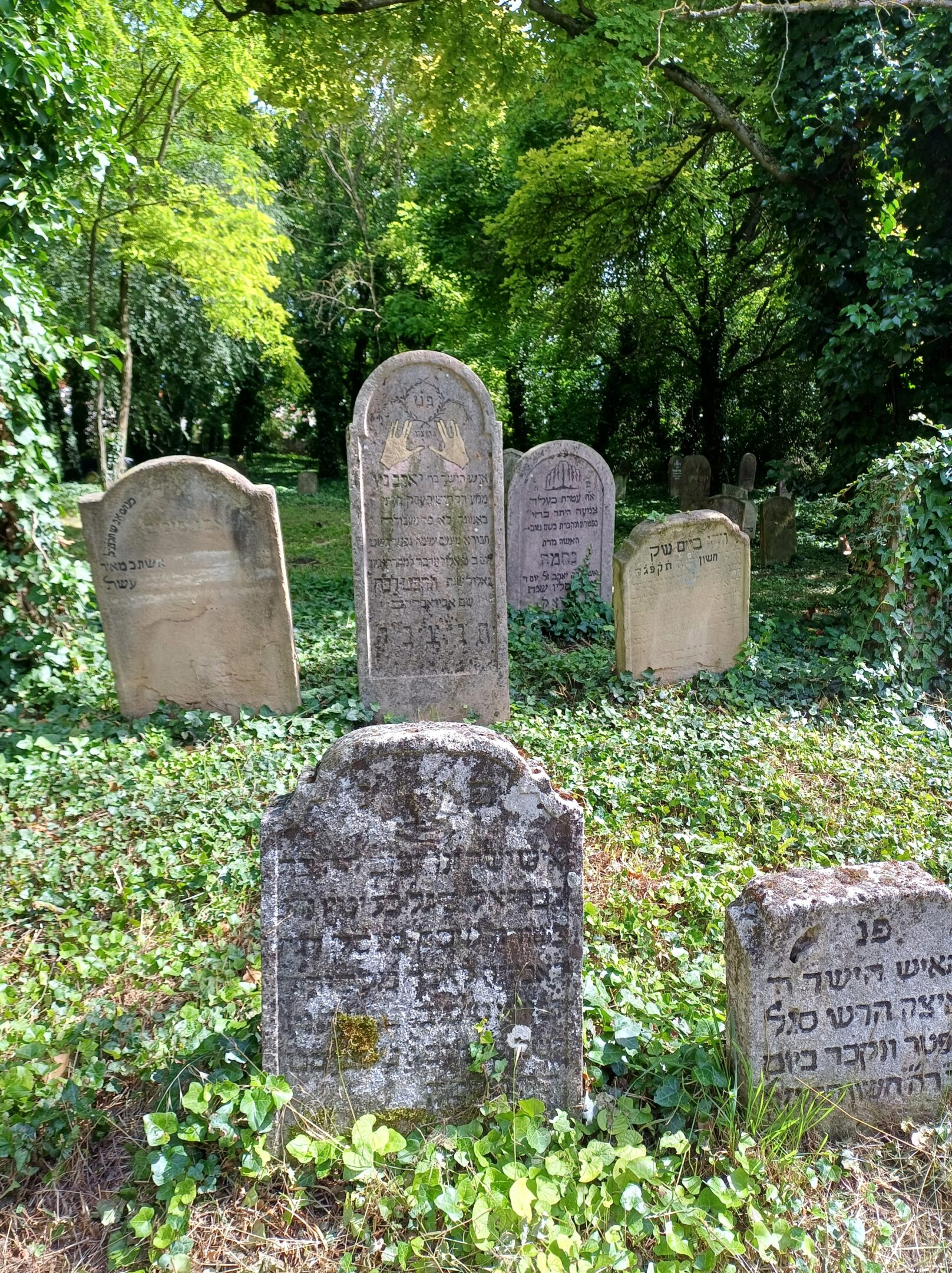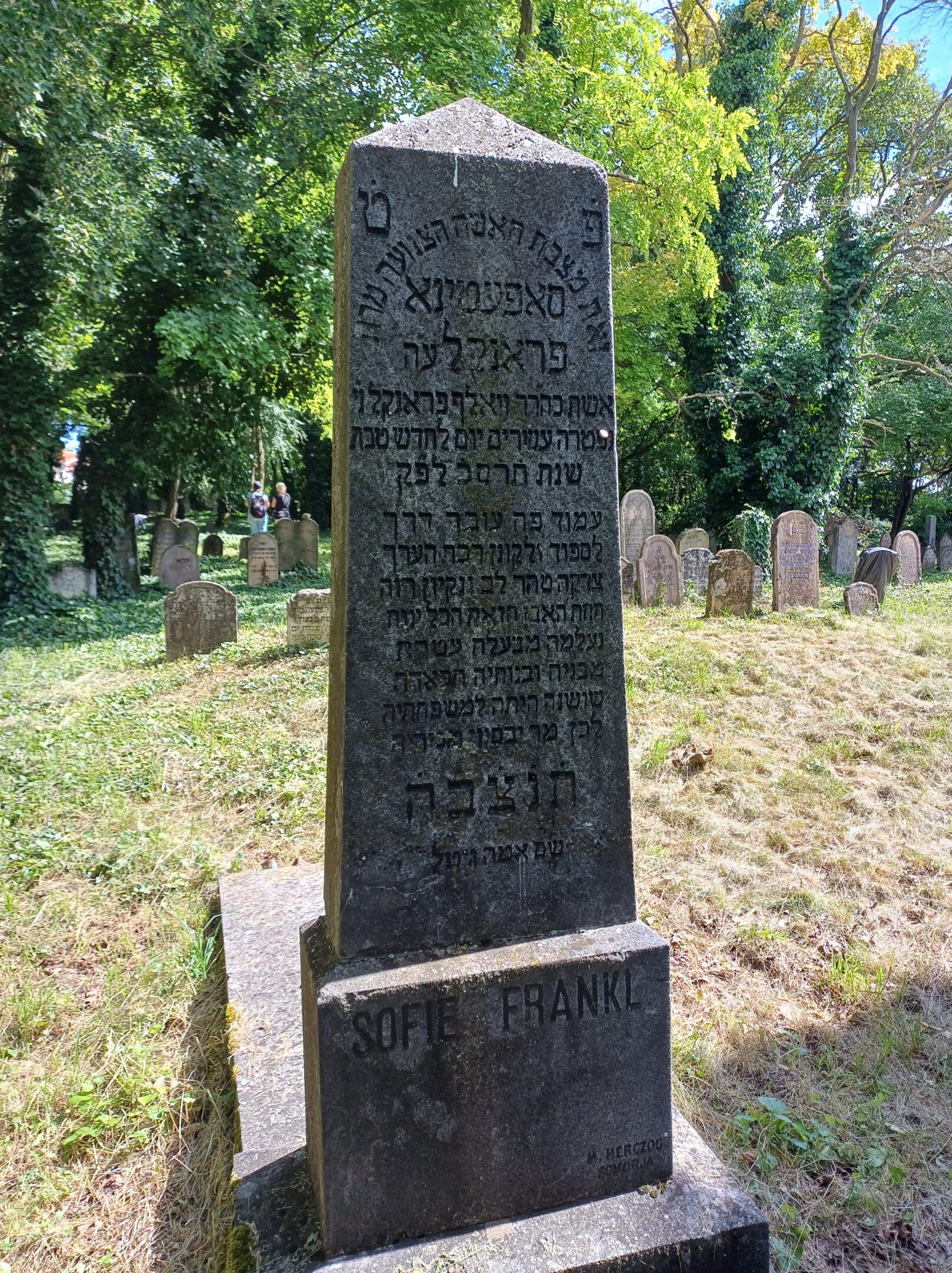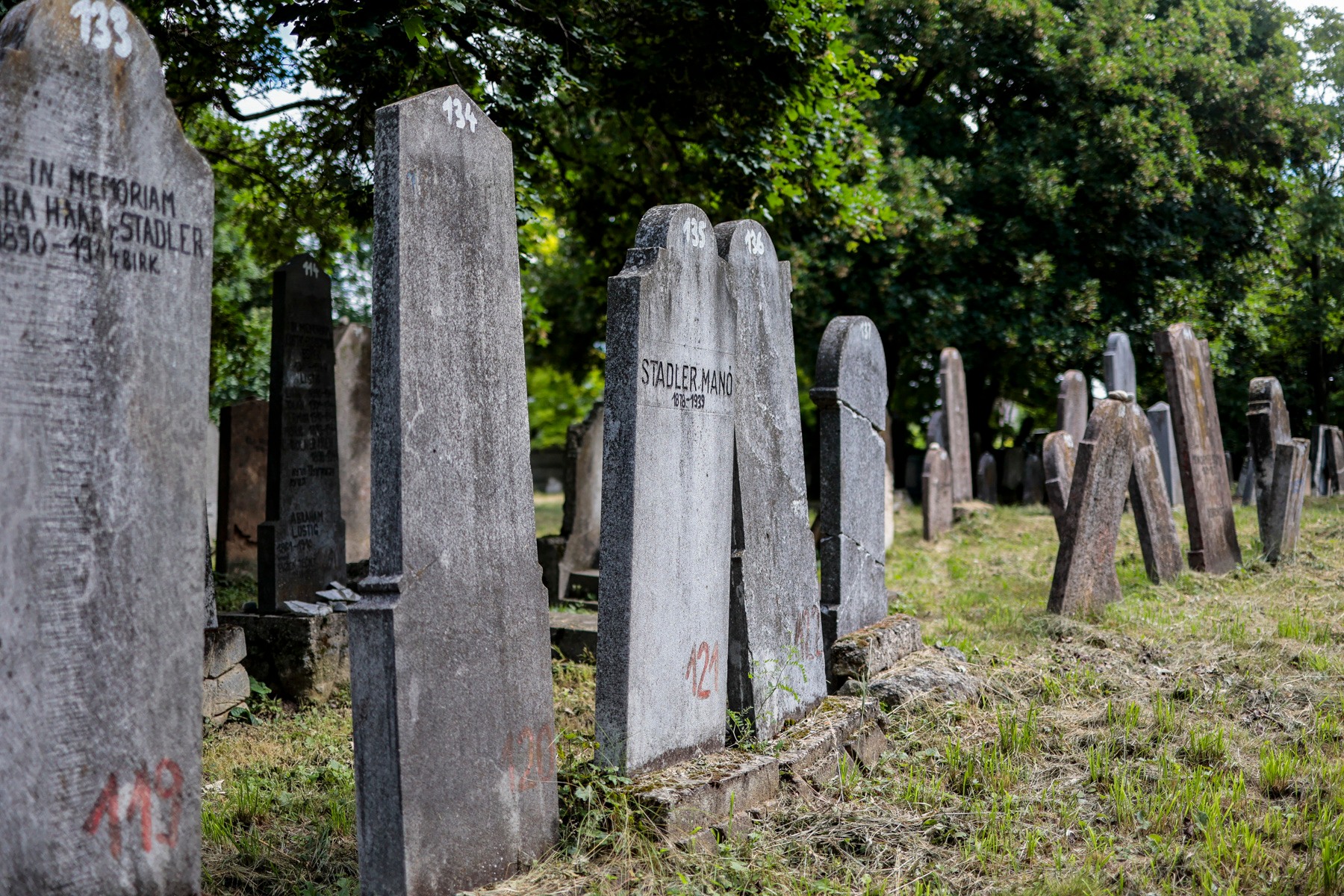


The cemetery in Mliečno most likely dates back to the late 17th century, or perhaps even the early 18th century. The Jewish community itself was also established during this period through the immigration of Jewish people, primarily from Moravia, Bohemia, and other regions.
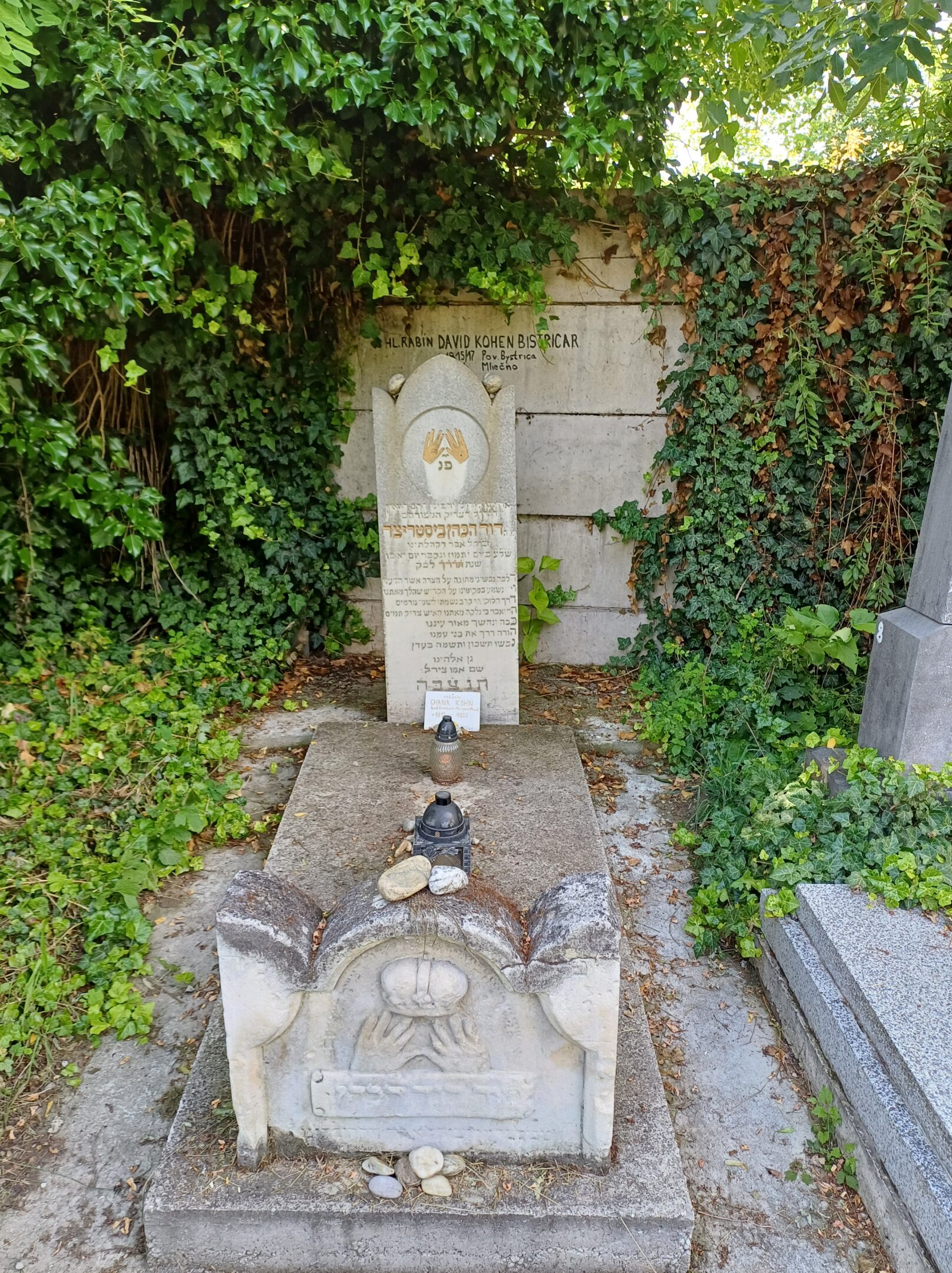
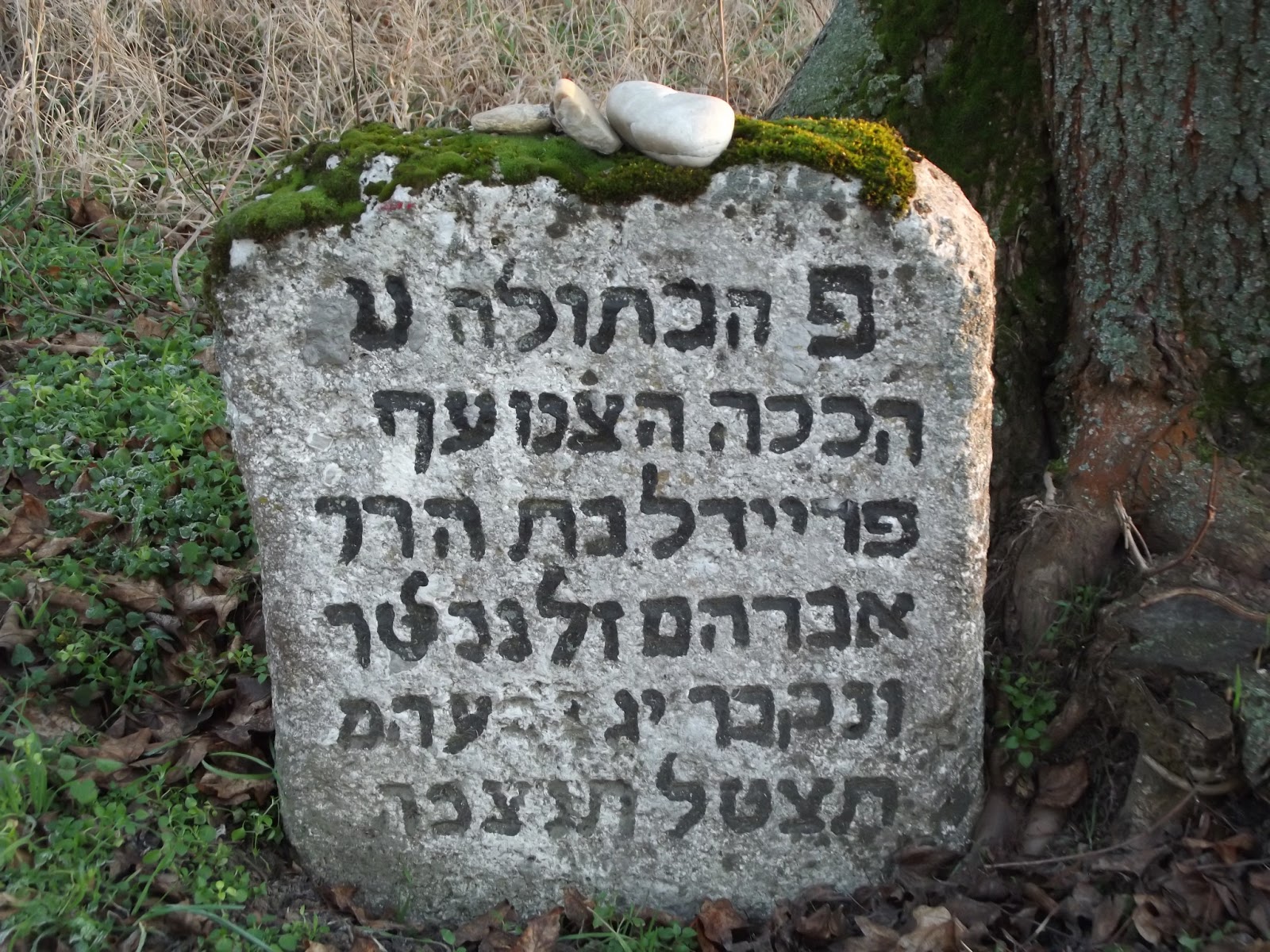
The community had its own synagogue, built in the Moravian style of the 18th century (no longer standing today), as well as other institutions necessary for its proper functioning, including a yeshiva. The oldest preserved matzeva (tombstone) dates from 1739 (No. 2), and the two other oldest graves are from 1742 (Nos. 2 and 81); the last existing grave is from 1940/41 (No. 21), though the remains of the Kohns’ graves date from 1940/42. This confirms that burials took place here continuously until World War II. Among the more notable figures buried here, it is worth mentioning Chief Regional Rabbi David Kohen of Bistrica/Bistritz (1815–1864, grave no. 16), author of several halachic works, as well as Rabbi Yissachar Beer (1758–1848, grave no. 8), community officials such as Mordechai Frankl (1788–1867, grave no. 92), Leib Steiner (1782–1860, grave no. 160), Baruch Berger, rabbi, melamed/catechist-Talmudist (1898–1929, grave no. 7), and others. The cemetery is the final resting place for Jews not only from Mliečno but also from the surrounding villages belonging to this municipality.
The community ceased to exist, or gradually disappeared, as the vast majority of the Jewish population moved (beginning mainly around 1869) to the newly established village in Šamorín. There, they also established a new cemetery in 1898. However, the connection to this village and the cemetery remained (and remains) active out of respect for their ancestors. As mentioned earlier, many continued to bury their relatives and ancestors here alongside those already resting there, right up until World War II.
Galéria