

The oldest grave in this cemetery that we know of dates back to December 1898. The most recent one is believed to be from March 1944, although the cemetery register also mentions a possible grave from May 1945, which is just after the war (Abraham Hübsch). One such possible grave, due to a broken headstone, is unidentifiable.
According to one source, the cemetery was founded in 1910, but this does not add up, as there were already several graves here from before that year (i.e., from 1898 onward).
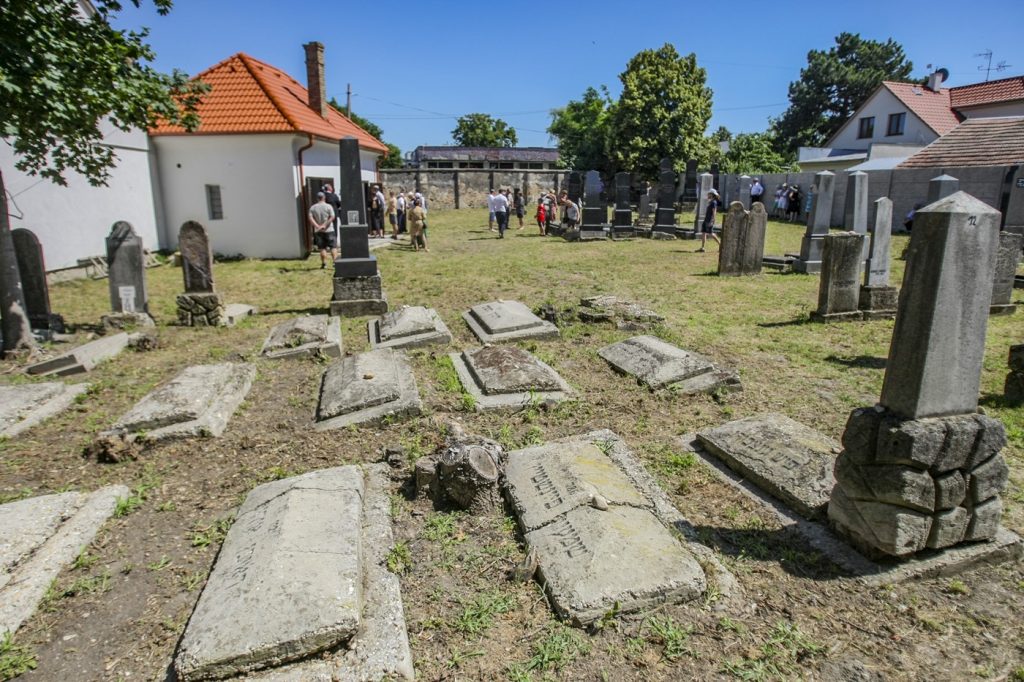
The cemetery was surveyed and mapped on May 8, 2008. Thanks to the efforts of the Šamorín city administration, which secured grants for the 2019 renovation, it is currently in exemplary, excellent condition. In the spring of 2020, thanks to a sponsoring family from Šamorín and the Jewish Community in Dunajská Streda, stonemasons restored some of the headstones and graves. There are 56 preserved graves here, though slightly more people are believed to be buried here; it is possible that some graves have not been preserved. There are also 17 Jewish military graves from Russian territories (countries) dating from World War I—from the local prisoner-of-war camp. In total, there are 73 existing graves.
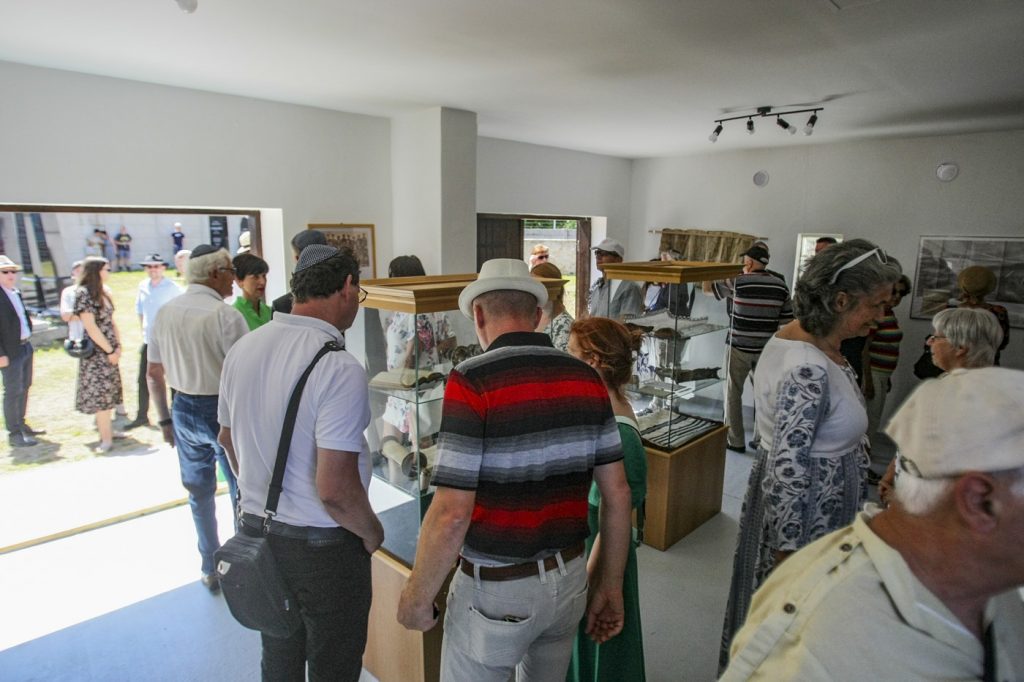
There is also a well-preserved Ciduk ha-Din (a former funeral home) dating from around the early 20th century, which served as a workshop and garage for a time; today, plans are being considered to convert it into a museum. The original fence is made of brick.
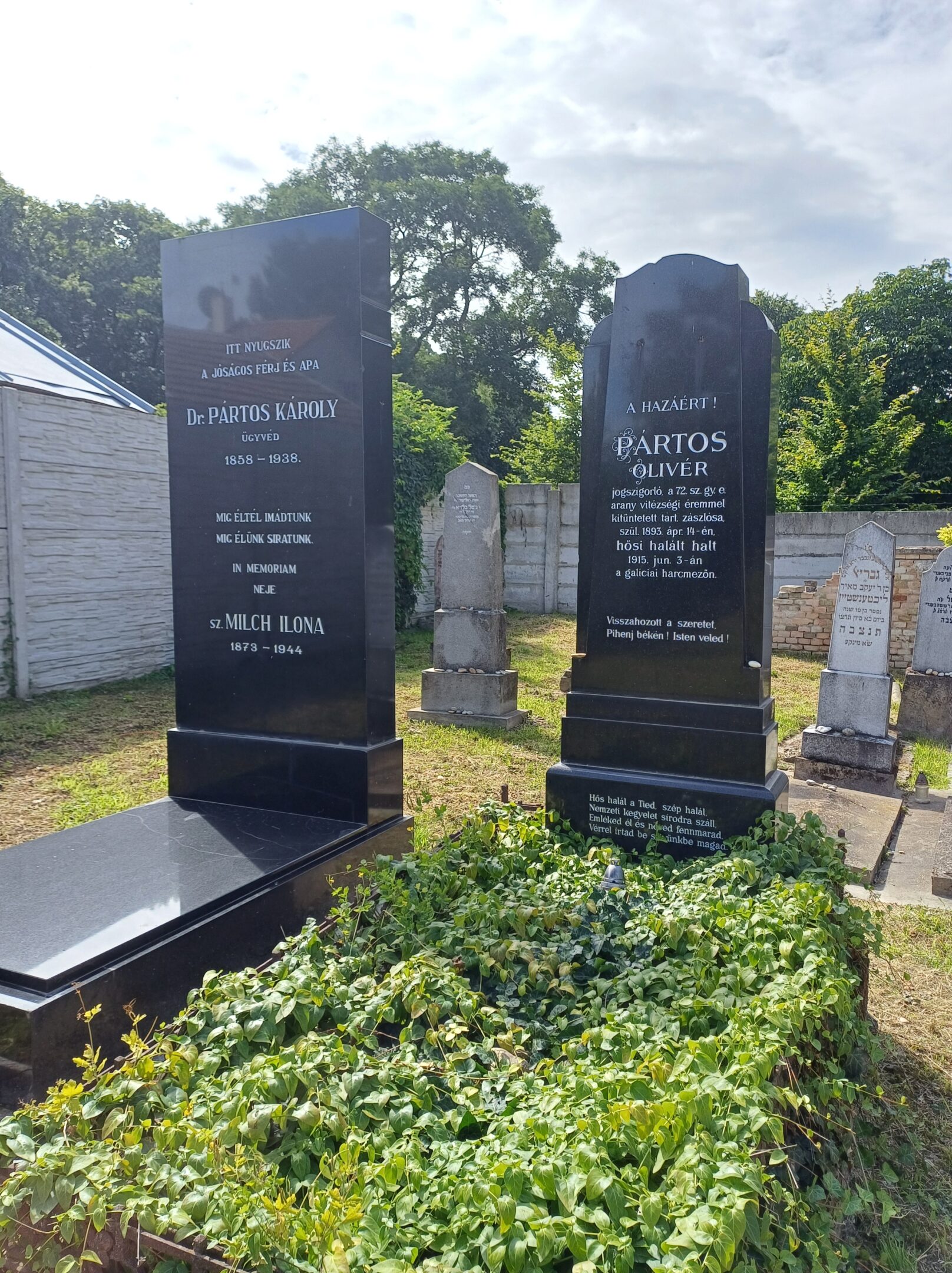
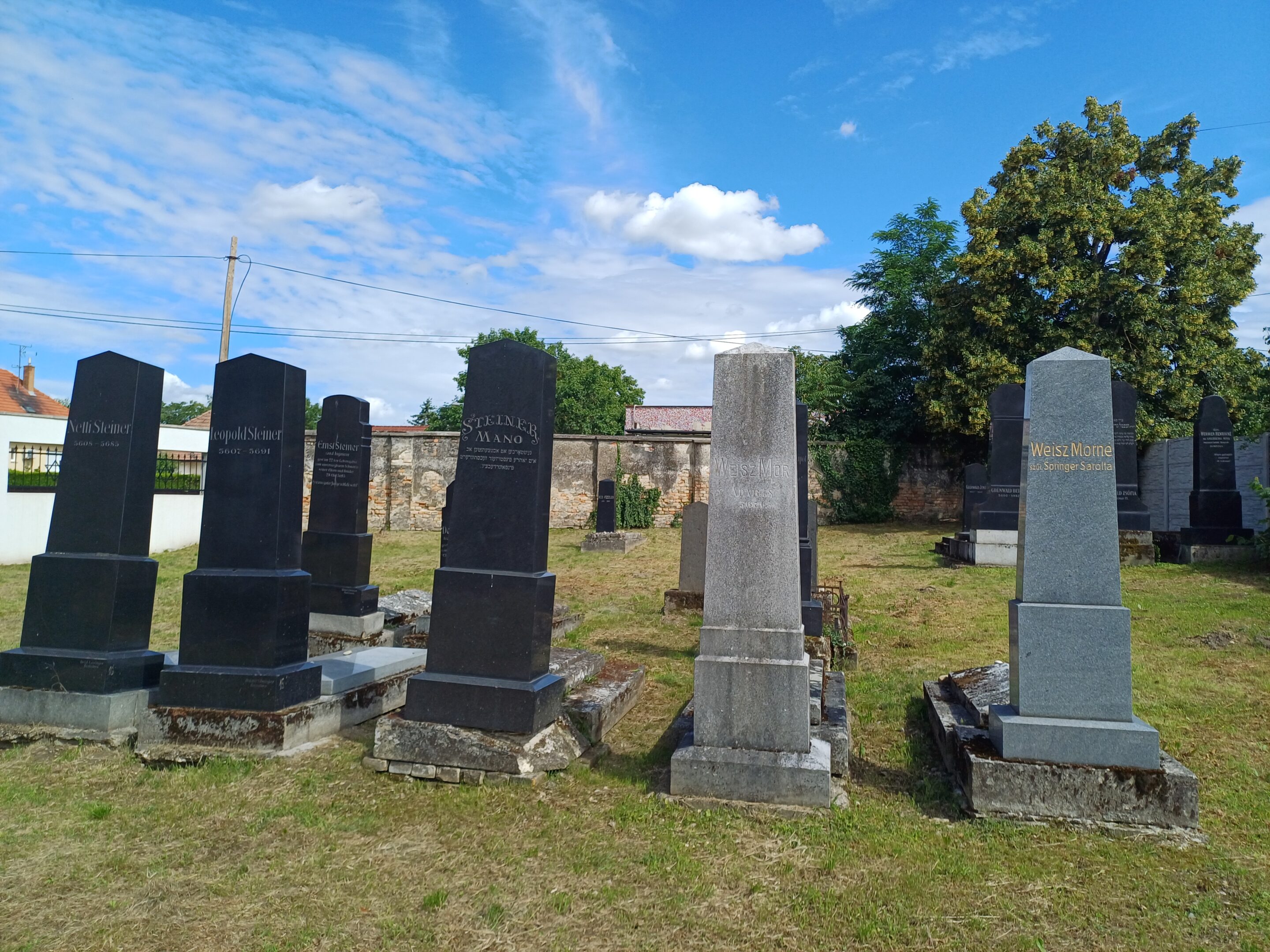
Of particular interest here are the tombstones made of high-quality black granite, which belong to wealthier families (e.g., Grünwald, Steiner, Pártoš). There are also matzevot made of granite, red limestone, and artificial stone.
During the mapping of the cemetery, the graves were marked with a registration number, and the information listed below was recorded beneath it. The information is continuously updated with new findings.
The cemetery is now accessible to interested parties upon prior request.
Galéria