Churches of Žitný ostrov, places where both body and soul find peace. It doesn’t matter if you come as a pilgrim or a tourist; these places will undoubtedly enrich you. Get to know them up close, and allow the sacred places to touch you.
https://www.cultractive.eu/tura/59/adatlap
Wall paintings from the turn of the 13th to 14th century, as well as from the late 14th century, were discovered in the sanctuary and on the northern wall of the nave between 1979 and 1981 and were later restored. Notably, there is a depiction of St. Ladislaus on the northern wall. The slanted, pyramidal tower is adorned with Gothic spires. The tower has slightly tilted due to flooding.
We are talking about one of the oldest and most beautiful Gothic churches on Žitný ostrov. The church was originally built in the third quarter of the 13th century in the late Romanesque style. It is likely that the church also served as a local fortress, and to better serve this purpose, over time, a nave and a tower were added from which the movement of the enemy, the danger of fire, and floods could be better observed. Throughout the centuries, the church has been rebuilt several times. In the 15th century, it was reconstructed in the Gothic style and is adorned with period frescoes. At the end of the 18th century, when the new church complex was completed, it was received by the members of the Reformed Church. The foundations of a charnel chapel (ossuary) from the 16th century were discovered near the church, dating from the 12th to the 13th centuries.
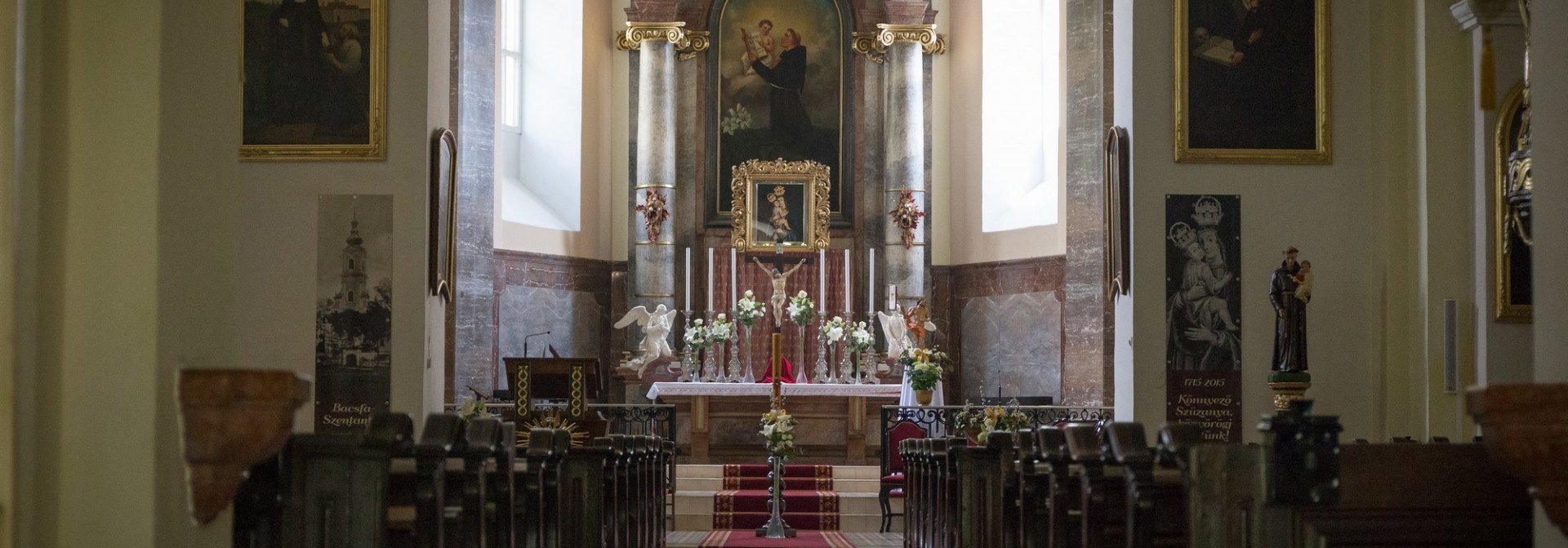
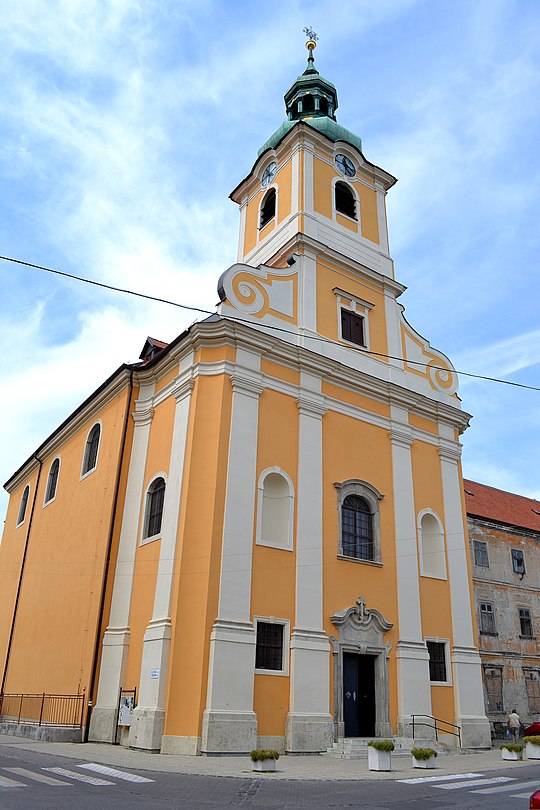
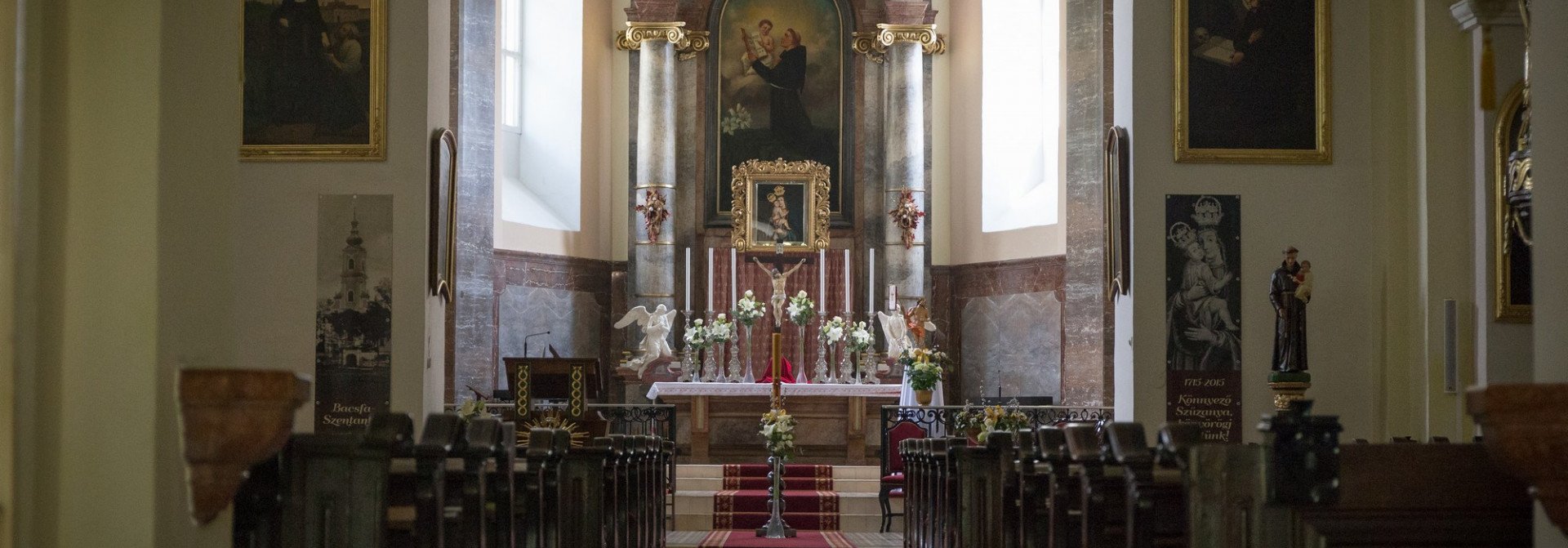
The Franciscan church dedicated to St. Anthony of Padua was built in 1677. On its altar stood a painting of the Most Holy Mother of God, who shed blood. The painting was created by a young drummer, Márton Liszkay, in gratitude in 1705. The painting of grace shed tears of blood four times between June 19 and June 23, 1715. Since then, it has been a pilgrimage site for the residents of Žitný ostrov.
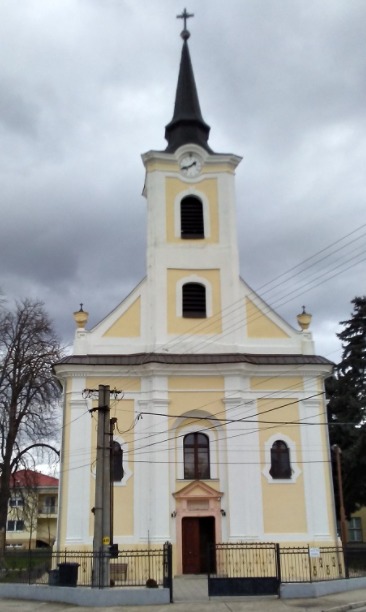
The Roman Catholic church was built in 1778 in Baroque-Classicist style on the site of and using elements from an ancient Gothic church. The church also holds a relic of Blessed László Batthyány-Strattmann, known as the 'doctor of the poor,' who spent his childhood summers in the village after the manor in Horný Bar became the property of his family in 1882. Believers can pray before the relic, which is placed on the altar of Saint Joseph.
The Roman Catholic Church of the Assumption of the Virgin Mary was built in 1778 in the Classicist style, incorporating parts of the former church. Its current appearance was shaped by a reconstruction in 1927. The church is a pilgrimage site.