Discover the history of Komárno on a leisurely walk.
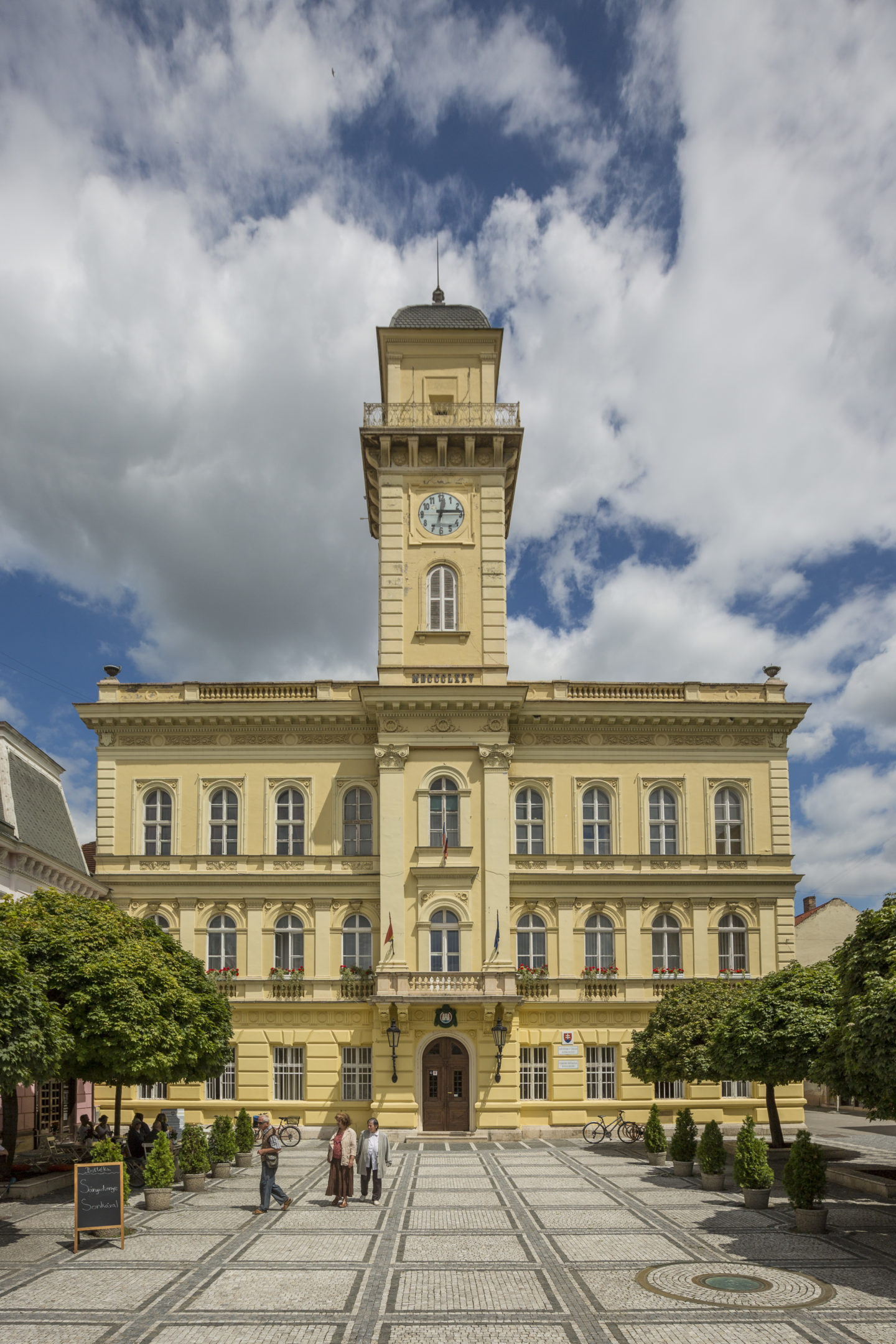
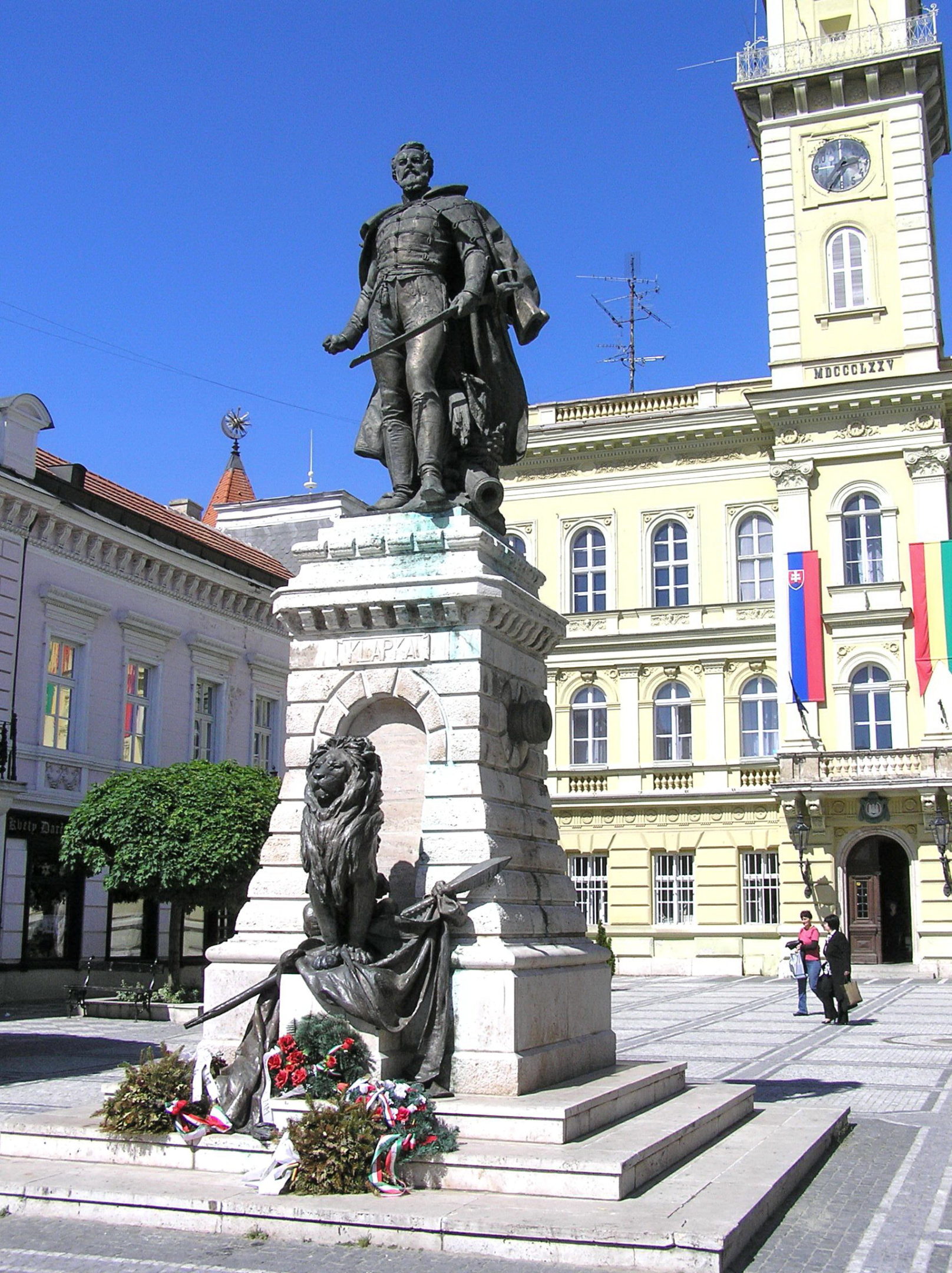
The present-day square was created on the site of a pond that remained in the deeper part of the water moat that previously protected the walls of the medieval town. A market was established where the pond had dried up. By the end of the 17th century, a building used for municipal council meetings stood on its northern side. In 1725, it was rebuilt and covered with tiles. After significant damage caused by an earthquake in 1763, it was restored in 1766 and the following year, a fire watchtower with a copper roof was added, on top of which was placed the symbol of the Habsburg monarchy, a double-headed eagle made of metal. Following a fire in 1848, the building was renovated again, but it had to be enlarged, so in 1875, an additional floor was added, and a new watchtower was constructed, resulting in the town hall as we know it today. This reconstruction is commemorated by the year in Roman numerals located under the tower. The building still serves as the seat of the municipal office.
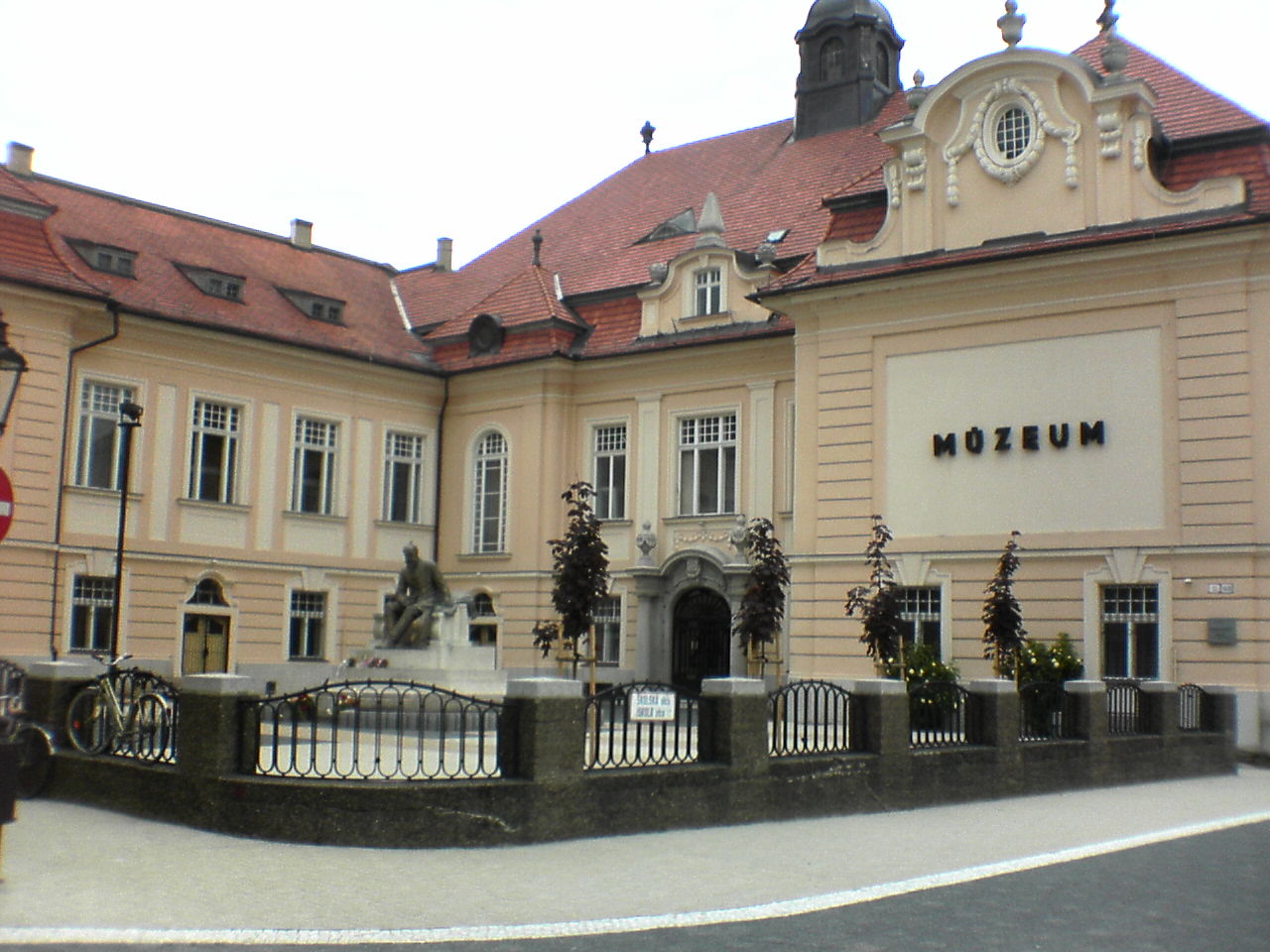
The main building of the Podunajské Museum is located on Palatínová Street in the Cultural Palace built in 1913. It is one of the most important centers of Hungarian culture in Slovakia and boasts the richest Roman collection, as well as collections of folk costumes, textiles, and ceramics. The collection features characteristic elements of folk costumes, primarily from the Hungarian ethnicity. Noteworthy items also document Danube fishing, gold panning, and the life and work of wagon-driving farmers from Komárno.
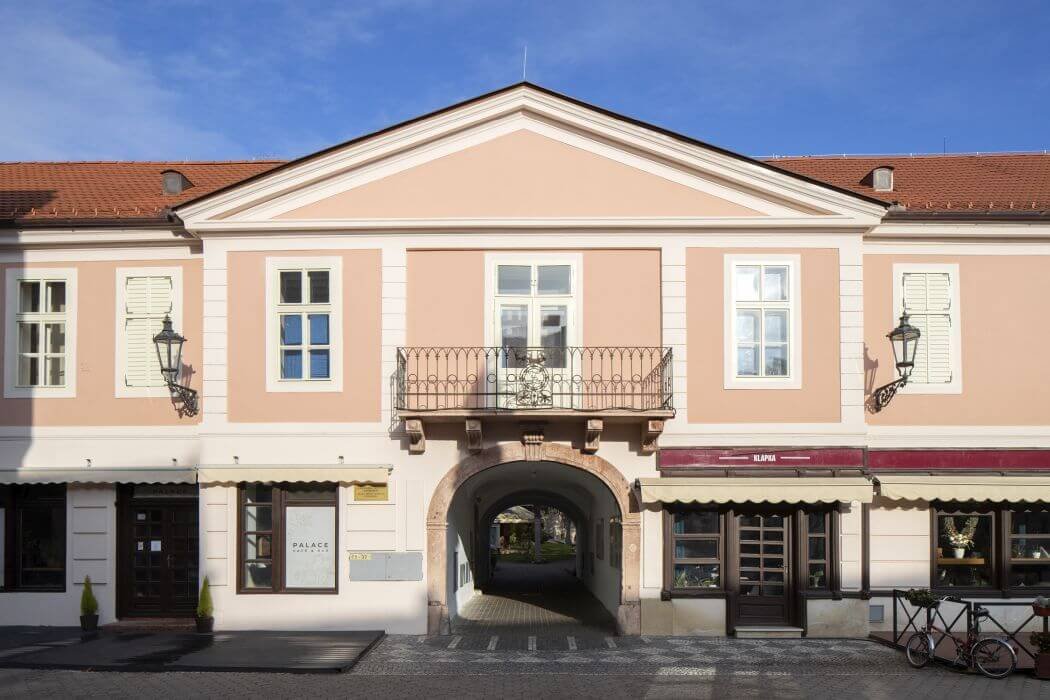
The Zichy Palace is a three-bay, two-storey building originally constructed in the Baroque style in the second half of the 17th century. It underwent modifications in 1763, 1798, and 1870, when it acquired its present Neoclassical appearance. In the early 19th century, the building hosted ceremonial events, balls, and theatrical performances. Today, it belongs to the Danube Region Museum.
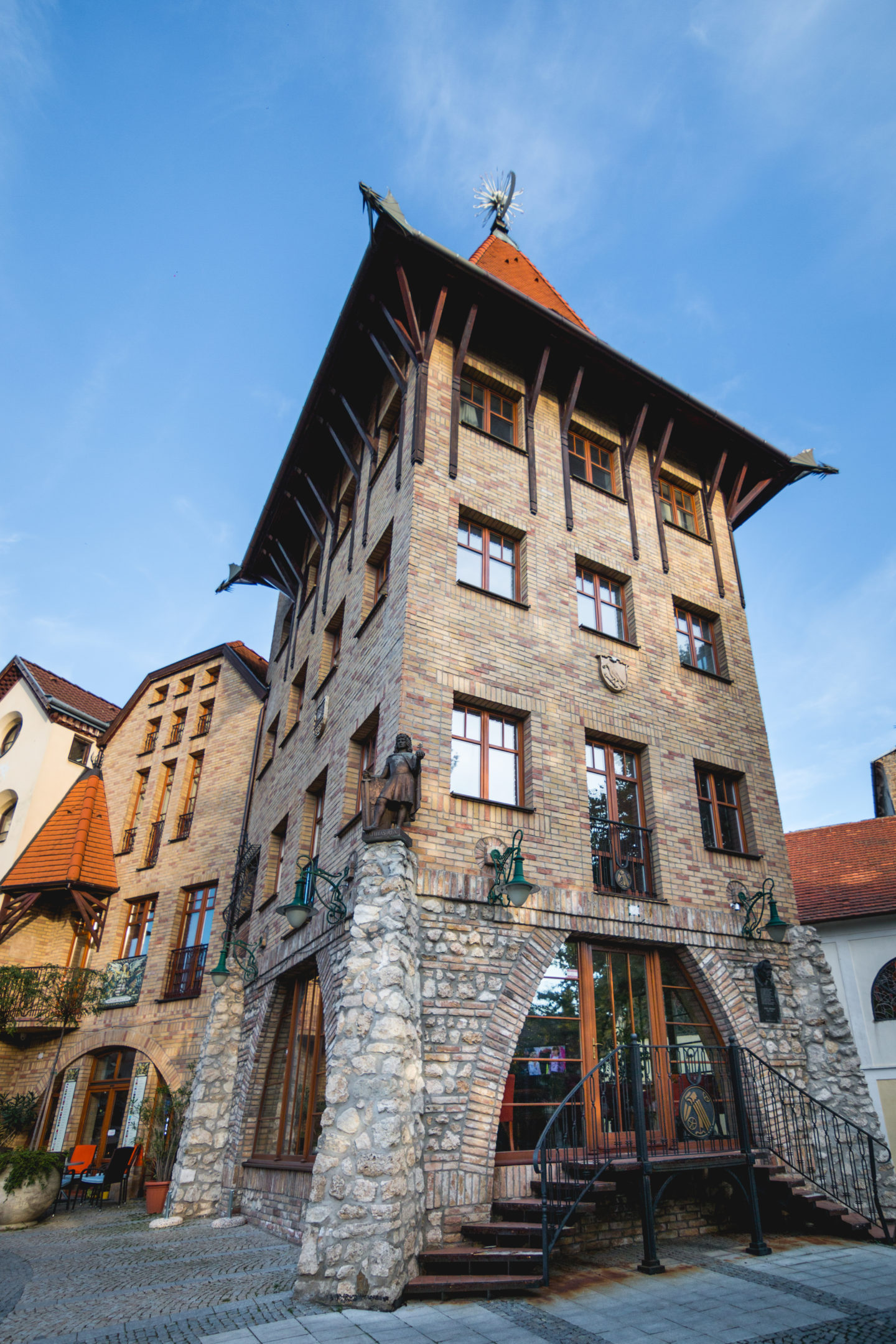
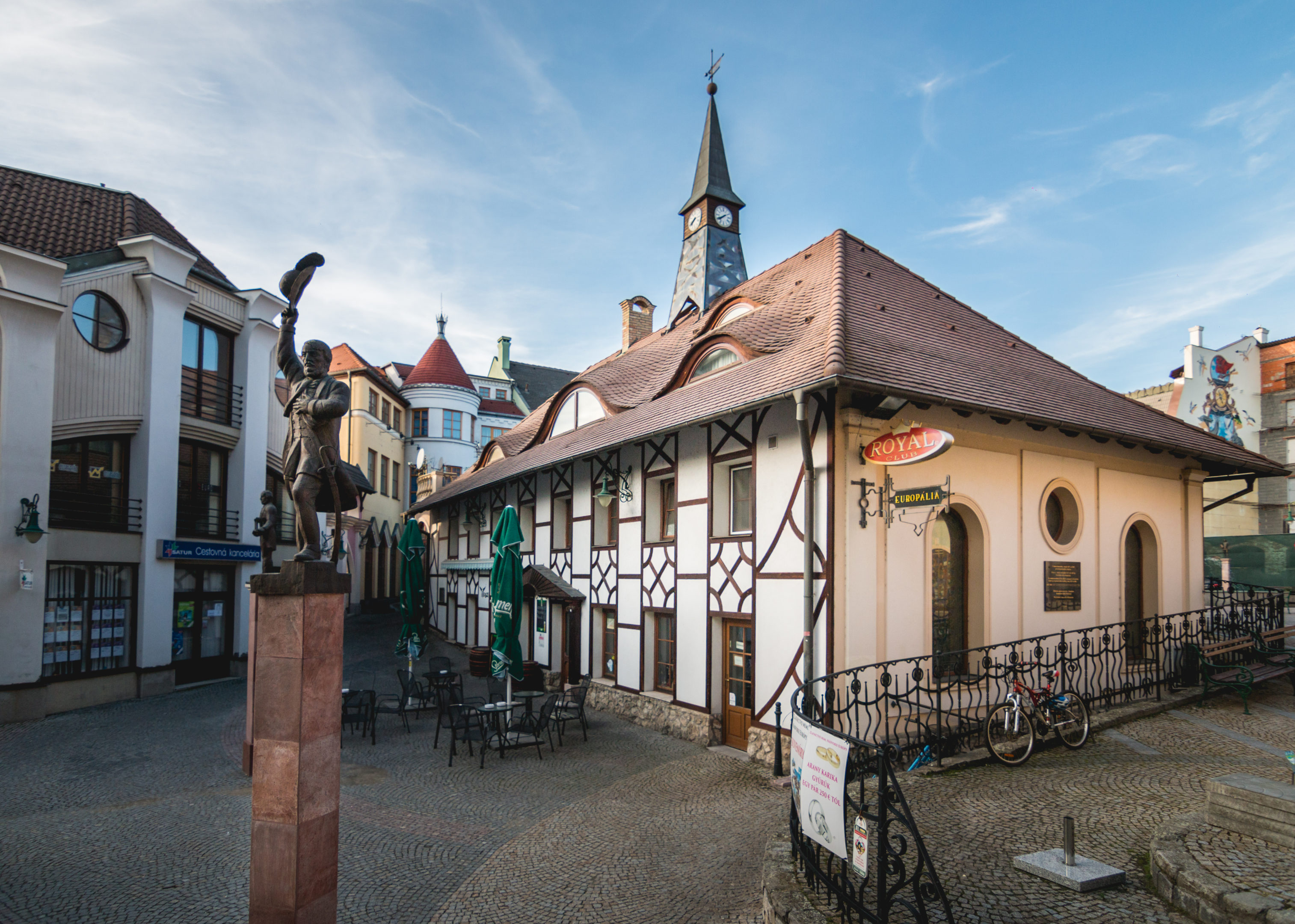
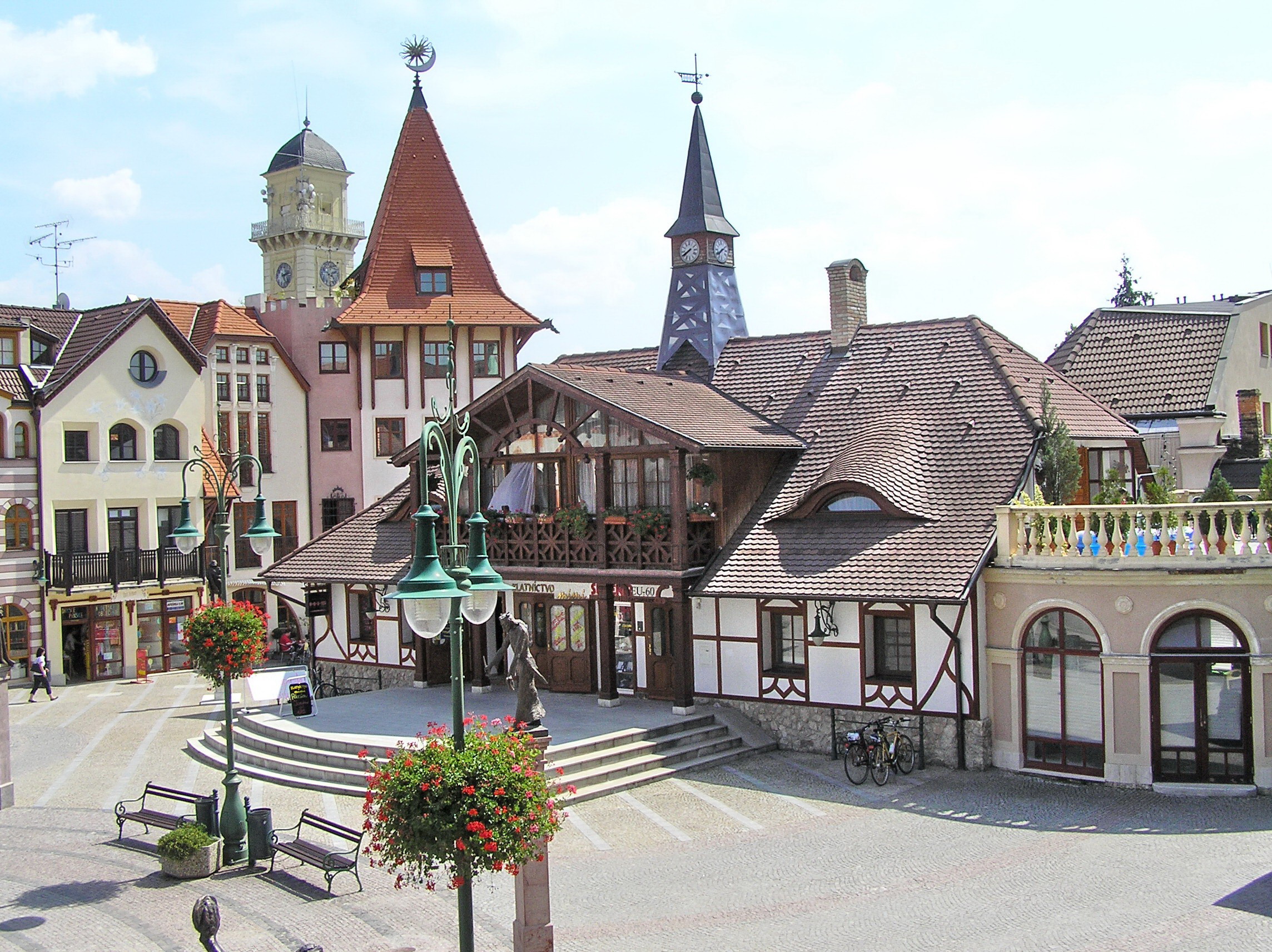
At the end of the 20th century, the Courtyard of Europe was established in connection with the Zichy Palace. The courtyard represents the architecture of 45 countries and regions, with its design and construction named after architects Nándor Litomericzky, Péter Takács, and Péter Varga. The inner park of Zichy Palace is connected to the new square by the Matyás Gate. The gate is one of the dominant structures of the square, evoking the buildings constructed during the reign of King Matthias through its shape and colors.
The western side of the square is bordered by houses from Estonia, Finland, Belgium, the Netherlands, Friesland, Norway, Denmark, England, Ireland, Scotland, and Wales. There is also a house representing San Marino, as well as Romanian, Czech, and Slovak houses. The German house is the only one that is not new, as it is the oldest building in the city.
The church began to be built in 1787 and was consecrated on September 21, 1788. The construction of the church tower started in 1818, but it was not completed until 1832. At that time, the front side of the church was also created in the Empire style.
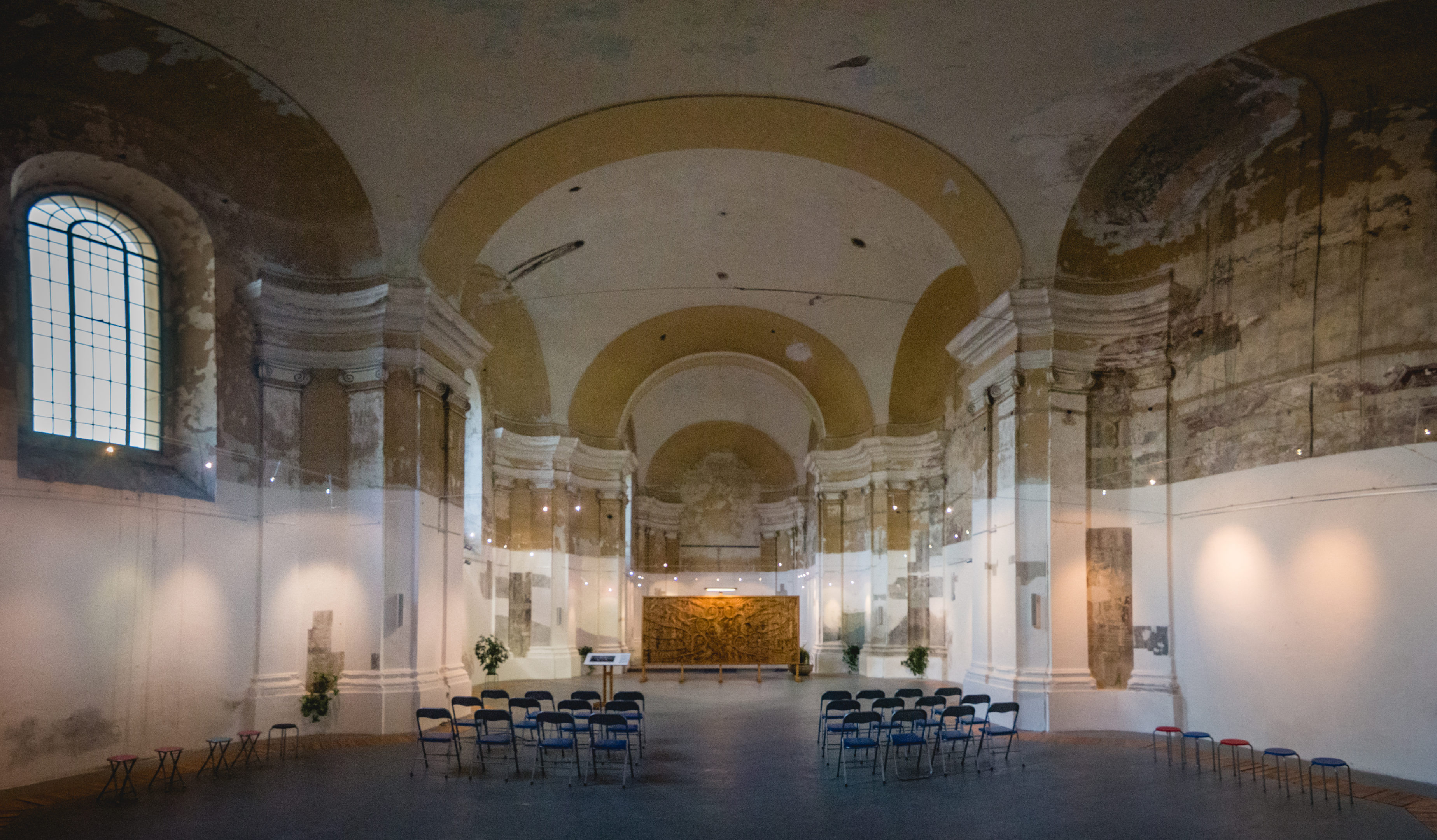
The focus of the exhibitions at the Limes Gallery is the presentation of various fields of visual arts: painting, graphics, sculpture, photography, installations, performances, conceptual and action art.
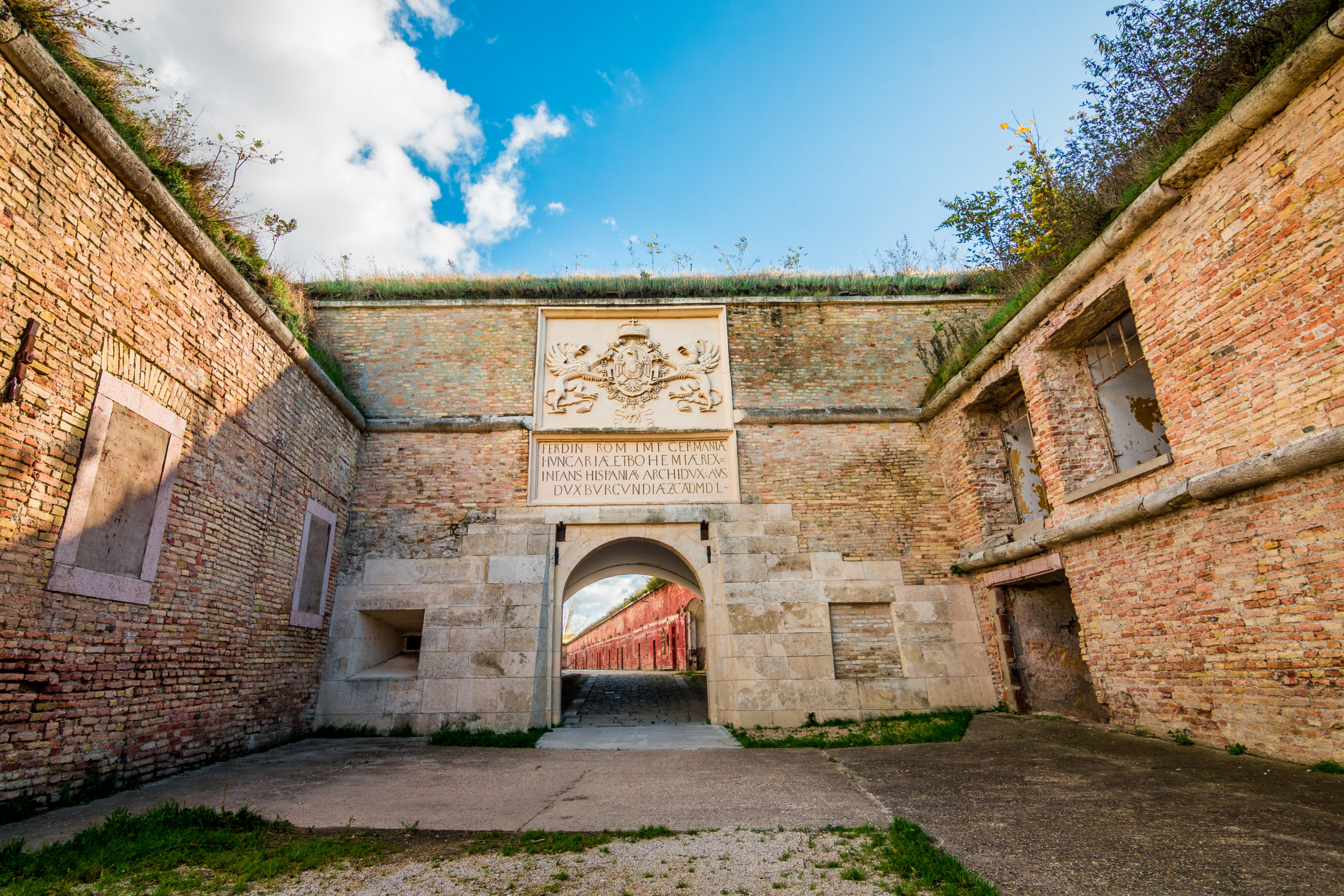
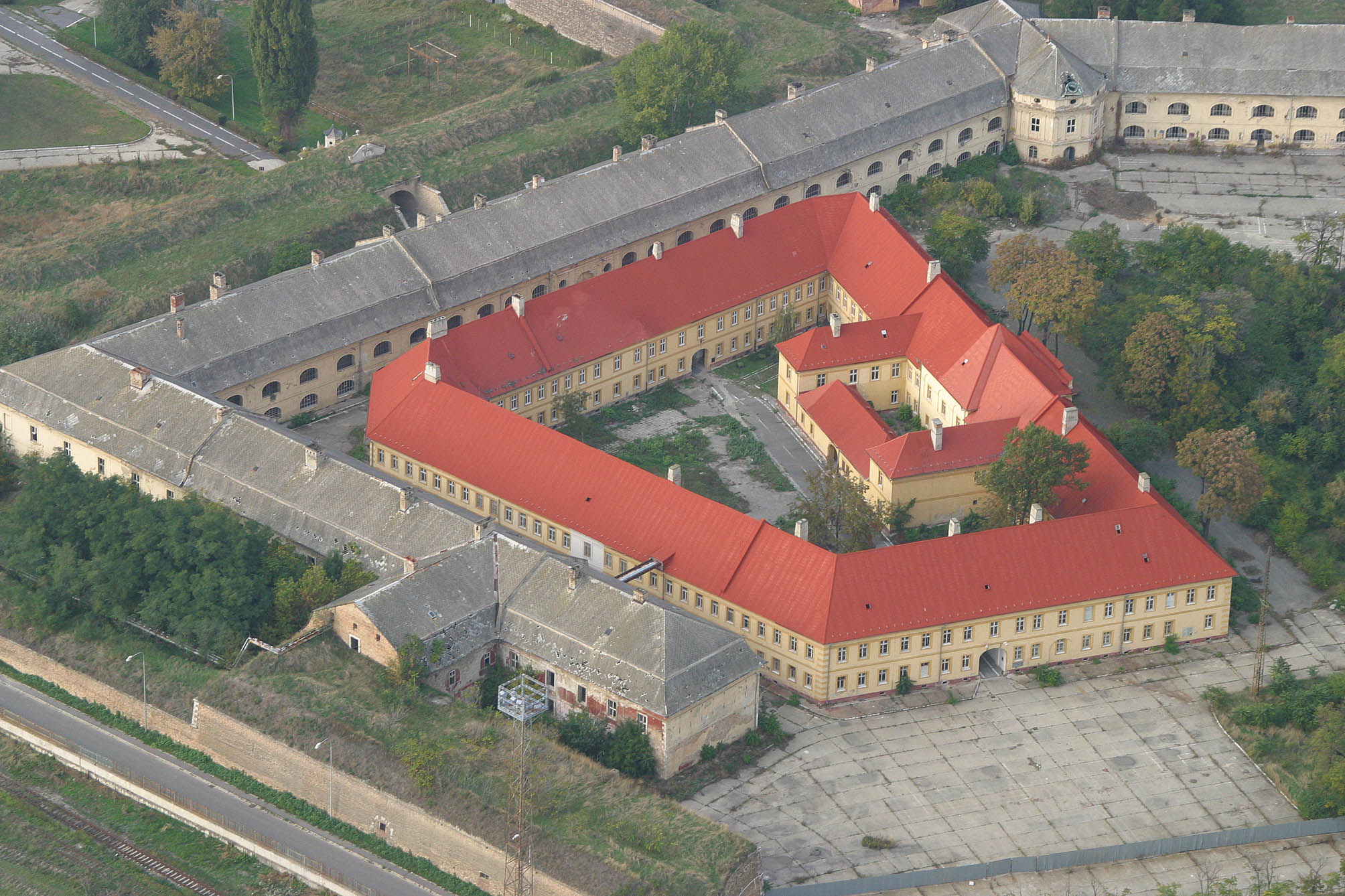
One of the most impregnable defensive complexes of its time surrounds the town of Komárno. It is the largest monument of its kind in Slovakia, which is unique in its scope also from the European point of view. It is the largest fortification structure of the former Austro-Hungarian monarchy. That is why it is included in the UNESCO World Heritage List. In the past, the fortress withstood a hundred thousand strong army of the Turkish Pasha.
The Komárno fortress system was the largest and strongest fortress system of the former Austro-Hungarian Empire. In present-day Hungary and Slovakia, it consists of, on the two banks of the Danube, the central fortress in Komárno, five bastions of the Palatine Line, two bastions and four castles of the Váh Line, and in Komárom (HU) the fortresses of Monostor, Igmánd and Hviezda Fortress.
Subscribe to the newsletter and stay informed about current programs.
Webová stránka KdeCo.sk spoločnosti Oblastná organizácia cestovného ruchu Žitný ostrov – Csallóköz používa cookies aby pre vás zabezpečil ten najlepší zážitok pri používaní webovej stránky. Niektoré sú nevyhnutné pre fungovanie stránky a niektoré sa používajú aby sme mohli zbierať štatistické údaje o používaní webovej stránky. Žiadame Vás, aby ste súhlasili s používaním týchto údajov, ale vždy máte možnosť zmeniť svoje rozhodnutie a nežiaduce cookies vypnúť. Viac o ochrane osobných údajov si môžete prečítať na nižšie uvedenom odkaze : Pravidlá používania súborov cookie
Používame cookies aby sme pre vás zabezpečili ten najlepší zážitok z našich webových stránok. Niektoré sú nevyhnutné pre správne fungovanie webovej stránky. Používame aj cookies tretích strán, ktoré nám pomáhajú analyzovať a pochopiť, ako používate túto webovú stránku. Tieto cookies budú uložené vo vašom prehliadači iba s vaším súhlasom; a vždy máte možnosť svoj súhlas odvolať.
Prevádzkovateľom web stránky je nezisková organizácia: Oblastná organizácia cestovného ruchu Žitný ostrov – Csallóköz
Promenádna 3221/20, 932 01 Veľký Meder, IČO: 42 288 967