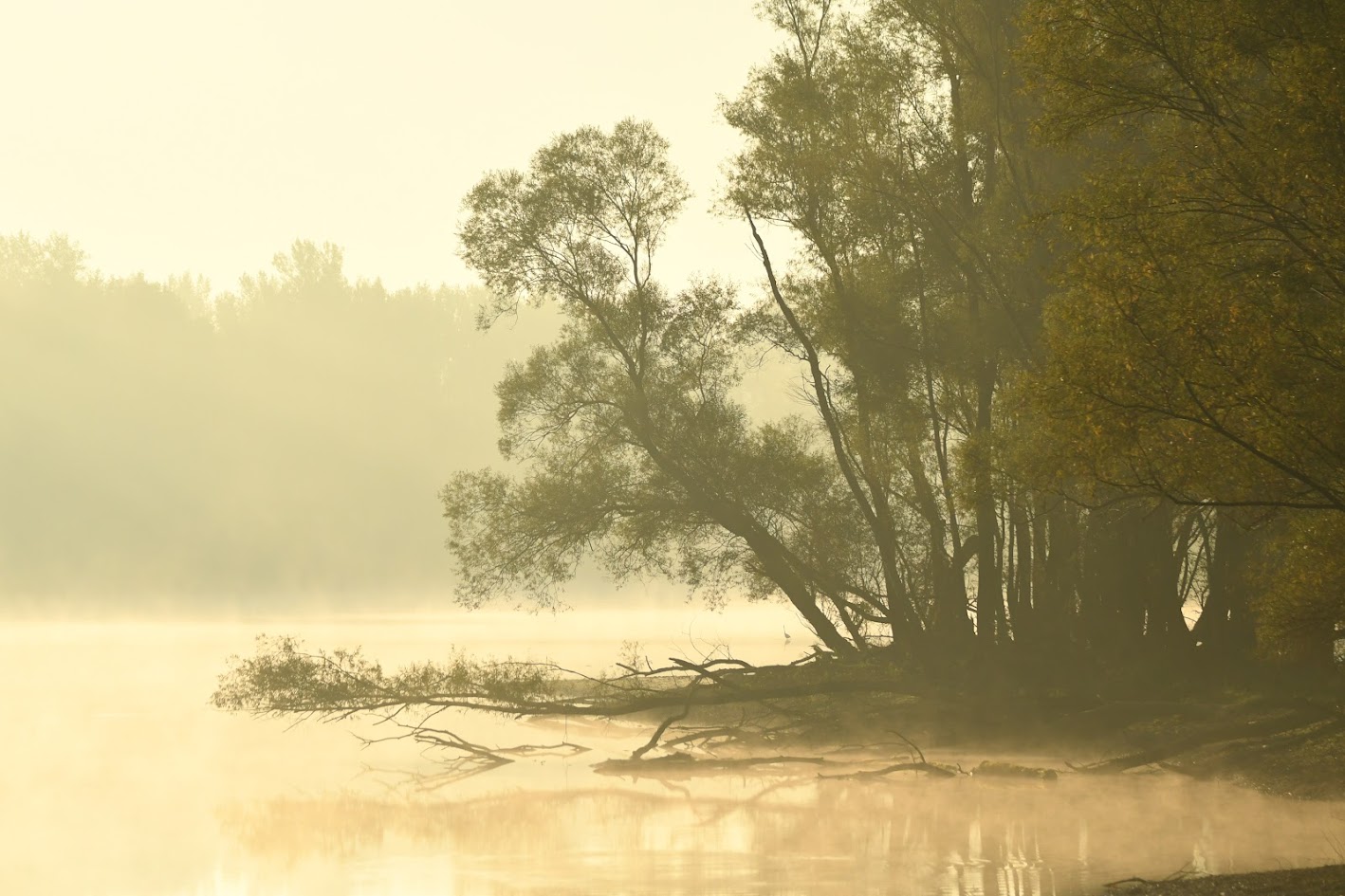
This educational trail offers the opportunity to discover the rich world of the river and its hidden beauties up close. During the water tour, you will encounter not only local attractions but also the tranquility of nature, the song of birds, and the charm of river nooks. It is an ideal activity for families, friends, or anyone longing for active relaxation in the embrace of nature.
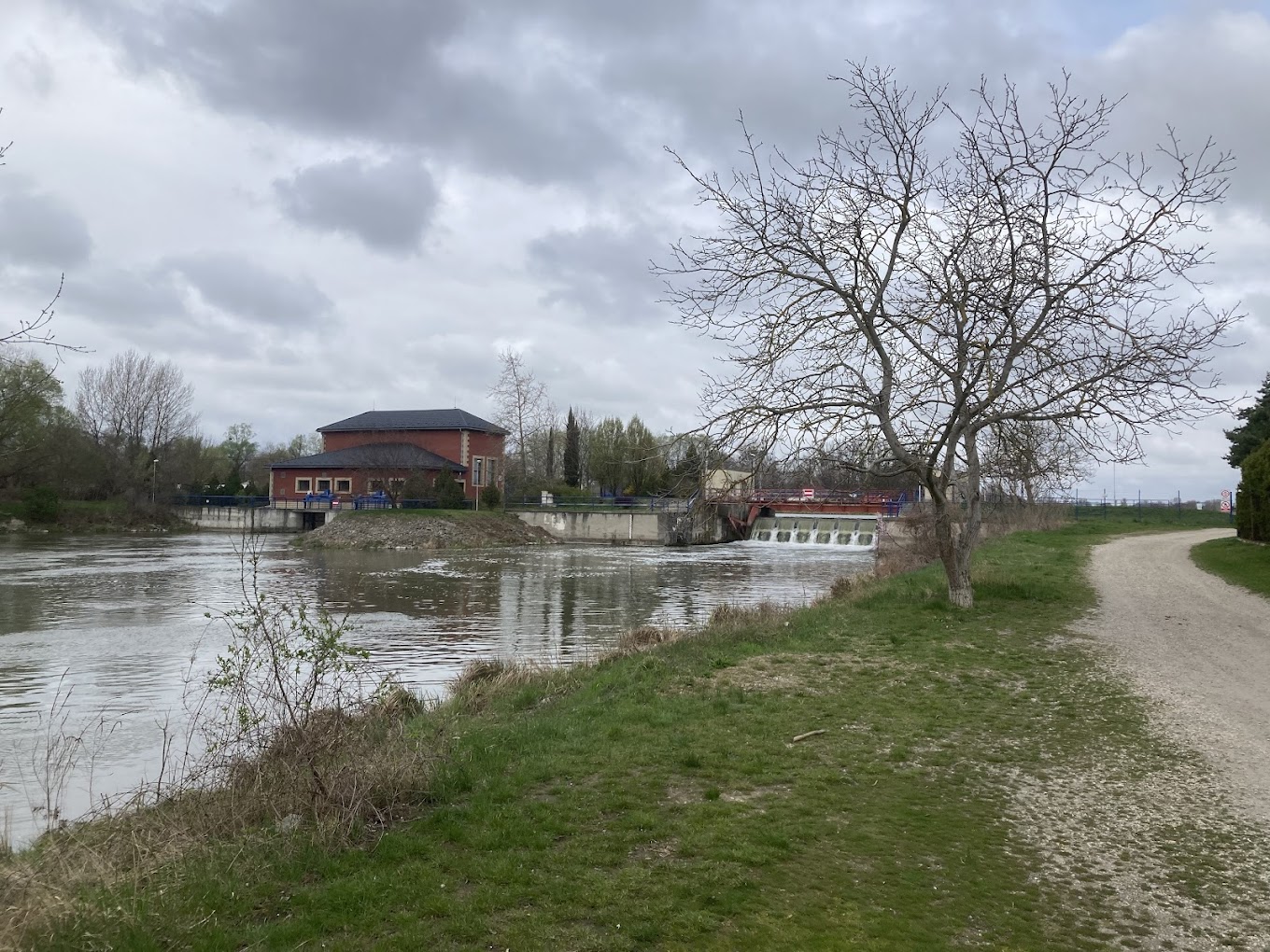
Small hydro power plant Male Palenisko was built by reconstruction of the gutter building to the Little Danube. It is an important element on the river, as it provides the required tributary from the Danube to the riverbed and at the same time regulates the river level. Two Kaplan turbines are installed in the dam, producing 6 GWh of electricity each year and exploiting the hydro-energy potential of water
Vrakuňa forest park is a great choice for recreation for the whole family or for a walk with the dog. In addition to developing the forest park, the banks of the Little Danube are also being revived. There is a nature trail, children’s playground, bike pump track, blue footbridge, seasonal refreshment stands and public toilets.
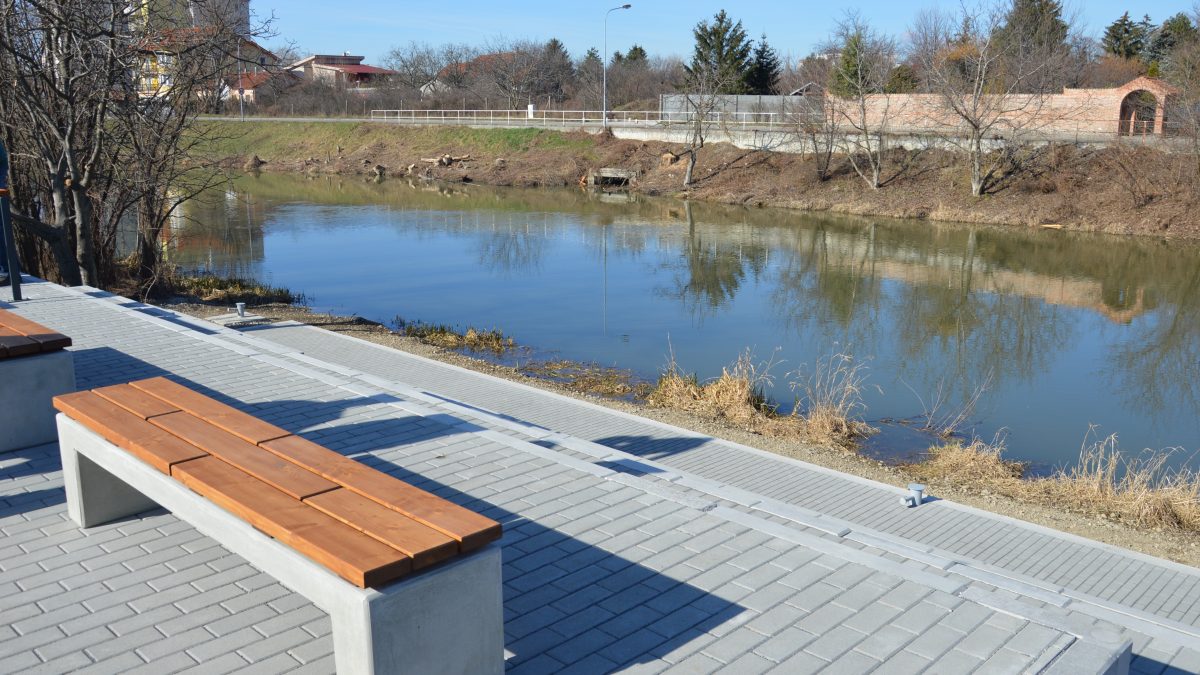
The recreational zone is part of the Little Danube bike trail running through Vrakuňa. It will serve primarily canoers starting their river trips along the Little Danube in Vrakuňa, though it will also have the function of a recreational zone for local residents. It is planned to build a bike trail and a pedestrian promenade along the river, leading via the Paneláreň residential area through to the end of Vrakuňa.
The Šur river canal is the first afflux of the Little Danube. It brings water from the hills of the Little Carpathians. The canal was built between 1941 and 1943 as part of forced labor to drain water from the The Šur Primeval Forest a nature reserve. It is characterized by dark coloring, as there are still remains of prehistoric swamps in the Šur.
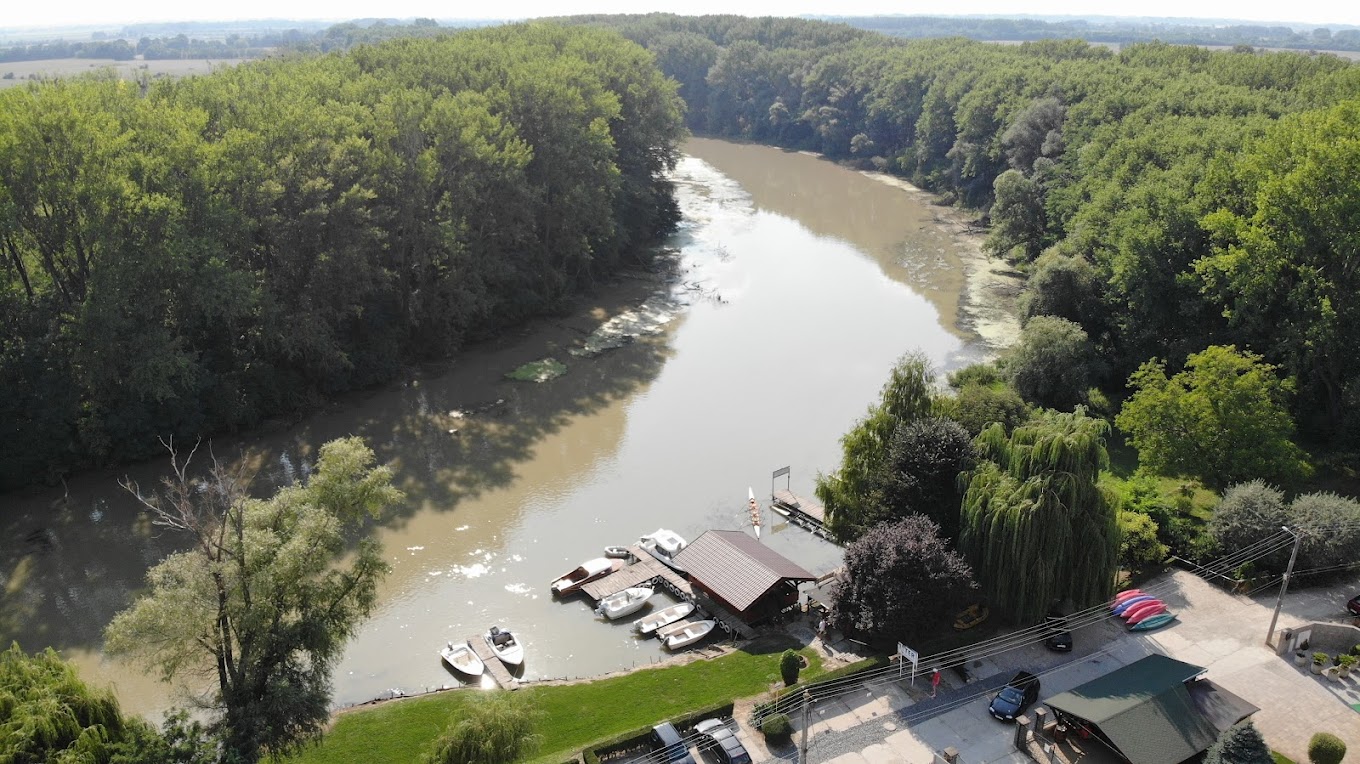
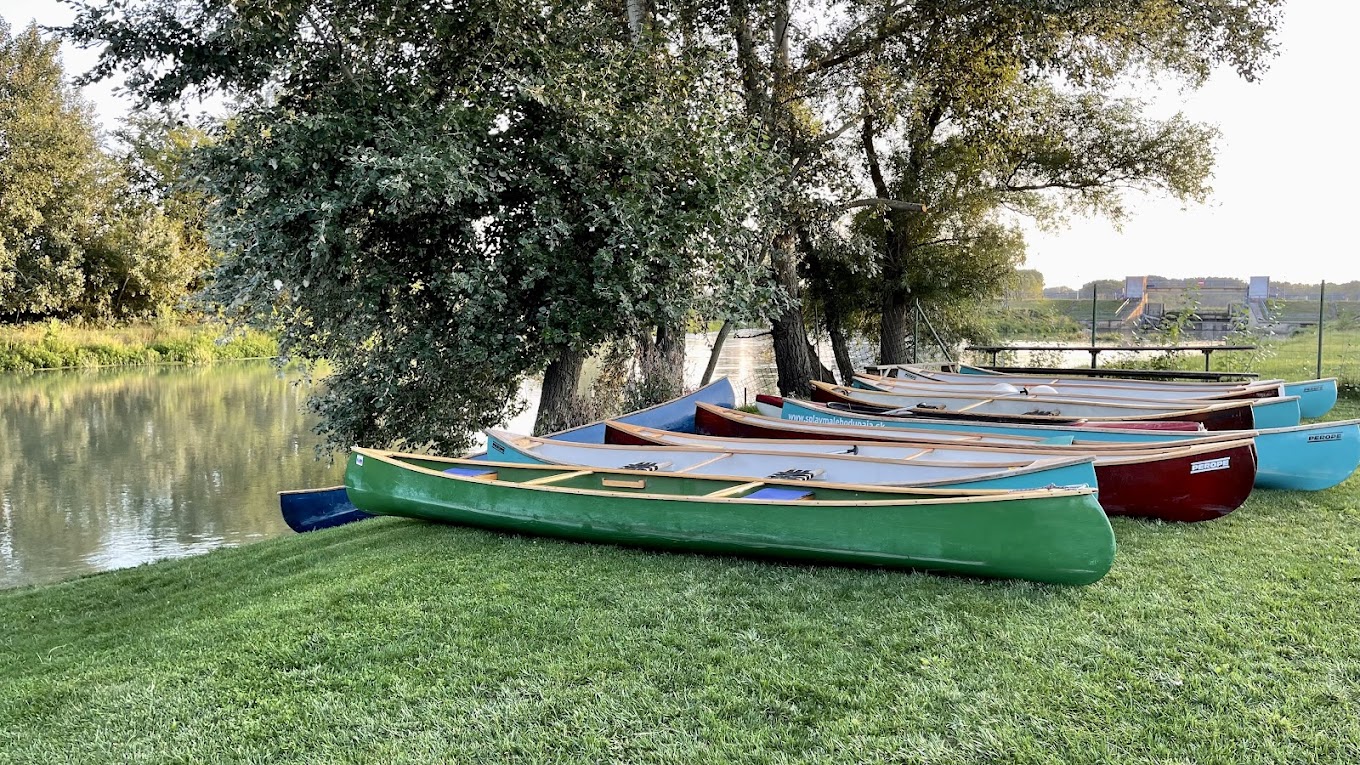
The shipyard is a boating base that provides space for access to the river, relaxation and camping. It provides boat rental services, organization of canoeing and paddling school. The Zálesie shipyard is located in the village of Zálesie on the bank of the Little Danube, only 7 km from Bratislava with regular bus connections from the Bratislava bus station Mlynské Nivy. You will find the shipyard at the Zálesie RD - konečná (terminal) bus stop. During the season, the shipyard regularly organises boating, sporting and cultural events.
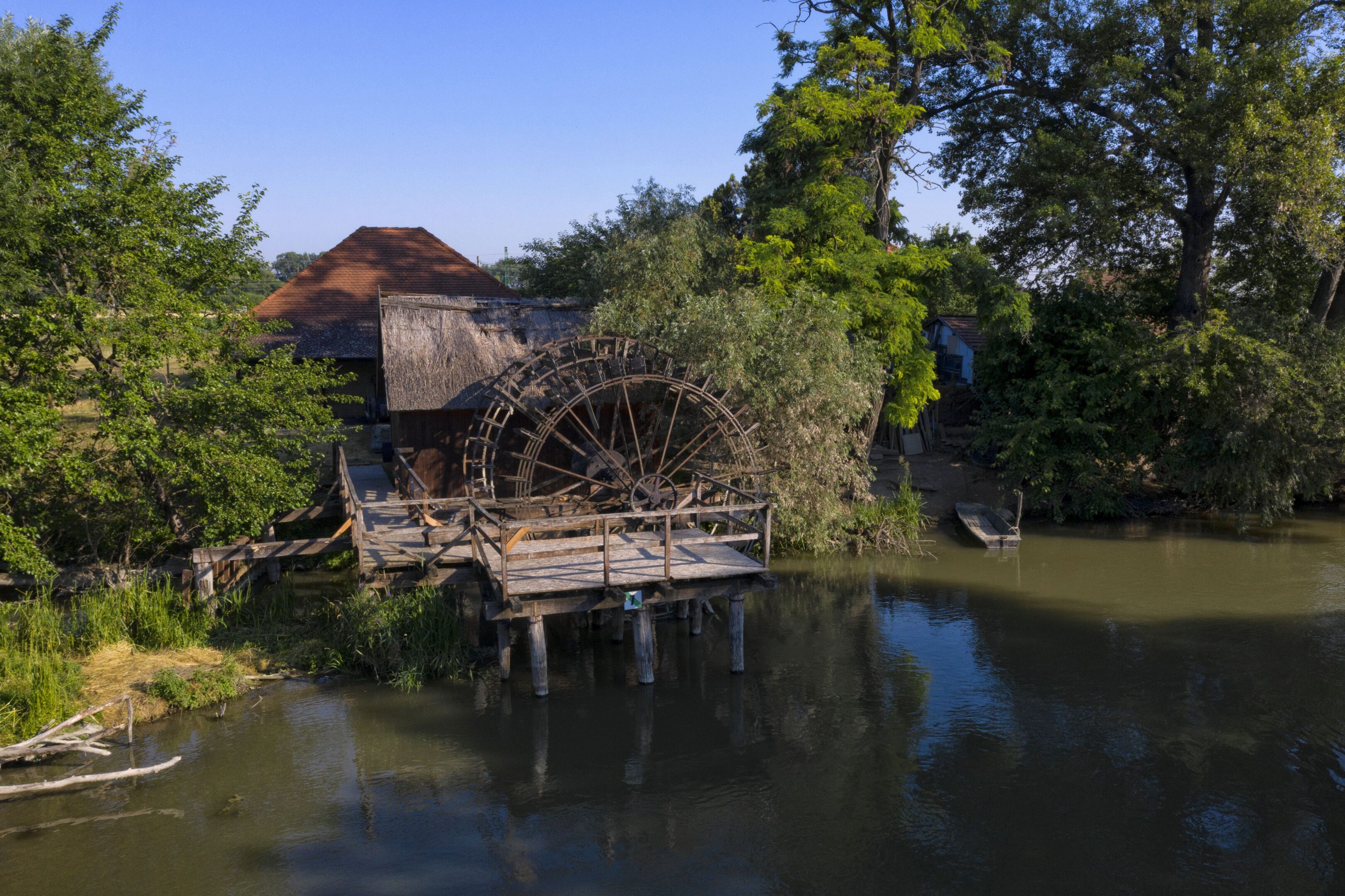
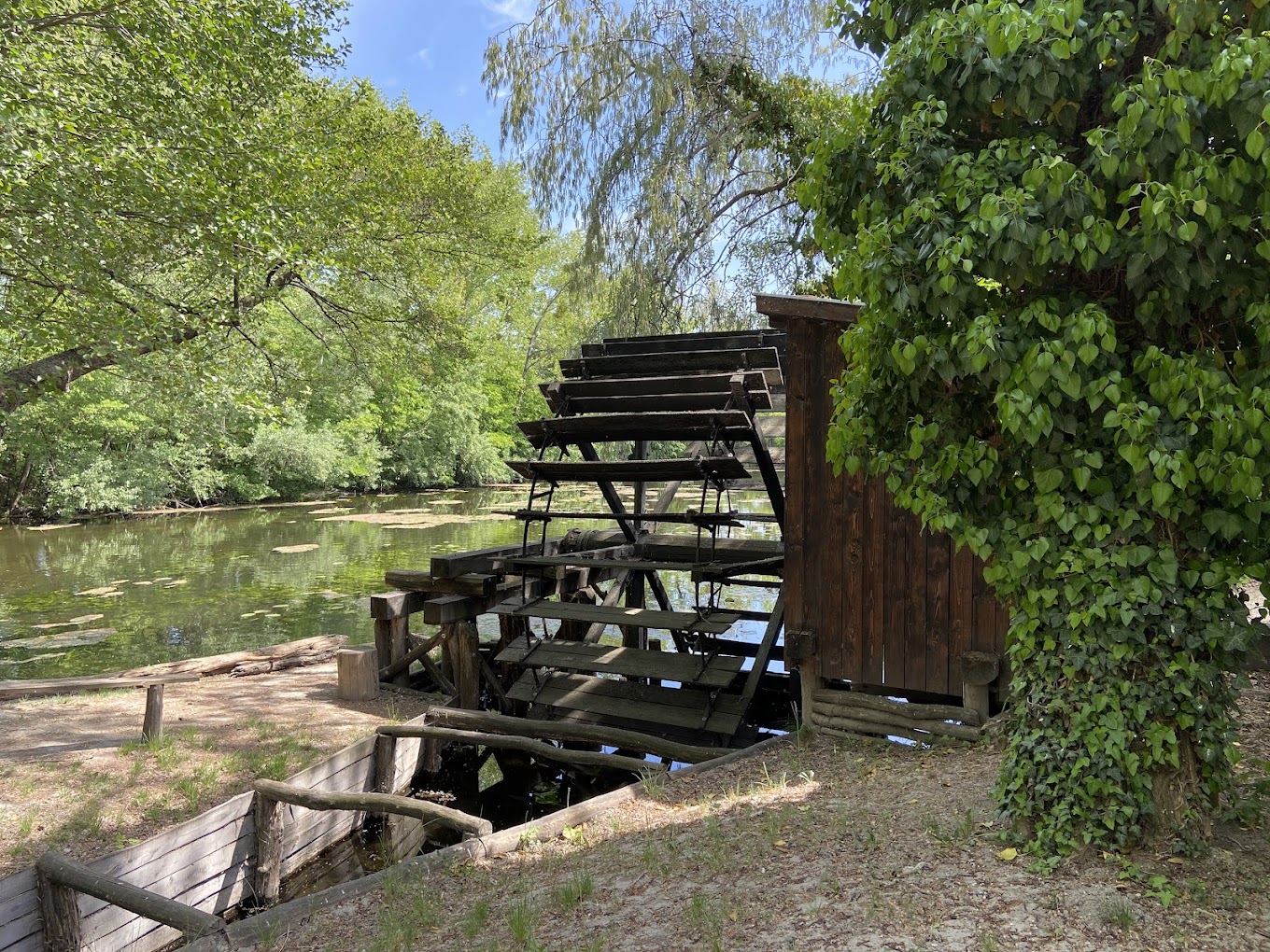
A hike along the trail will lead you to another interesting place, the Gessayov mills. The mill is an imitation of traditional watermill of total 11 mills on the Little Danube river in the past. The project was focused on creating a nature trail on the topic of water wheels and mills based on the memories of older inhabitants. Some were floating, some connected to the shore. This mill was named after the village of Gessayov (today Zalesie). Ignác Gessay was an important Slovak journalist in the USA, who contributed to the establishment of Czechoslovakia in the period after the First World War. The Gessayov mills are part of the Zálesie shipyard. During the main season, there is a small kiosk offering refreshment.
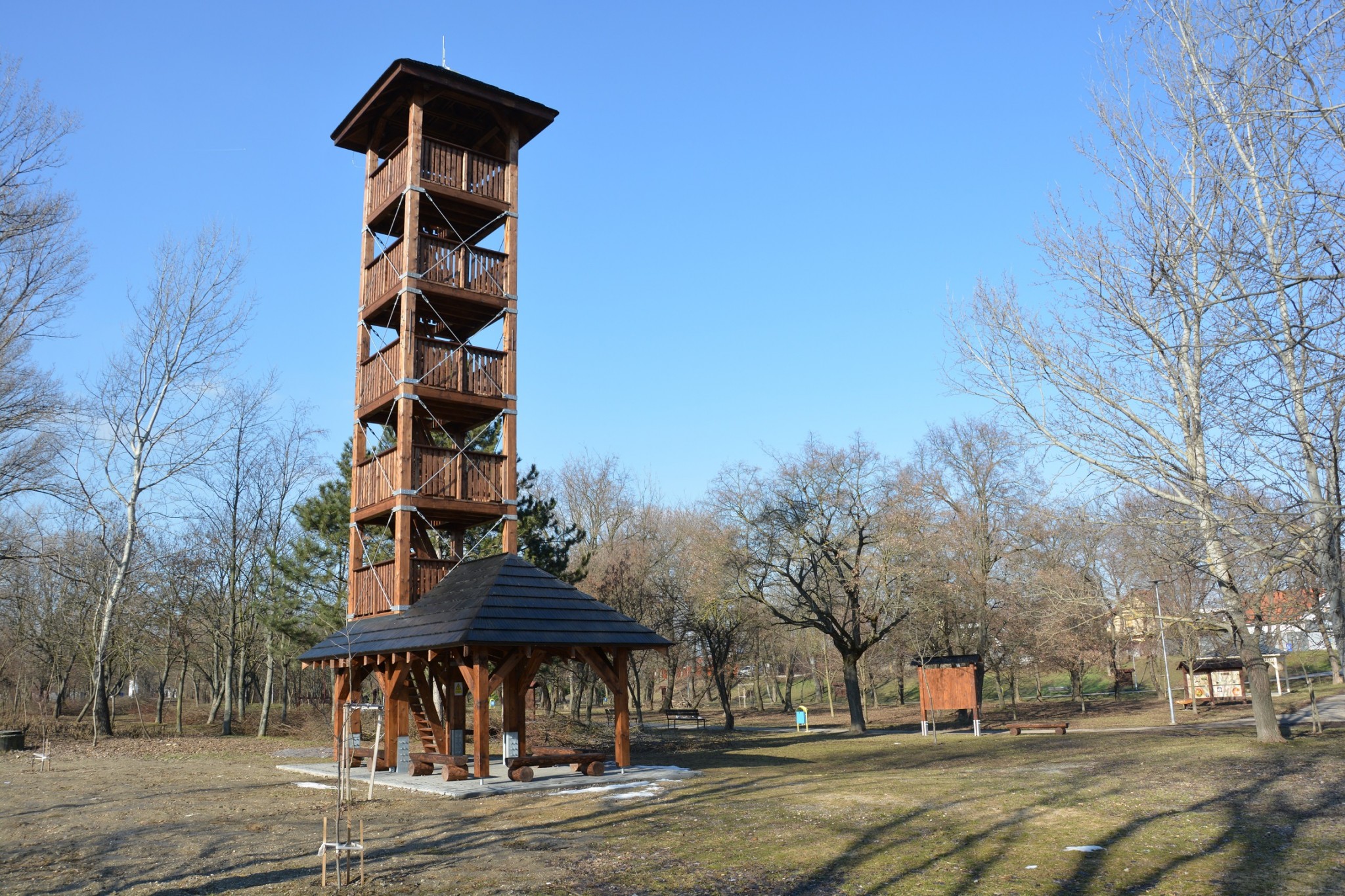
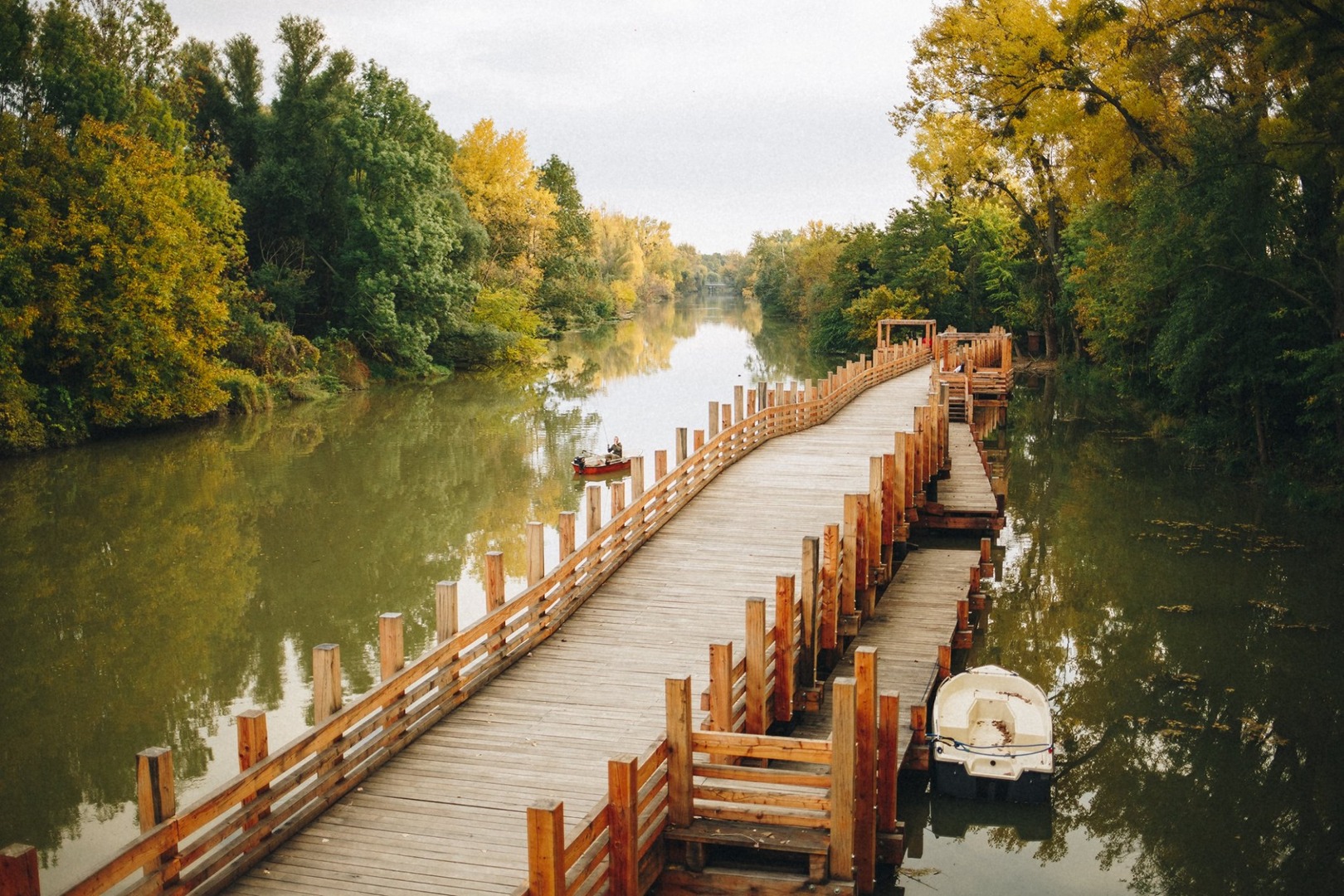
Near the pedestrian promenade, at the bus turning point, there is a small car park for 10 cars, therefore we recommend visitors use the regular bus connections of the Slovak Lines company (approx 40 minutes), or bicycle. The Korzo Zálesie project started as a recreational zone for canoers, cyclists and hikers. Not far from here, there is the Zálesie lighthouse, offering a beautiful view of the Little Danube.The lighthouse serves as a tourist observation tower, a point on the hiking trail and a cycle pathway. It is a lookout tower with a staircase and its top will provide a three-kilometer view of the river horizon in full beauty. A point of interest is that the lighthouse contains information boards on animals living in the surrounding environment. You can spot swans, ducks, a coypu or otter. A unique wooden promenade runs around the lighthouse – a walking space along the water, which enhances the experience of the river. The pier also includes small footbridges that serve canoers and
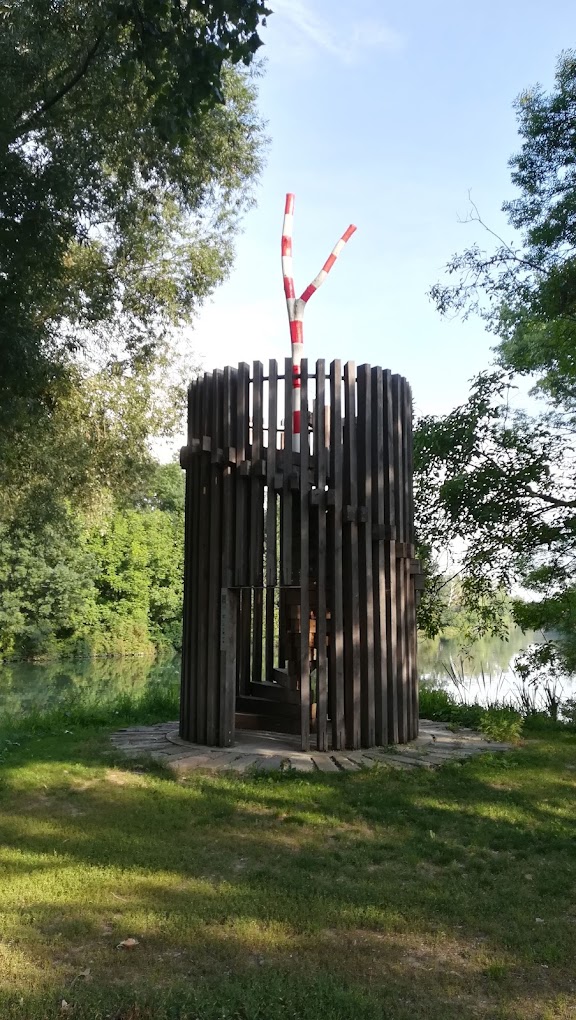
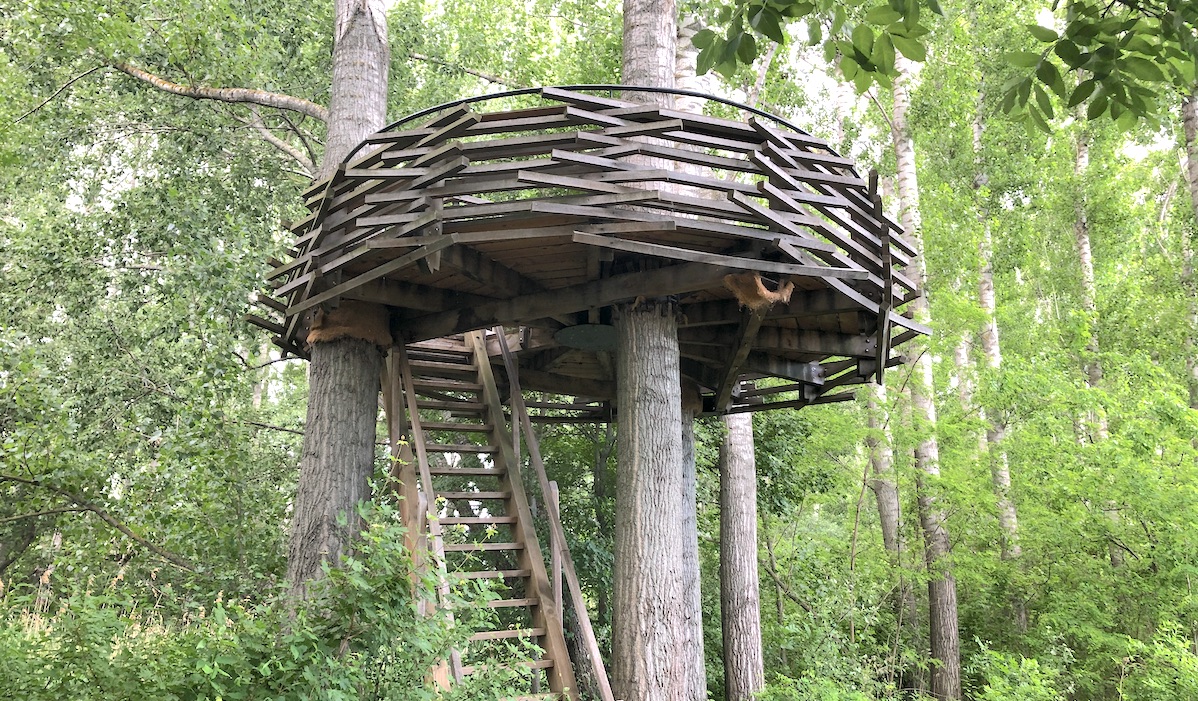
The natural lookout in the unusual shape of the bird’s nest provides a view of the flooded wetlands of the Little Danube. The recreational zone is appreciated mainly by families with children. This place has also become a favourite stopping point when canoeing down the Little Danube. From a height of 7 meters it is possible to observe flooded wetland floodplain forest, beaver dams, climbing hydrangeas, yellow irises and life of water birds in reeds. The wooden footbridge will lead you through the wetlands to the right bridge of the Little Danube, and after a few meters along the footpath you will come to the Green Oasis.
Recreation and relaxation area by the river, otherwise also known as the Green Oasis where the river arm is separated from the Little Danube. It is named after the “trough” - a ford that was nearby and provided a river crossing in the past During a trip canoeing down the river you can rest here at the large gazebo, wooden pontoon for kayaks, children’s climbing frames, the odd Beaver Castle and a new nature trail with information boards. “On the Right Track” nature trail. The nature trail also gives basic information on the Malinovo region, old fords across the Little Danube, water birds and animals living near the river and in the wetlands.
The left side afflux of the river, which stretches around the village of Ivanka pri Dunaji. It flows through a floodplain forest, creating impressive meanders and providing an amazing atmosphere by lining trees and bushes. It was named “White” as a distinction from the nearby Black Water river. This is a beautiful and quiet place, ideal for a rest or a pleasant campfire.
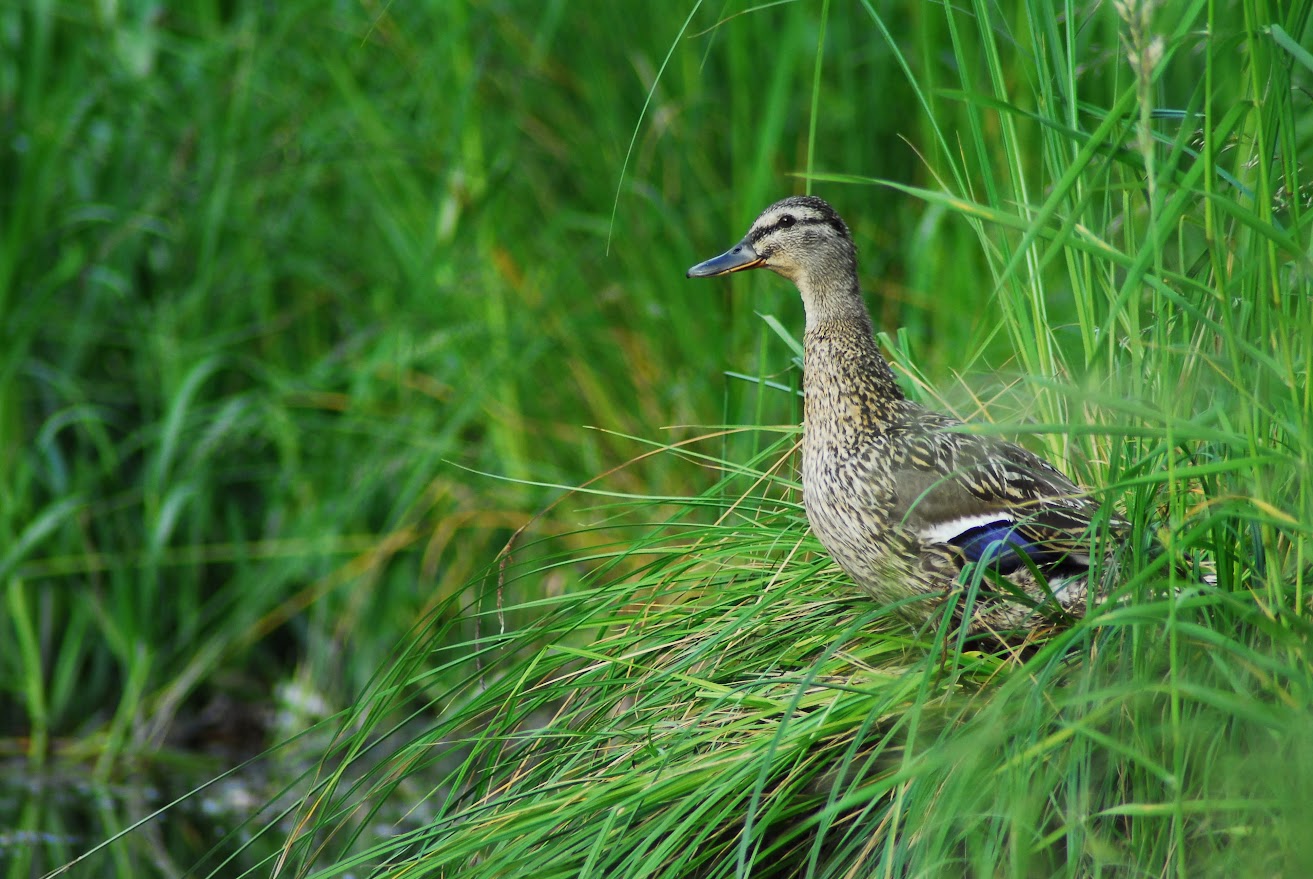
The dam with a small hydroelectric power station serves to regulate the flow of the river. It uses water energy to power Kaplan turbines, which produce 7 GWh of electricity yearly. It provides irrigation for the fields of the Rye Island and maintains a stable level of Black Water river. The dam is a place of nesting of water birds, especially the great swan, gray heron, mallard and moor bream. After a 2 km section from the Biela voda river, you will come to the dam behind the standing water, which you need to paddle across almost to the dam wall on the right side. On the right side of the dam wall you have to stop the boat and pull it up onto the bank and carry it over to behind the dam.
A popular boating place on the left bank of the river, just below of the dam. It provides canoeing, relaxation, camping and refreshments. The camp also offers boat and boating equipment rental. The operator offers a two-seater and three-seater canoes, boating equipment and twin-hulled canoes. There is also the boat transport service to the start and back from the finish. Following agreement, you can also arrange transport for the canoeists, or at least drivers, as part of the transfer of the canoes after the end of the trip. The camp has toilets, drinking water and a car park.
The place is located directly in the village of Tomášov, near the bridge connecting Tomášov and Nová Dedinka. You can access it by bike, public transport or by road, with the possibility to park your car. Nature meadow with access to the river and possible relax during canoeing. It provides the option of rest and camping, with refreshments in the near village.
The campsite Vlky is a favourite stopover for canoeists. You need to get out of the boat on the right bank of the river before reaching the island. Nature meadow with access to the river and possible relax during canoeing. It provides the option of rest and camping, with refreshments in the near village.
In the Little Danube and its vicinity, there live several types of interesting and rare animals in a habitat containing many types of plants and mushrooms.The meanders and the islands on the river provide a quiet place to spawning of the fish. Significant fishes are the big catfish, european pike, danubian pike, northern pike, barn, perch and the crucian carp.
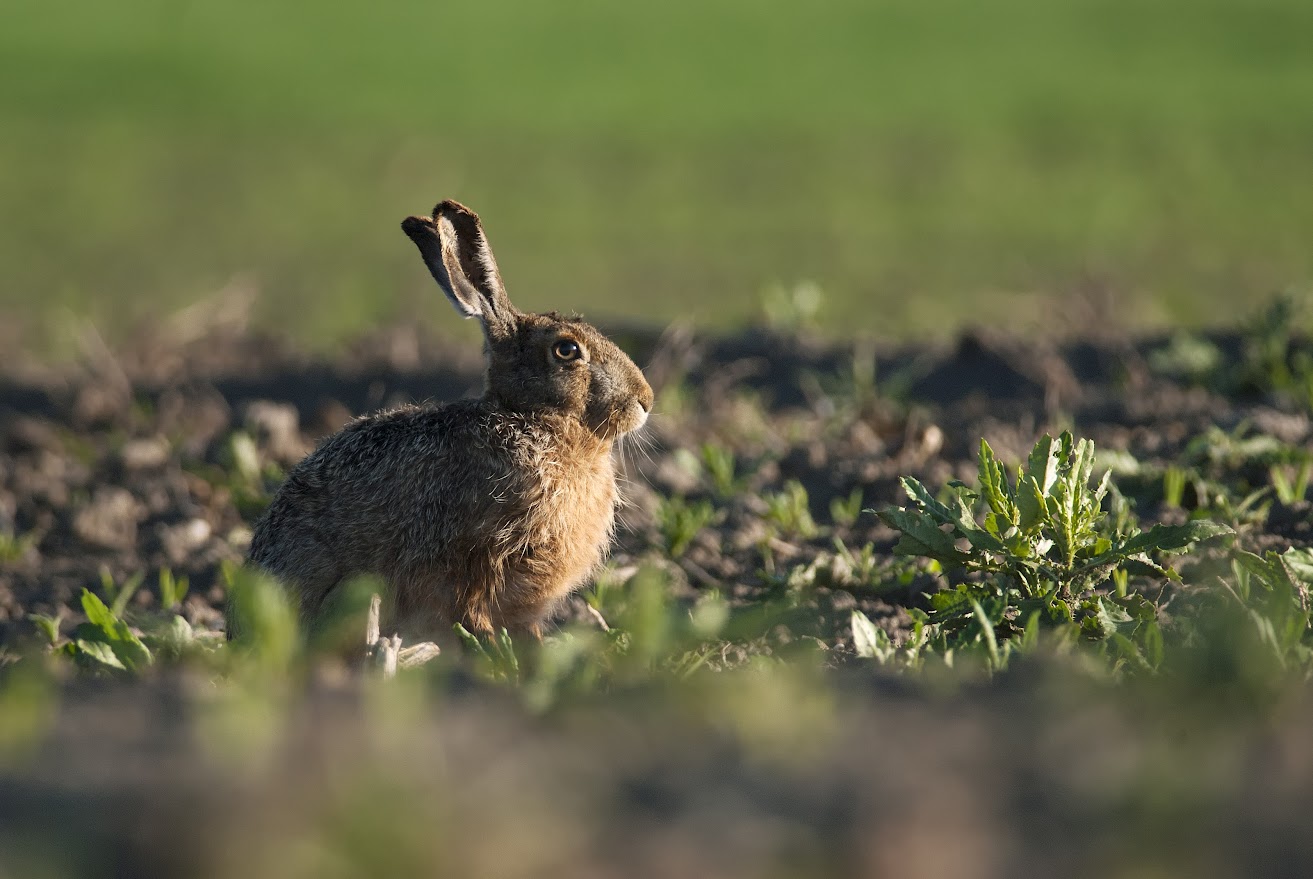
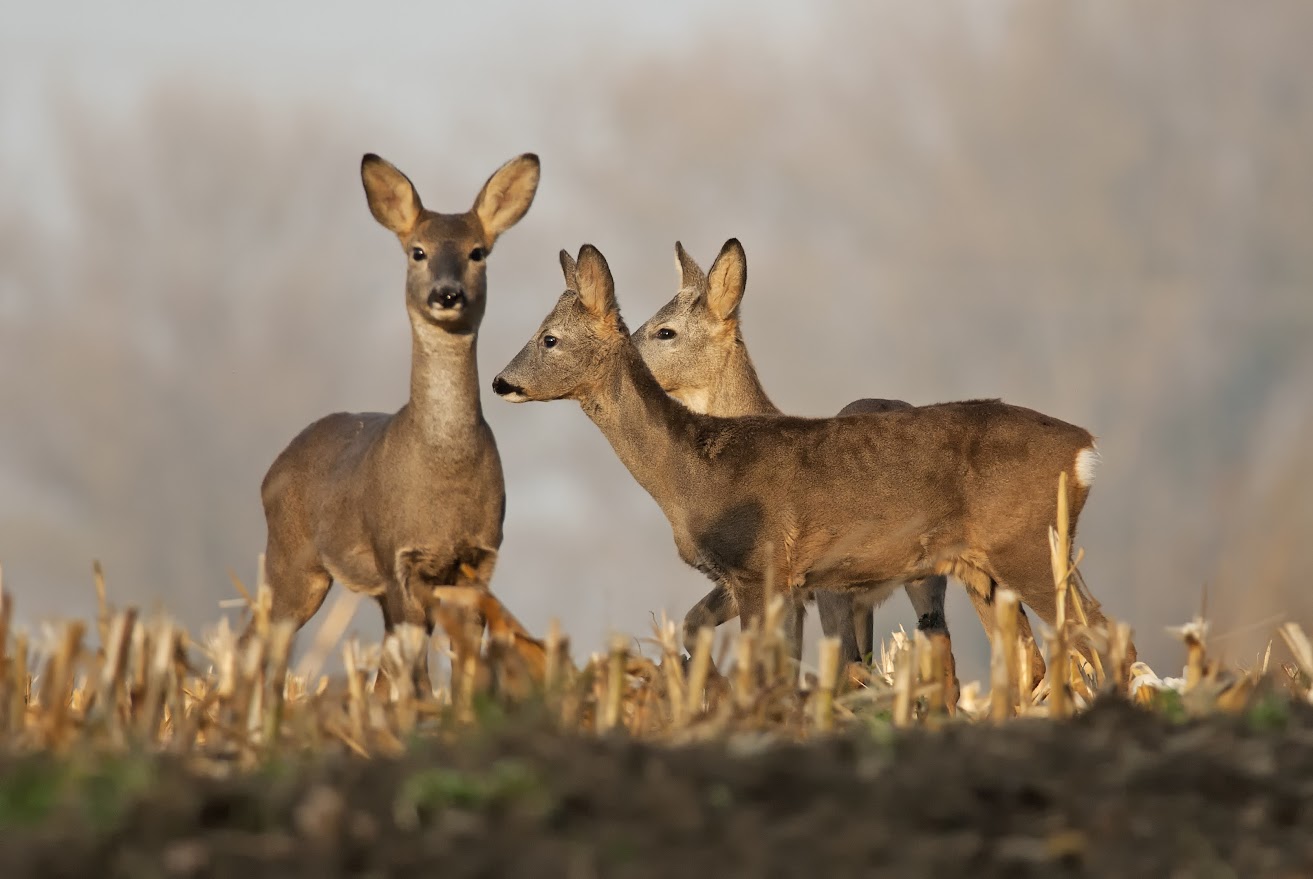
The river arm is a remembrance to the time when it was not yet a regulated river. There were three watermills on the afflux until 1860. At present, the river flow is insufficient, but the beautiful forests is perfect place for roe deer, pheasants, rabbits and wild ducks.
If you are interested in botany, well, you will feel like in heaven here – in spring the frequently flooded wetland forest takes on the atmosphere of a tropical jungle. The local soils benefit from the nourishing floods, thanks to which many types of plants grow here: in particular the softwood plants such as white willow, silver poplar, common alder and black locust. The growth density and presense of shrubs makes some parts of the terrain impassable. Among the shrubs you can see elderberry or
common dogwood. Nature meadow with access to the river and possible relax during canoeing. It provides the option of rest and camping.
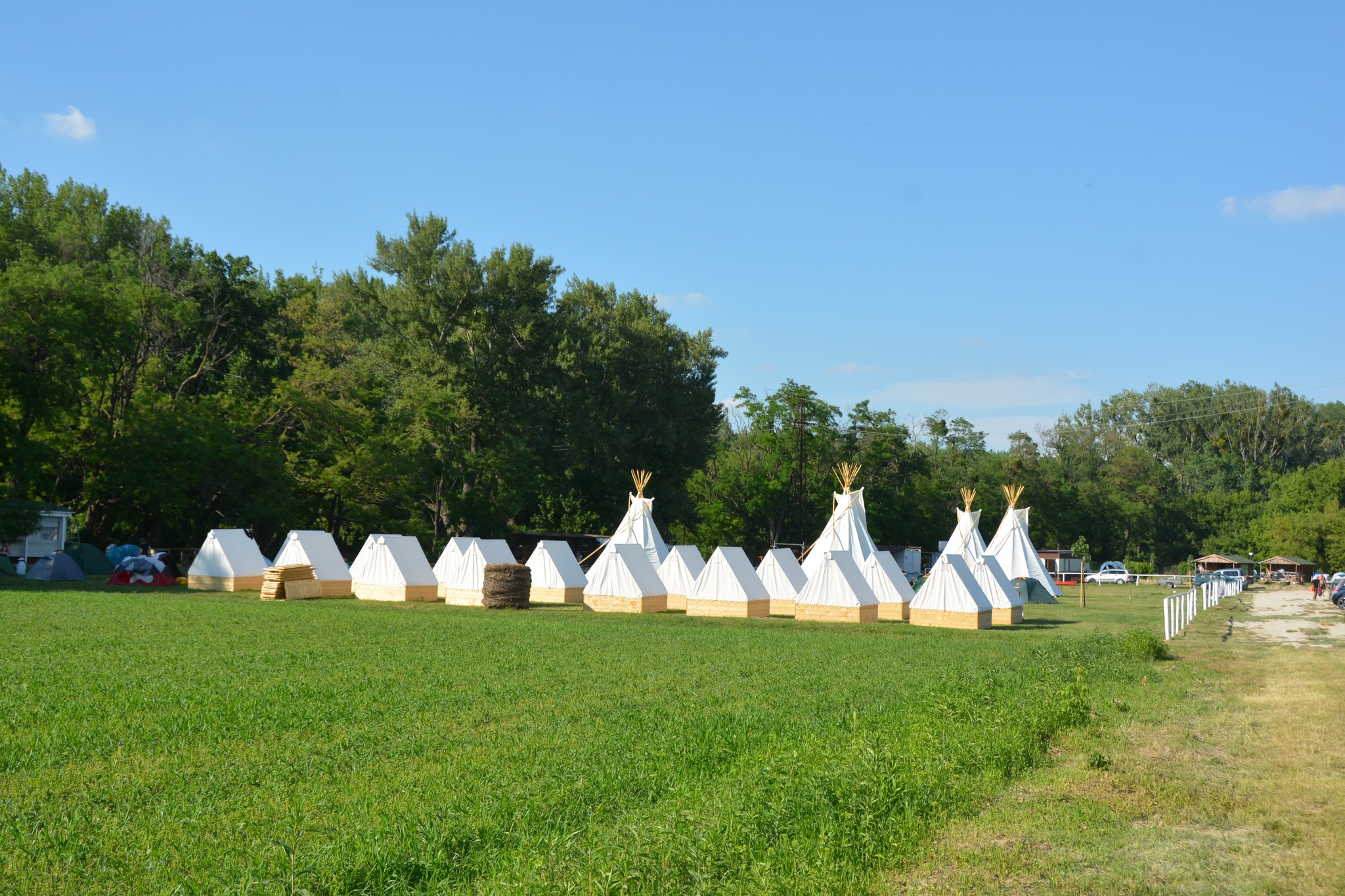
Well-known canoeing stop on the right river bank, which provides the possibility of relax, camping and refreshments. The camp also offers boat and boating equipment rental and the possibility to stay overnight. Interesting are teepee tents in which you will experience the true Indian atmosphere.
The Ister is the entry point to the Jelka village by river. Around the village, the Little Danube curls a total of eight meanders, more than 15 km in length. It provides a place for access to the river by boat and relaxation. The nearby restaurant provides meals and accommodation. The Ister Jelka bed & breakfast facility offers standard accommodation, local cuisine and parking, as well as services for canoers.
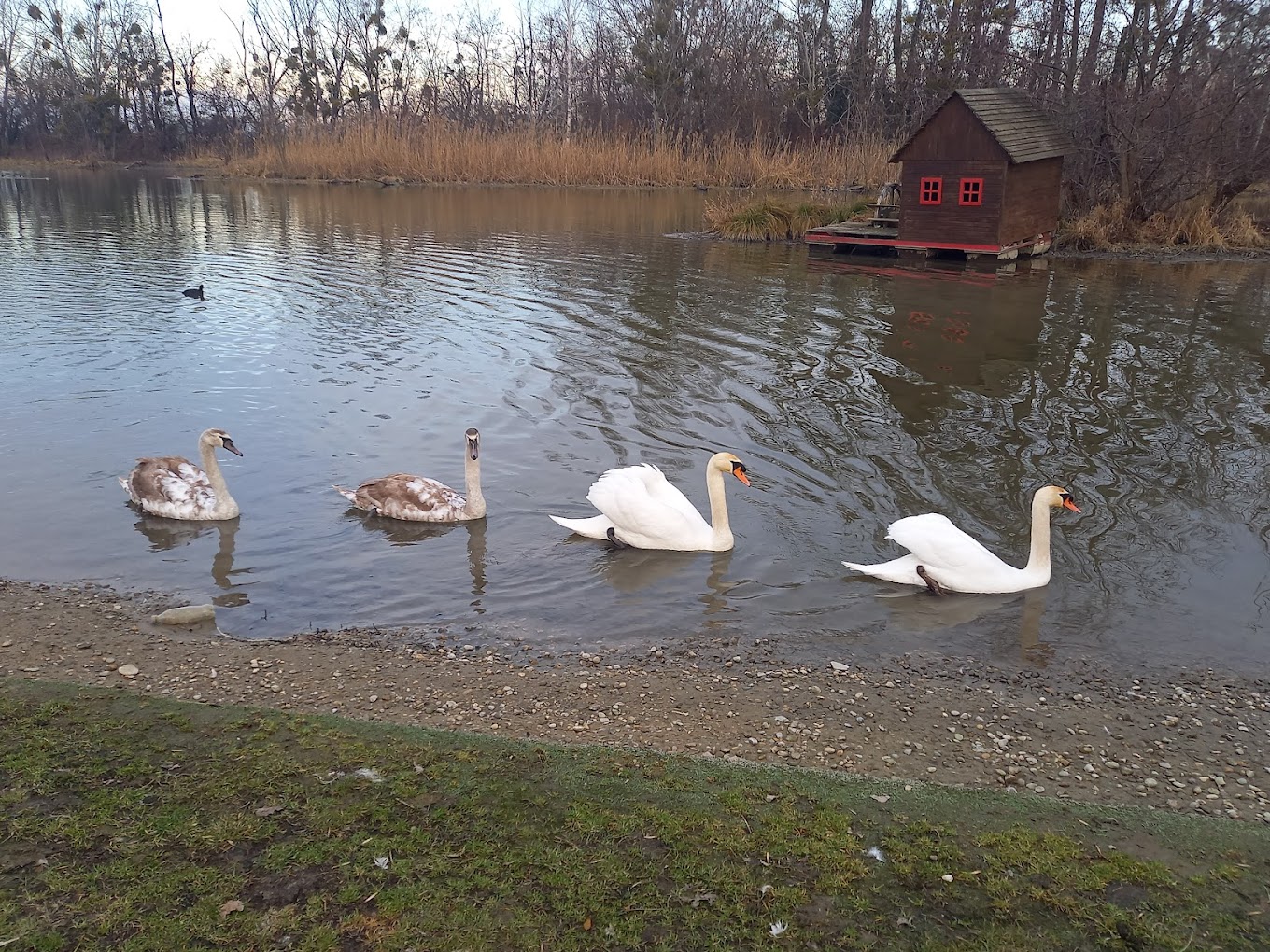
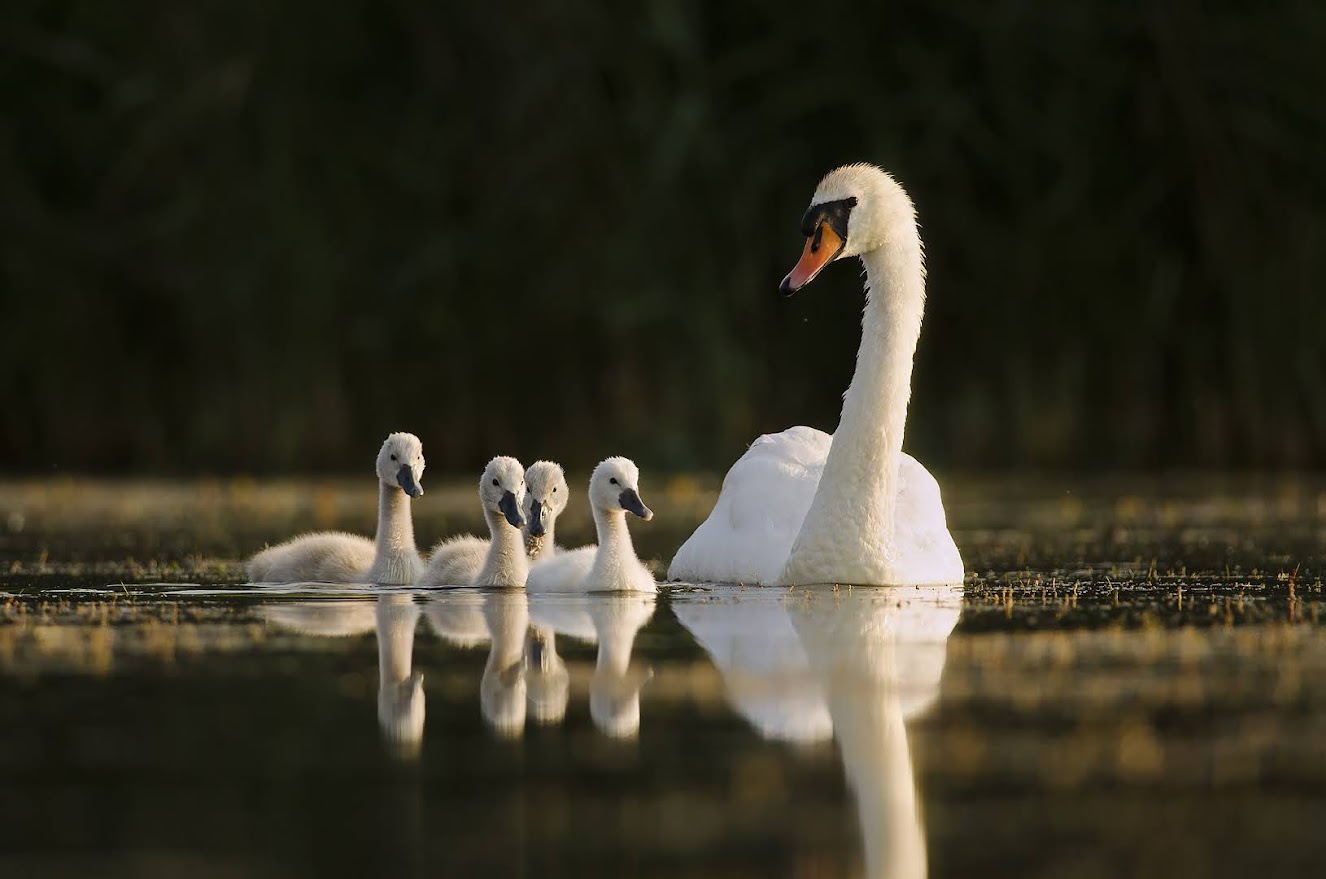
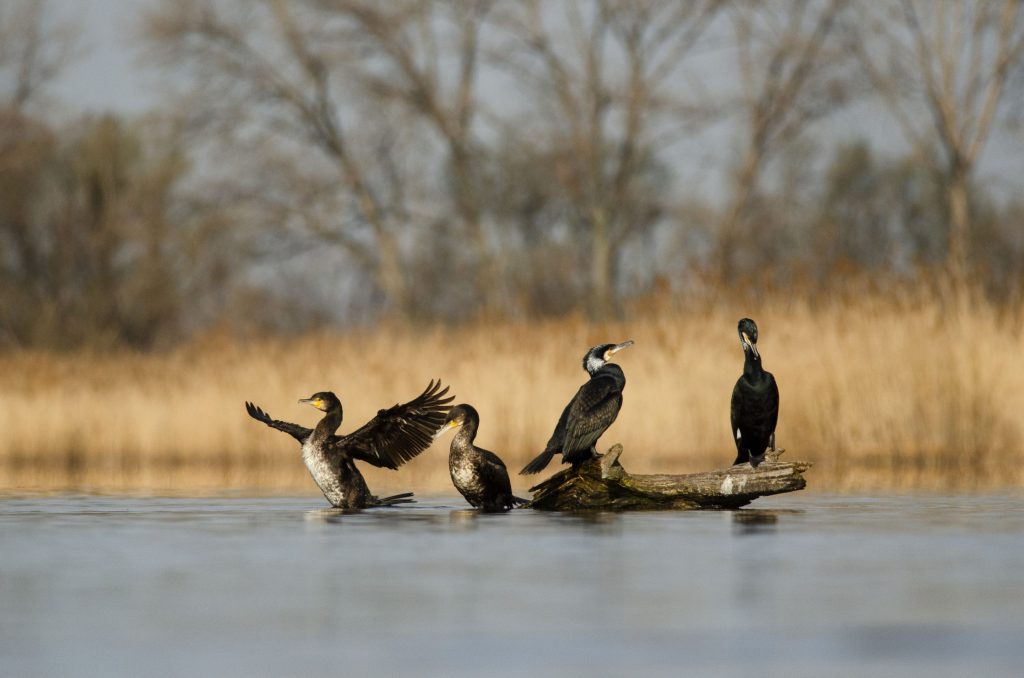
Numerous places on and around the river have an animal names. Several rare and protected animal species live in and around the Little Danube. From mammals are represented by the european otter, muskrat and water nutria, while the birds include the great swan, heron, white stork, river-fish, duck. Amphibians occurring in the area are mainly the Common Frog and the Green Frog.
The watermill is a beautiful and unique monument of the Little Danube. In 1905 it was rebuilt from floating mill to wheeled. After a recent reconstruction is open for visitors in full beauty, alongside with a watermill museum. The mill is situated in a pleasant environment with the possibility of refreshments, camping and sports and water activities, and the possibility to park the boats and canoes.
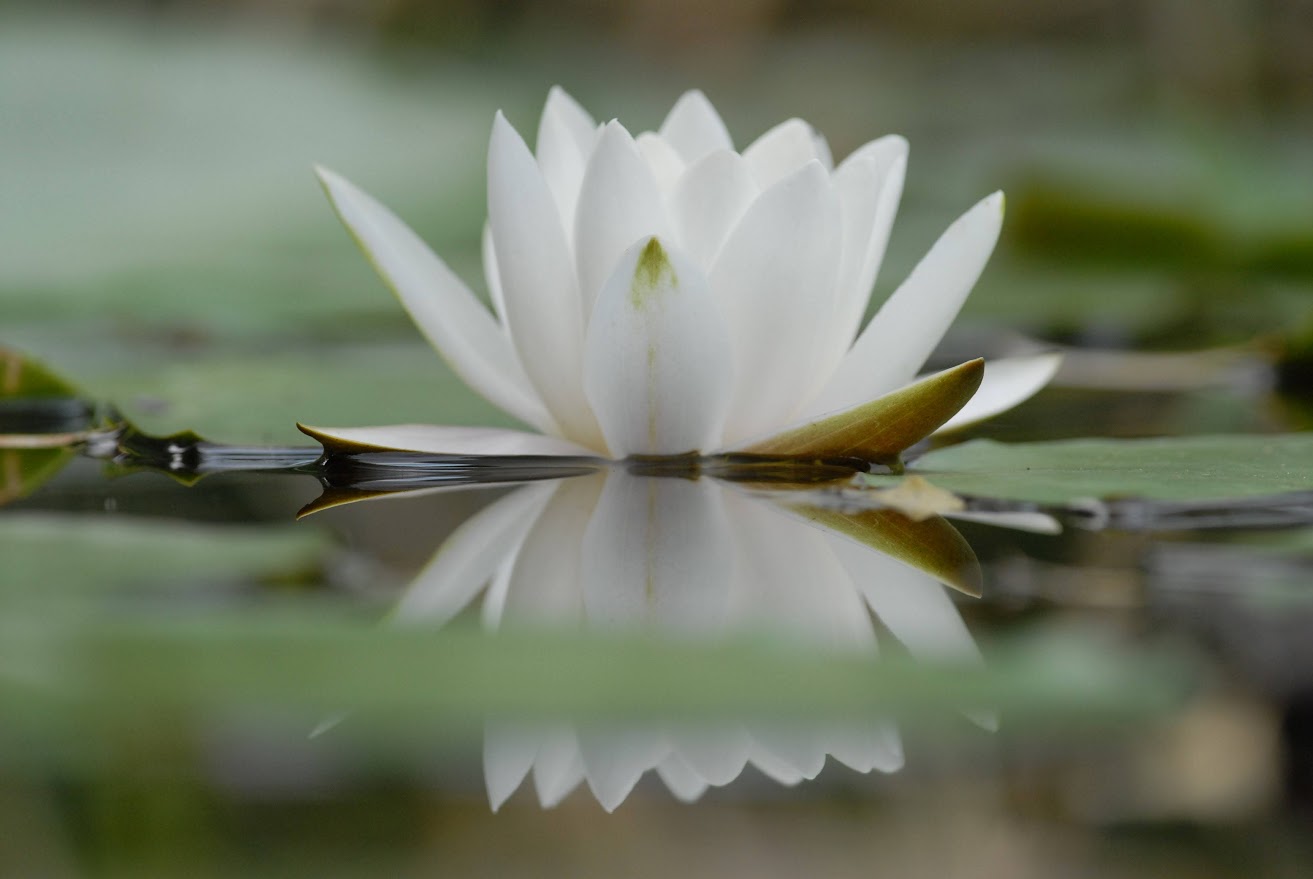
The floodplain forests around the Little Danube are semi-natural and mostly form only narrow strips along the river stream. The original forest can be found very rarely. The natural forests include mainly willow-grass floodplain forests, poplar and bristle ash trees, and oak-hornbeam forests. Fauna enthusiasts will delight in the climbing hydrangea. Water lilies flourish in the slow flowing parts of the river. The water surface is coloured yellow with the flowers of their yellow water-lily, with its floating round leaves.
Recreation center with camping and sports area. Favorite place during canoeing for fun, relax and sleeping. The camp also offers a restaurant, accommodation in a guesthouse, an outdoor swimming pool, a hot tub and boat rental. The surroundings offer possibilities for hiking, cycling, playing tennis, football or beach volleyball, directly on the bank of the Little Danube.
The main tree species growing around the Little Danube river are white and black poplar trees, willow brittle, slender ash, non-native pied ash and alder. Shrubs, hawthorns, bloody candles and climbing ivy are also rich represented. The banks show displays of the spring blooming and protected yellow irises. The growth of common reeds, sedges and cattails cover the banks of the river and its shallows. The banks have also created grounds for invasive species – Canadian goldenrod, panicled aster
and Bohemian knotweed.
A beautiful small family camp on the banks of the Little Danube, developed especially for paddlers in the summer season. Possibility of camping, organizing corporate events and family celebrations. There is a drinking water, kitchenette with refrigerator, microwave, kettle and basic utensils. Of course there is a flush toilets, showers with hot water and sorted waste. We recommend that you book your spot in advance.
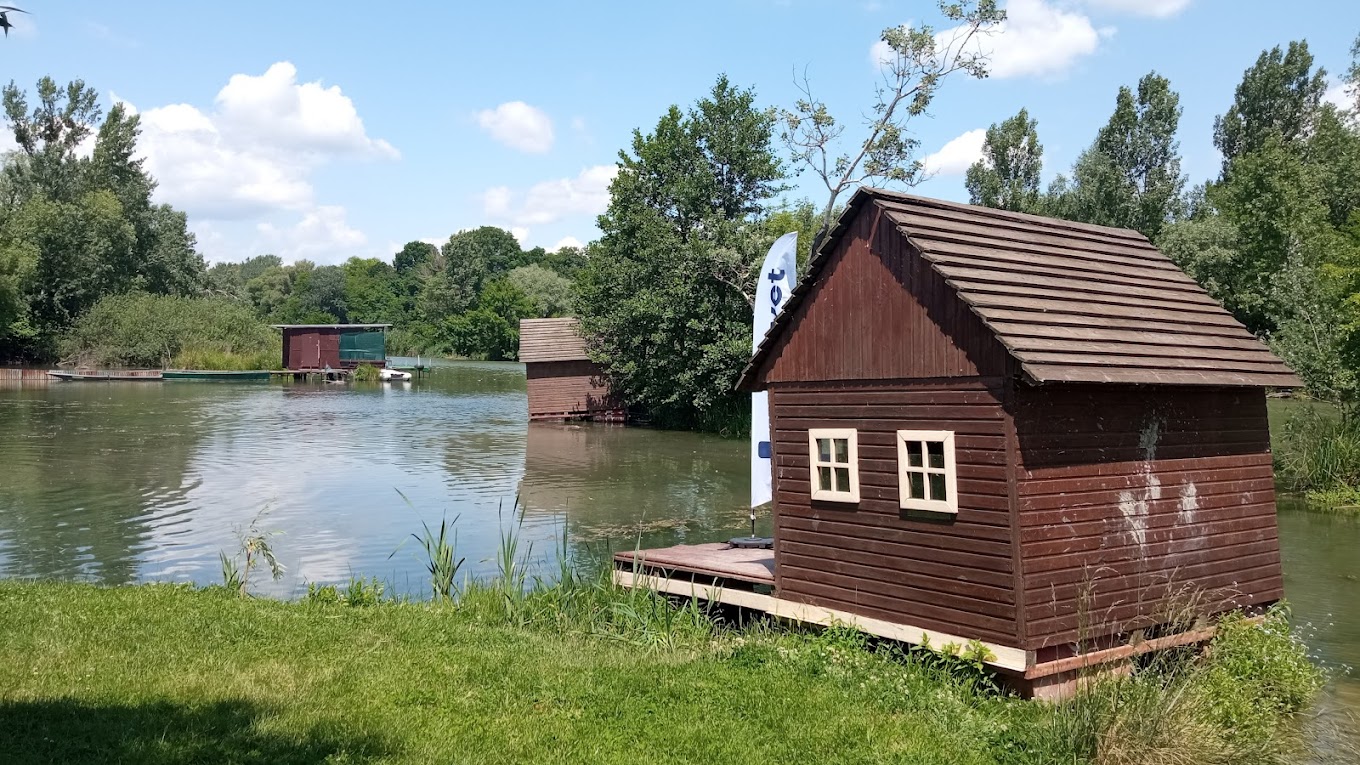
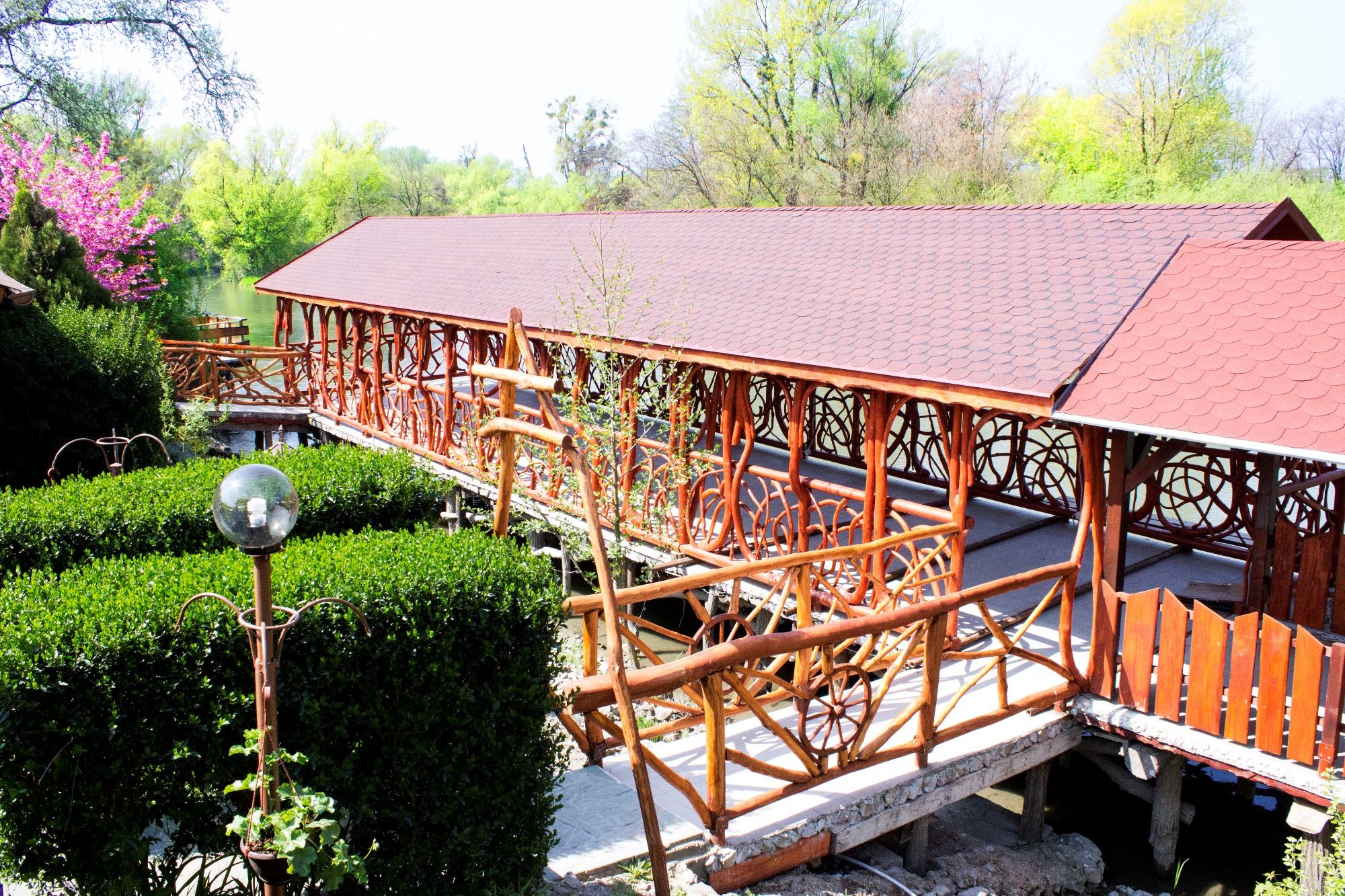
Unique afflux of the Little Danube, with a quiet cove, clear water and beautiful water lilies. It provides the opportunity to relax in the original wooden shelter, which is built directly above the water.
A place where the waters of the Alps meet, flowing through the Danube and the Little Danube and the Little Carpathians, brought by the Black Water (Čierna Voda) River. Its flow through ten villages and two counties, 113 km in total. It brings its typical dark coloring from the Sur Forest at Saint George village, which also remembers the prehistoric period.
Dam with a small hydroelectric power station is the last obstacle of the river on its next road to the Vah river. The benefit is the production of almost 7 GWh of electricity per year produced by the Kaplan turbines. Stagnant water and the nearby Black Water river are nesting places for waterbirds.
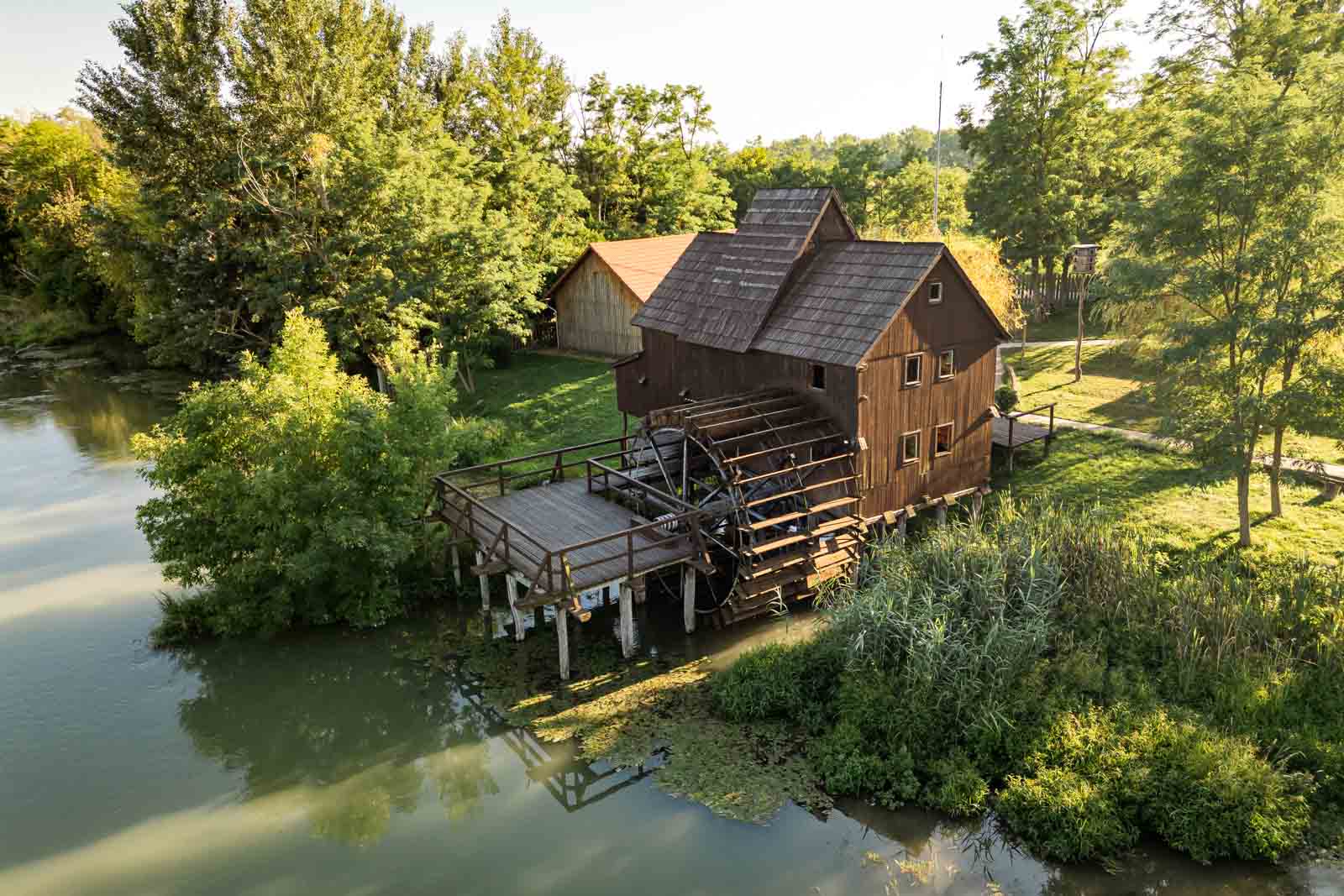
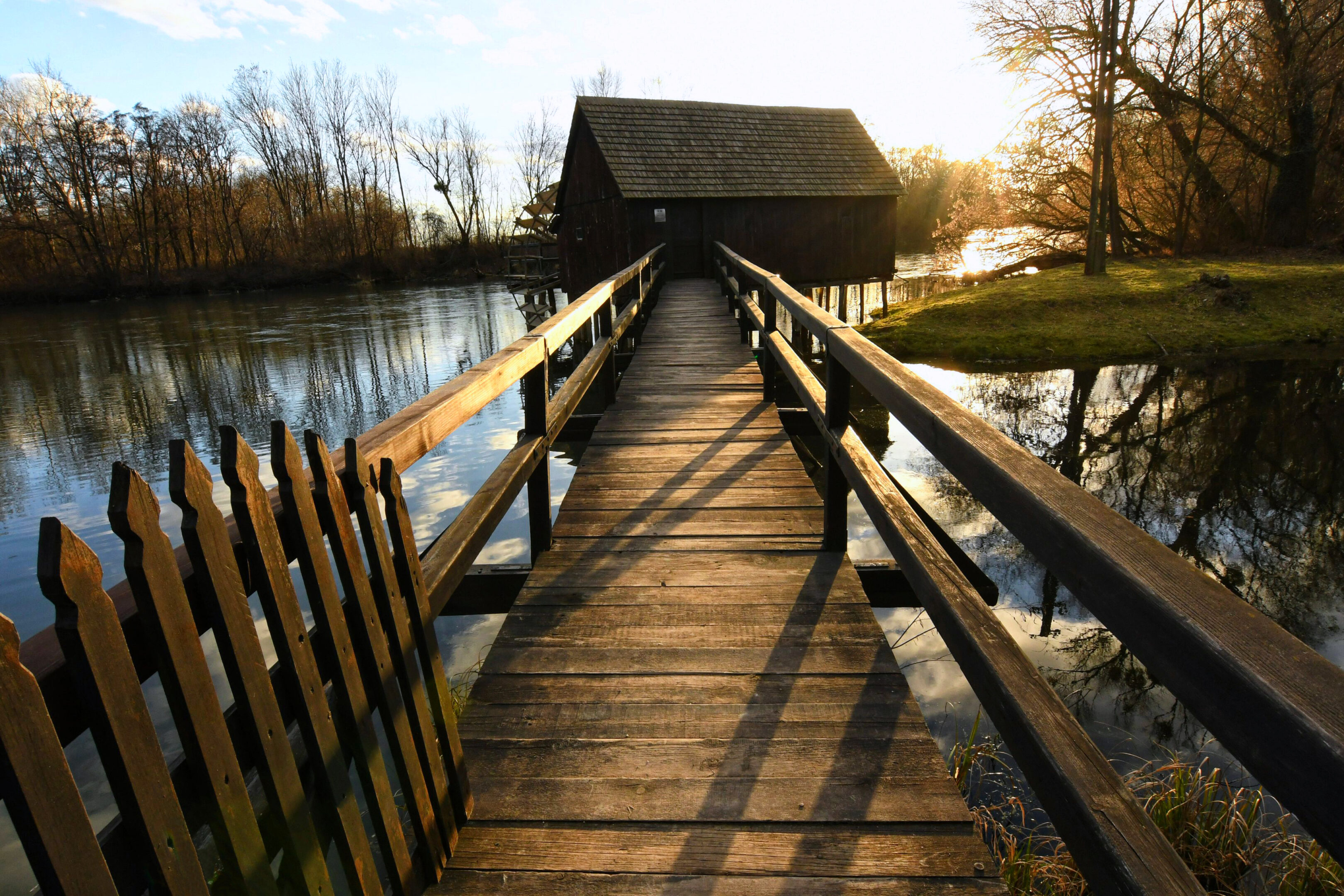
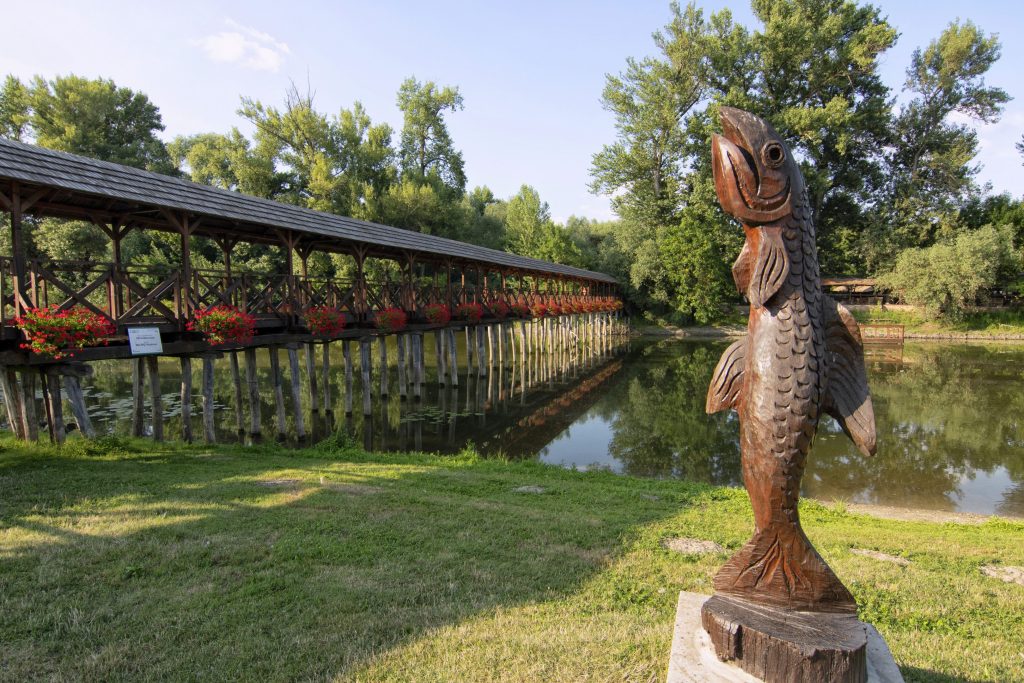
Built on acacia wood pillars and a large paddle wheel for groundwater, the mill is still functional. It was built at the end of the 19th century and inside is the original interior with milling tools. Near the mill is the possibility of camping. It is accessible from the bank on a footbridge with railings. It is possible to park boats and canoes near the mill, or possibly set up a camp and go for a swim. The restaurant serves traditional meals. The location is easily accessible by car, bus and bike. It is located roughly 2 km away from the Tomášikovo village. Today it serves as a part of the Homeland Studies Museum in Galanta and is a memorial to folk milling.
Not far from the village of Tomášikovo, in a beautiful natural environment by the Little Danube, there is a the unique lake, surrounded by trees, is separated from the river by a shore where you can anchor. The lake’s banks are well-kept, offering crystal clear water and summer swimming. The area provides refreshments and toilets, beach volleyball grounds and
children’s playground. In the summer months there are discos, concerts and other open-air events.
Leisure canoeing place on the left bank of the river, directly in the village Jahodna. It provides boarding, relaxation, camping and refreshments. The camp also offers boat and boating equipment rental.It offers multiple activities in the vicinity: cycling, fishing, diving, horse riding.
Jahodná was once famous for its milling craft and it would be a great pity if there were no traces preserved of its famous era. One of three preserved watermills on the Little Danube. There were 11 in total in the past but only one has been preserved. The mill was built in the late 19th century. For some time it also served as a sawmill, and later also produced electricity, which illuminated the whole village at that time. The mill bears the name of its former owner Maticza. Originally it was a floating
boat mill, later to be reconstructed on a water wheel mill standing on poles near the lake bank. Today it is a cultural monument.
Favorite place during canoeing. The restaurant is open during all year and offers delicious traditional dishes. Nearby is a guest house and a camping place. Nearby there is a bed-and-breakfast facility, Egri, as well as a tent camping site. Alba Régia has its own fishing club with a motto “CATCH and LET GO” wage annually announces the best fisherman - the “Danube King”. Nearby
the restaurant there is a wharf, boat rental, children’s playground or a place where you can have a swim. The From Mill to Mill nature trail will give you a lot of information about watermills, flora and fauna and natural beauties. Thermal baths are also nearby.
The floodplain forests around the Little Danube usually form narrow strips along the stream, but in some places large original oak-brest-ash forests remained. Roe deer, deer and fallow deer are abundant in them. Wild boar and fox are also widespread. A lot of rabbits and pheasants are staying in the draws of agricultural land
Nature meadow with access to the river and possible relax during canoeing. It provides the option of rest and camping. Not far there is the Kemp Topoľníky, positioned at the confluence of the Little Danube and the Klátov distributary, in the eastern part of Rye Island. The place is among the most visited spots in Rye Island. It is thanks to the thermal bath near the Little Danube distributary, which offers bathing in three pools with a water temperature of 36°C. A thermal bath with caravan campsite is located in a nice environment near the Little Danube.
A technical cultural monument, the watermill in Dunajský Klátov, sits on the bank of the Klátov offshoot of the Little Danube, in the cadastral territory of the village of Dunajský Klátov, district of Dunajská Streda. It is a typical example of a watermill built on slow flowing water. The afflux is the only right tributary of the Little Danube. It rises from the ground and in a long stretch almost copies the flow of the river. Its waters are crystal clear, full of fish and shells, with the highest degree of nature protection. It is reachable to the swimming pool Topolniky only, other parts of river for permission only and in time outside the
nesting of birds.
The channel is one of the three main channels crossing the Rye Island. It establishes a direct link between the Little Danube and the Danube. It is part of a network that serves for drainage at high water levels and to provide irrigation. Rye Island is a unique natural storage area of groundwater. Below ground there are roughly 10 billion m3 of high-quality drinking water, constantly supplemented with seepages from rivers. And Rye Island ranks among the most fevrtile areas of Slovakia.
Black Water (Čierna Voda) river is the first and last tributary of the Little Danube. The attribute “old” got according to the original trough, which washed. It brings water from the Little Carpathians and Dudvah, which springs up at the Čachtice Castle. It creates an amazing atmosphere.
Pleasant resting place during the canoeing. The lake separated from the flow of the Little Danube provides undisturbed space for a good fishing. On the shore is a snack, offering fresh fish specialties.
The Little Danube transfers its water to the Váh river. After covering its nearly 130 river kilometers, it enters the mouth, which, together with Vah, forms the boundary of the largest inland river island in Europe - the Rye Island. We consider it a huge alluvial cone, created by Danube downstream from Bratislava at a time when the river was cutting its course through the Little Carpathians and entered the descending Little Hungarian Plain.