Currently, Veľký Meder is known primarily for its thermal water; the thermal baths and thermal park located here are a popular recreational spot for both local and foreign tourists. The town boasts a rich history, with perhaps the most famous legend associated with Matthias Corvinus, which intertwines with the city’s history.
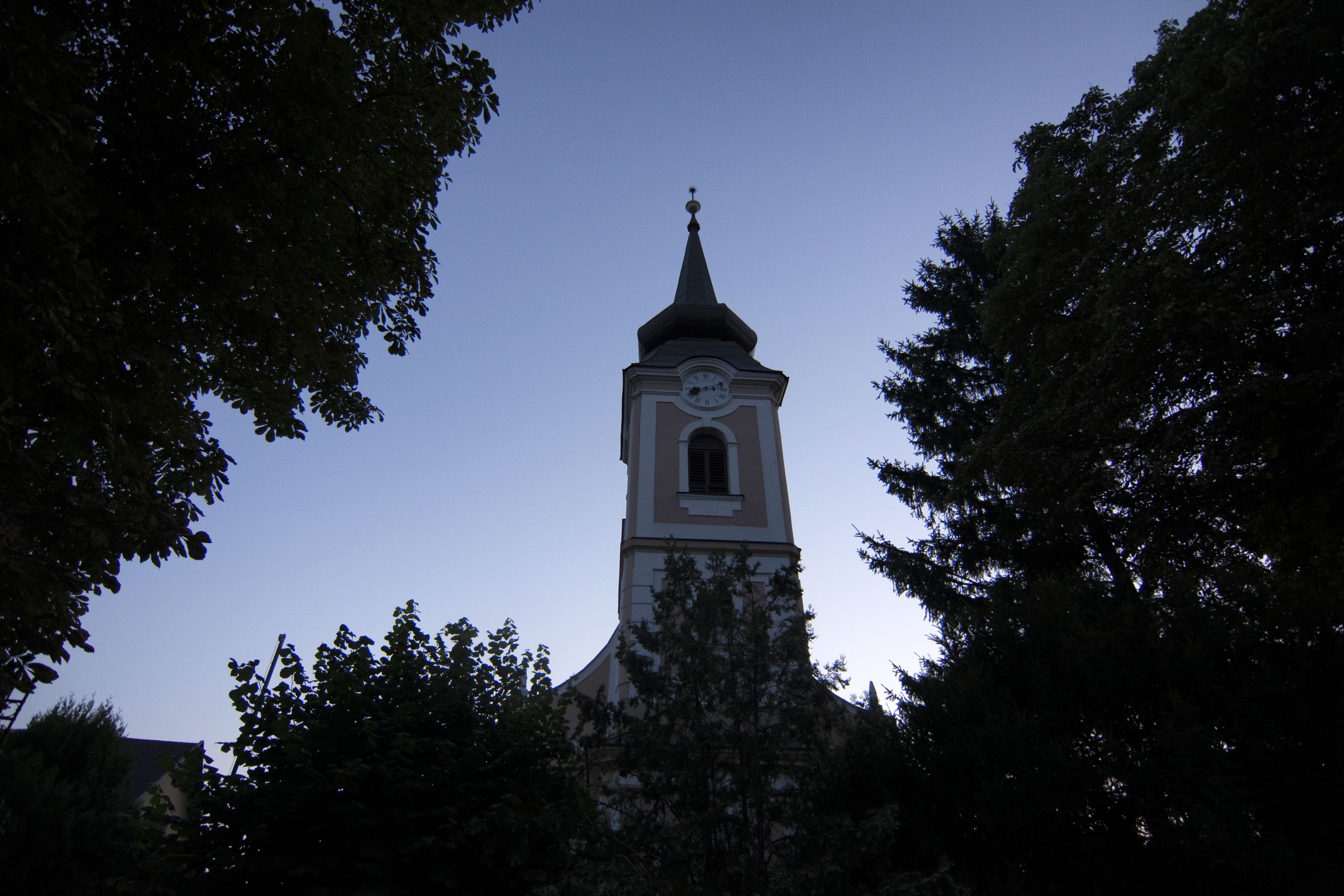
The Church of the Reformed Christian Church was built in the Baroque style in 1784, with its tower completed in 1801. In 1838, its clock was finished, but it was stopped in the 1960s due to damage to its mechanism; however, it was restored and put back into operation in 2013. In close proximity to the church stands a monument erected in honor of the 530th anniversary of the granting of privileges to the town, topped with a raven from the coat of arms of Matthias Hunady.
After the communists took power, he could not continue his activities until 1990, when he was able to resume his business. He could only return to his craft after the communist revolution in 1990, when he could once again engage in entrepreneurship. He resumed the production and sale of confectionery in a renovated pastry shop in Veľký Meder, where he operated until 2009, when he passed on his craft to his sons.
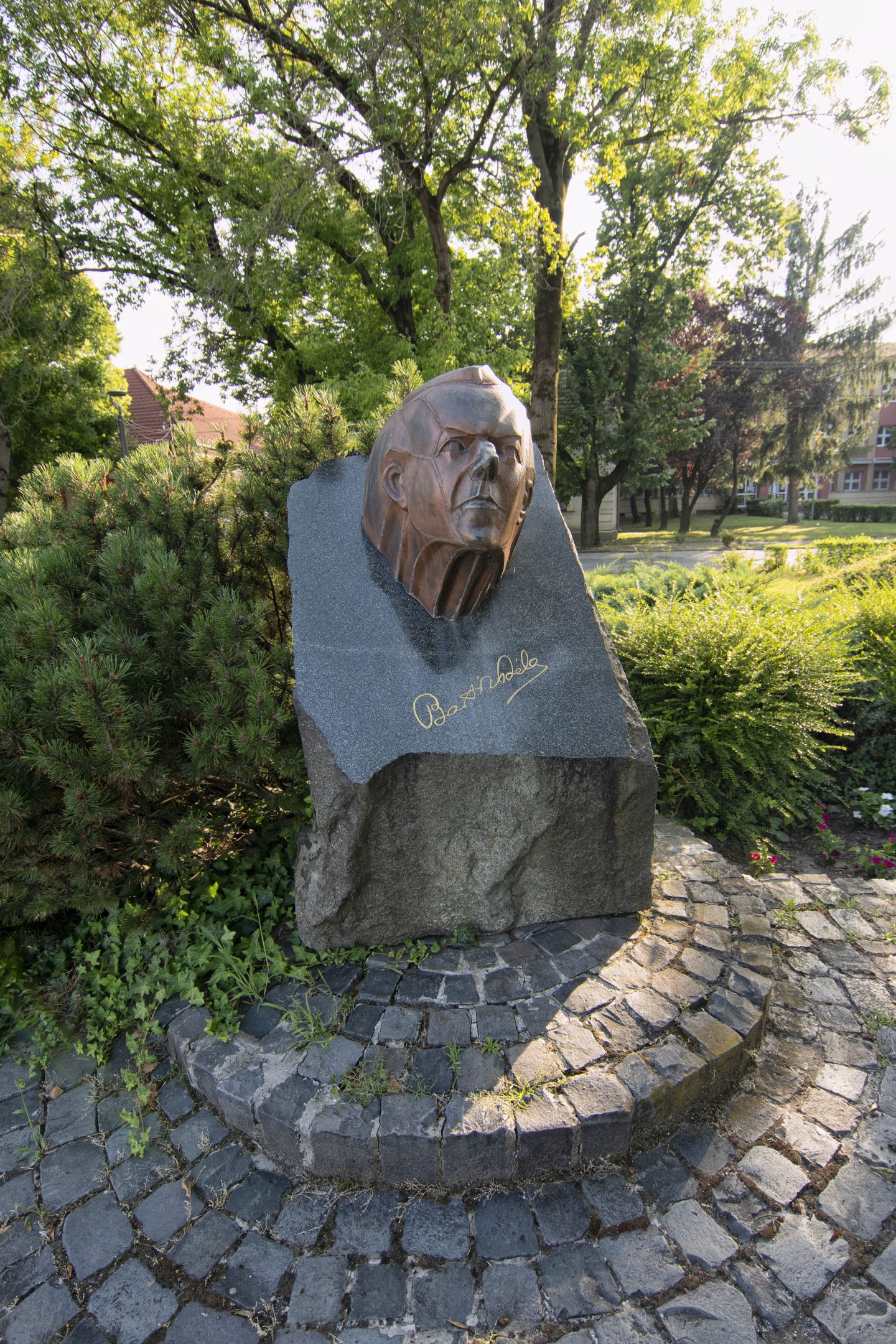
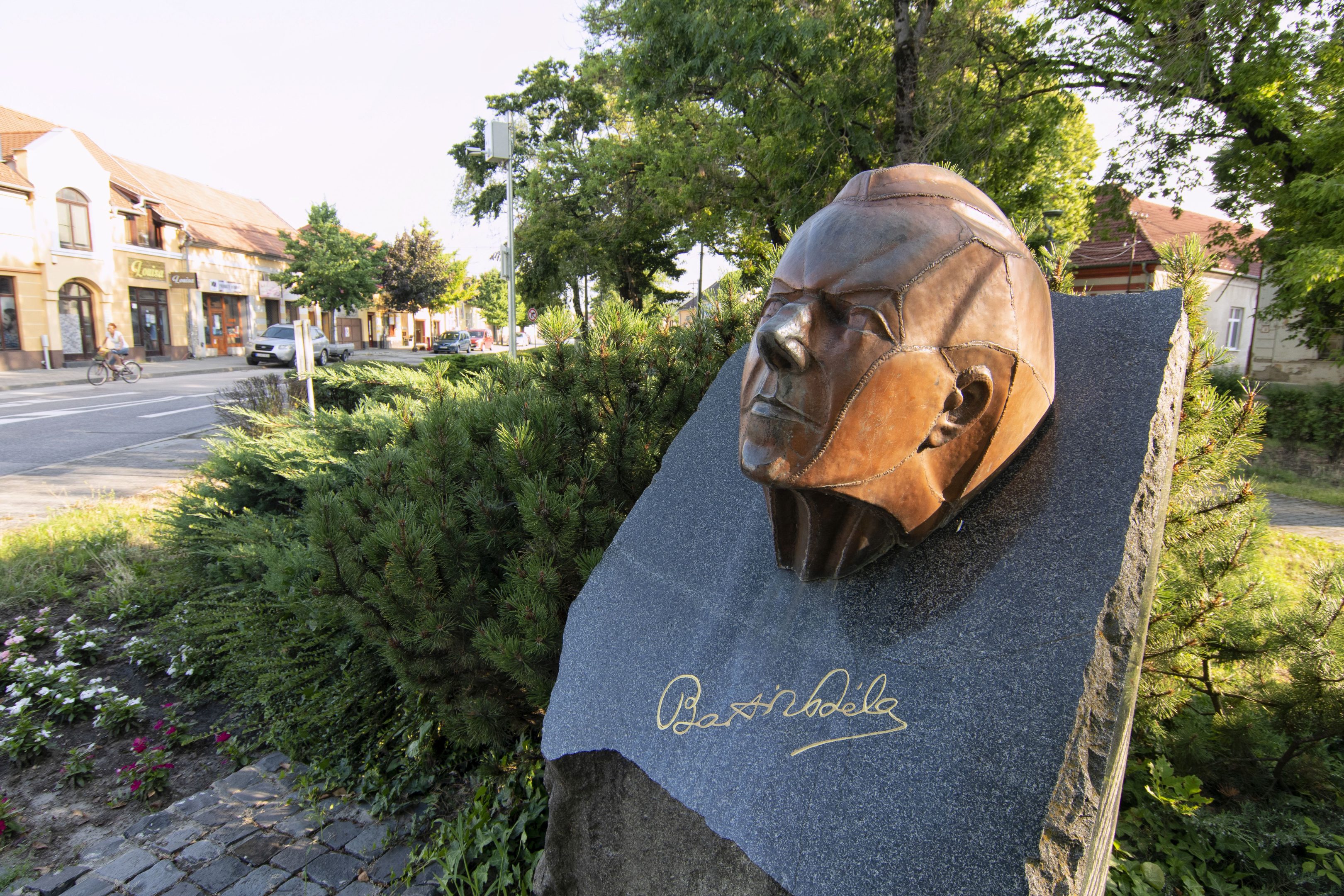
The bust, located in the main square of the town, was erected in honor of Béla Bartók, a pianist and ethnomusicologist, and one of the most significant composers of the 20th century.
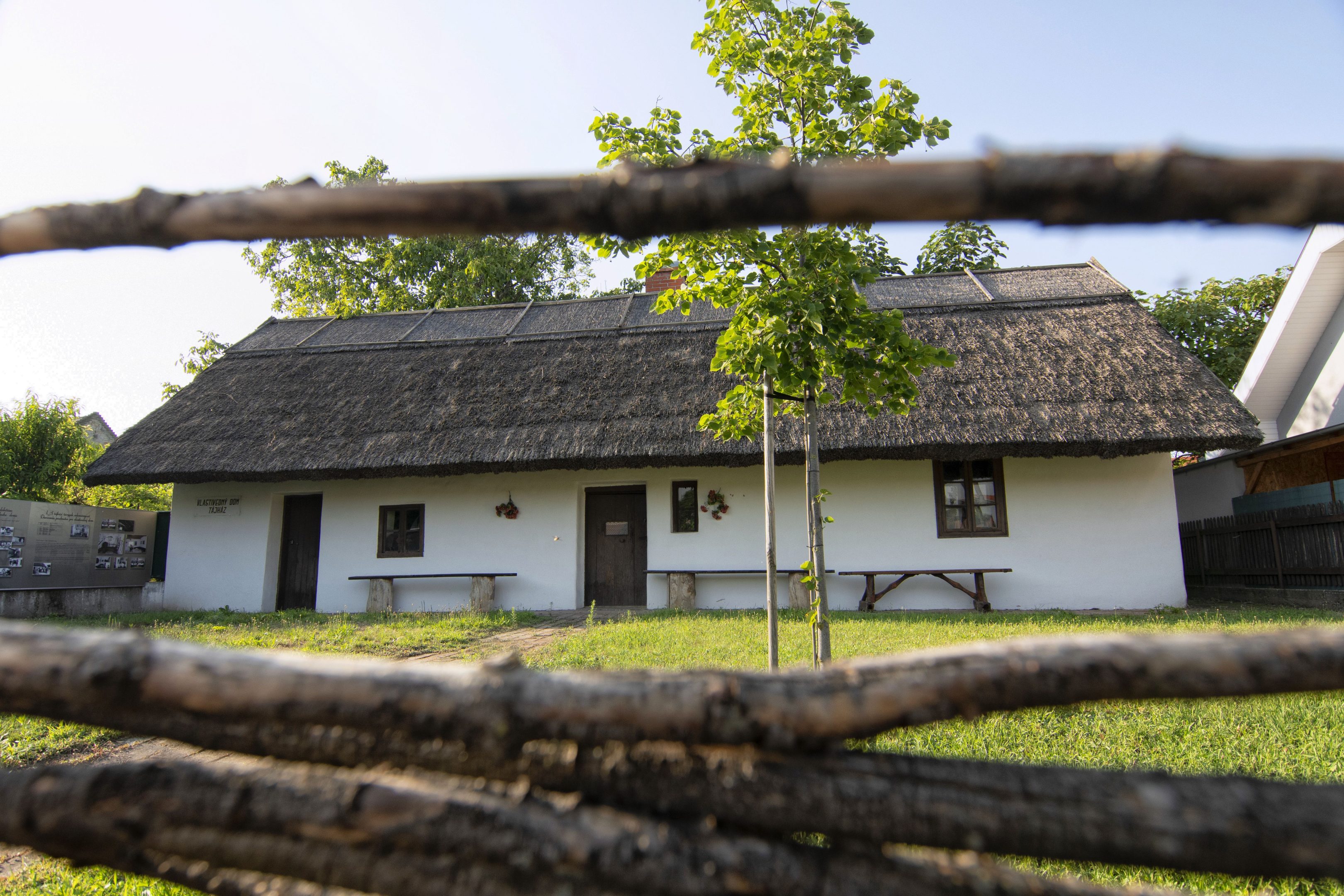
The country house in Veľký Meder was furnished in 1980 and represents the folk architecture and culture of the local farmers' living conditions at the turn of the 19th and 20th centuries. According to the inscription on the beam of the clean room, the house with a thatched roof was built in 1836. The building consists of four rooms arranged in a row. Period objects in the rooms (a bread baking shovel, a wooden trough for kneading, a butter churn, a plane, a spice grinder, and a charcoal basket) are gifts from the residents. On the walls, there are plates, and on the shelves, there are milk jugs, water pitchers, and other containers and tools necessary for cooking.
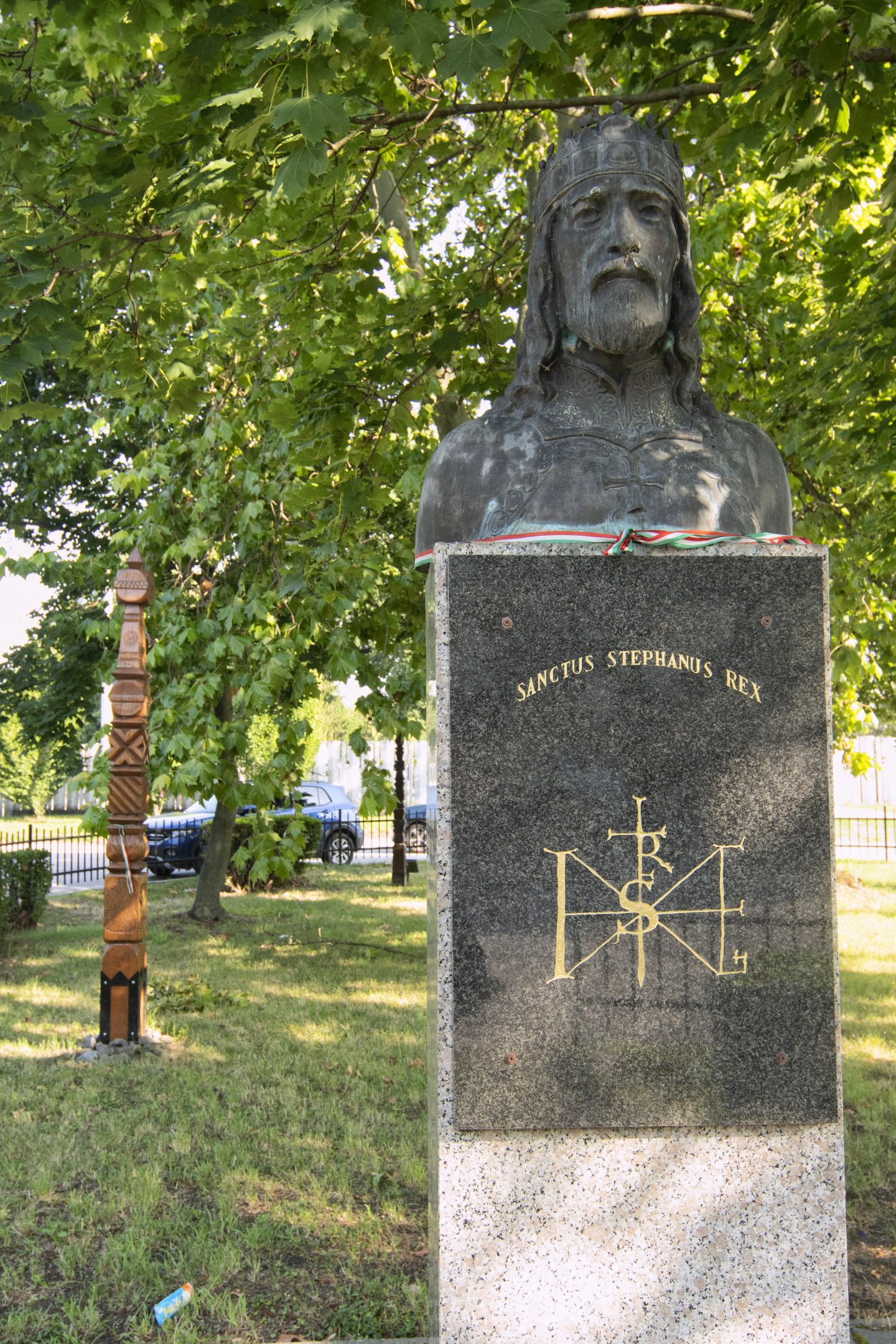
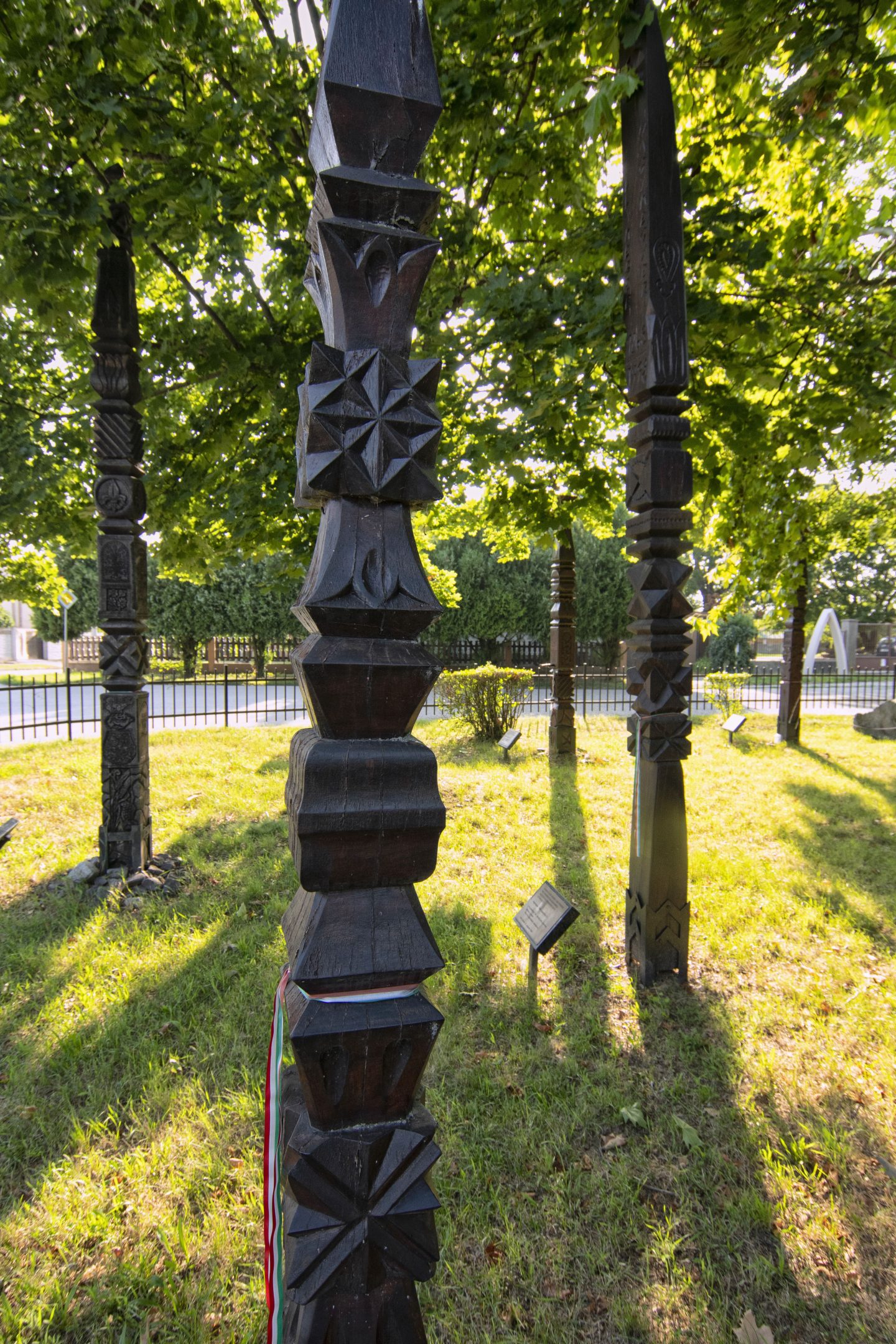
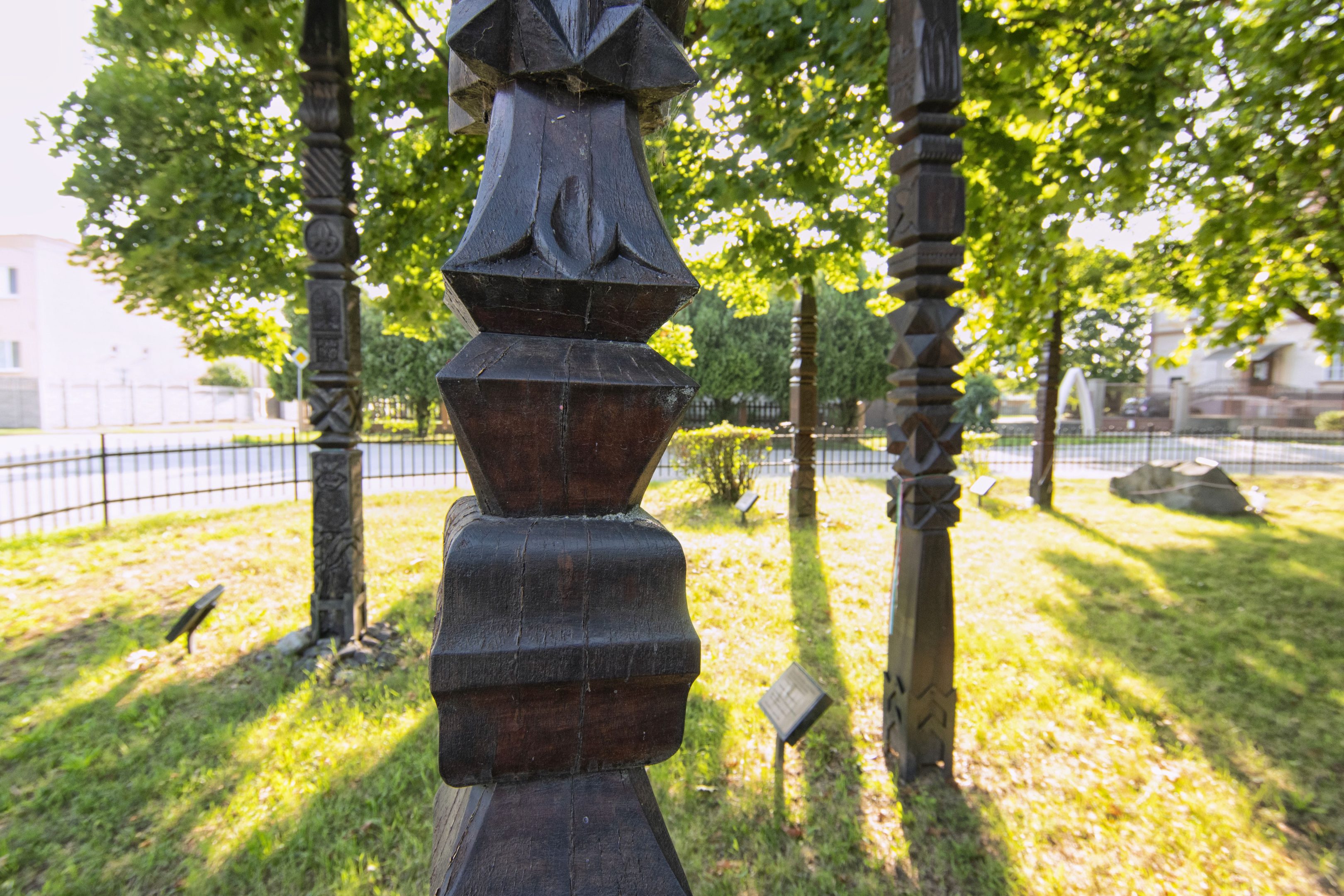
The historic park at the end of St. Stephen's Street was gradually developed by Csemadok. In the historic park, there are five memorial pillars, among which the most important are the memorial pillar erected in honor of the 1100th anniversary of the country's conquest, the memorial pillar commemorating the 730th anniversary of the first written mention of the town, and the memorial pillar dedicated to Ladislav Kovács, a former priest-dean (1976-2001) and initiator of St. Stephen's Days.
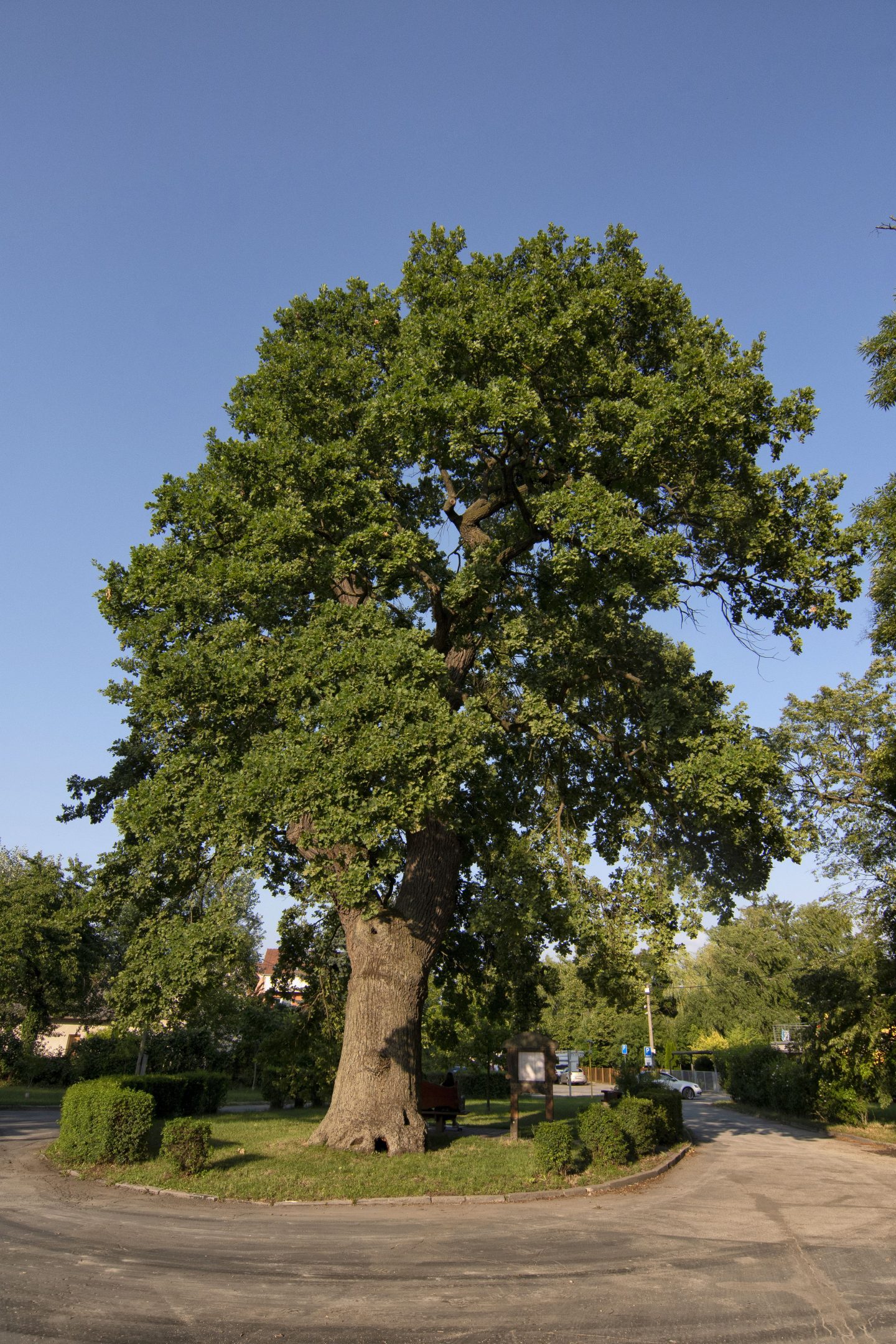
According to a legend that still lives on today, King Matthias tied his horse to this tree. In 1421, the inhabitants of Veľký Meder, who belonged to the tribe of Megyer, were granted a special right, under which they paid taxes exclusively to the king. In that same year, the new feudal lords began collecting taxes from the residents. The inhabitants could not accept this, so they turned to the monarch, who was said to be just. To investigate their complaint, he disguised himself and went to Veľký Meder, where he verified the validity of their complaint and promised to address it. As a result of this legend, the oak tree became part of both the former and current coat of arms of the town.
The thermal baths in Veľký Meder are the most important tourist attraction in the town, thanks to their thermal water, attracting a large number of foreign and domestic tourists almost year-round. The baths are located in a very pleasant environment, within an 80-hectare forest park. The facility offers 13 outdoor and indoor pools, available 365 days a year.