Discover with us the masterpieces of silence and architecture, which continue to be homes to vibrant communities and cultural events today.
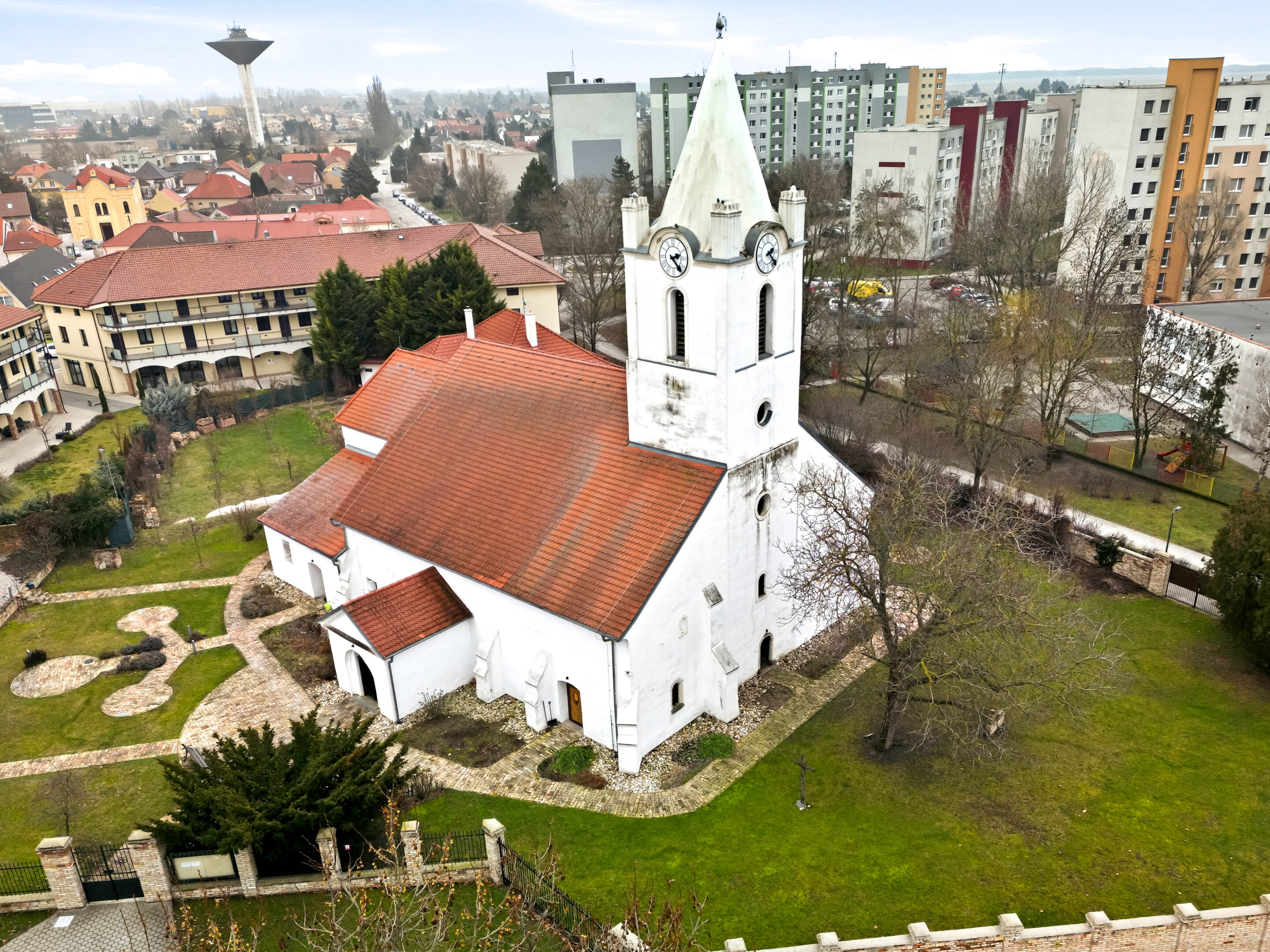
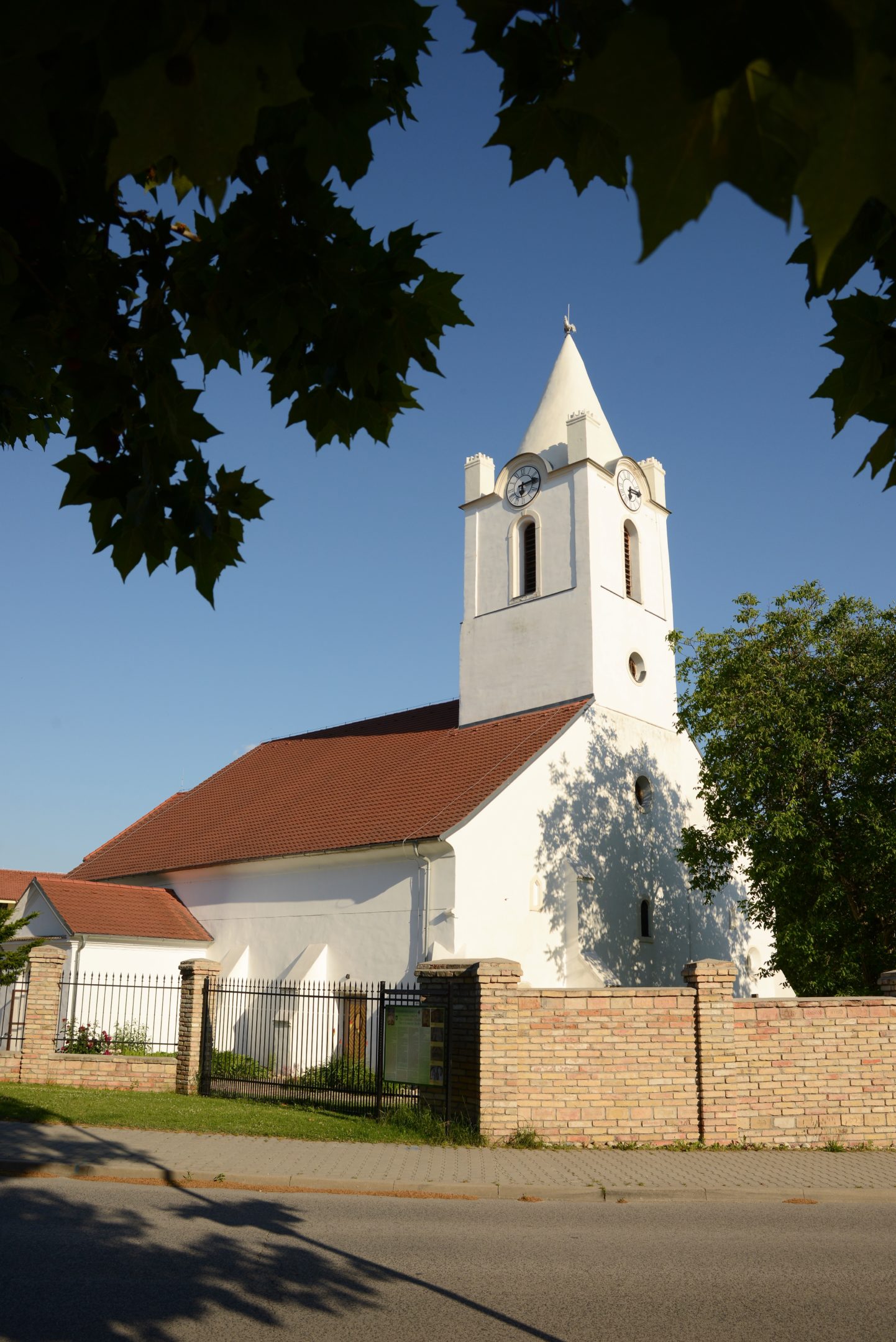
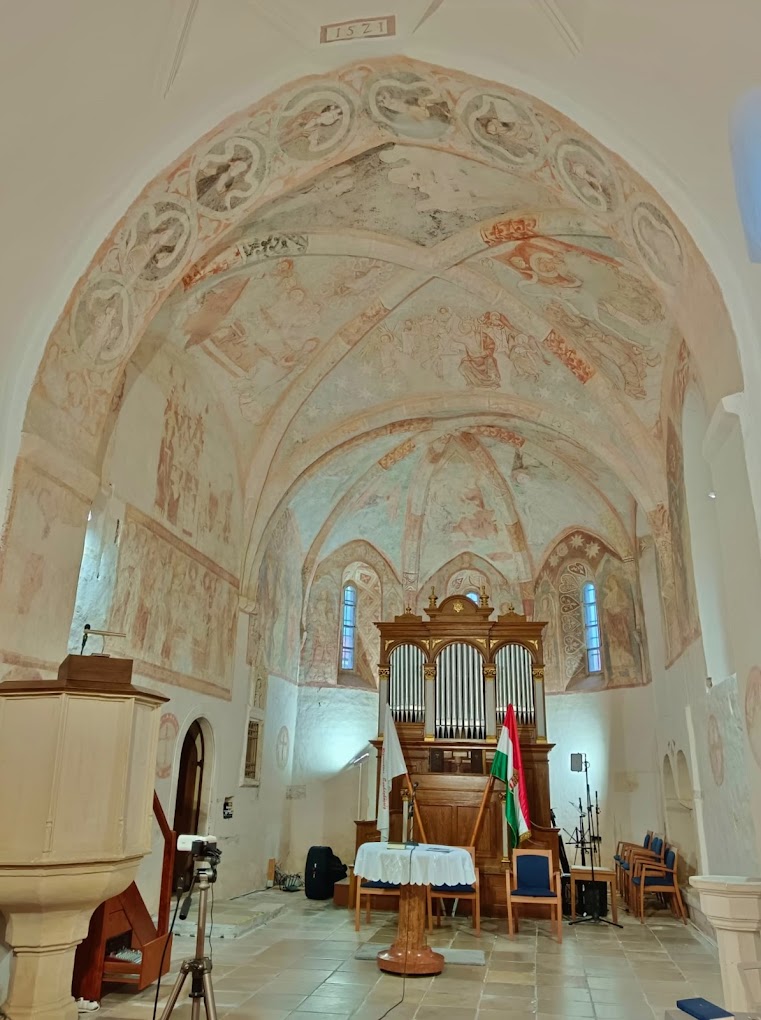
This medieval church, dedicated to the Virgin Mary, is an important sacred architectural work not only within the Žitný ostrov region but also on a national level. According to archaeological finds from 2014, its oldest foundations beneath the sanctuary date back to the Romanesque period. Excavations revealed that the church underwent at least 12 phases of reconstruction until 1521. The original 13th-century building consists of the current nave and sanctuary, without a sacristy or side aisles. The fact that a tower was added to the church suggests that it once functioned as a local fortification, allowing the observation of enemy movements or approaching dangers, such as fires or floods.
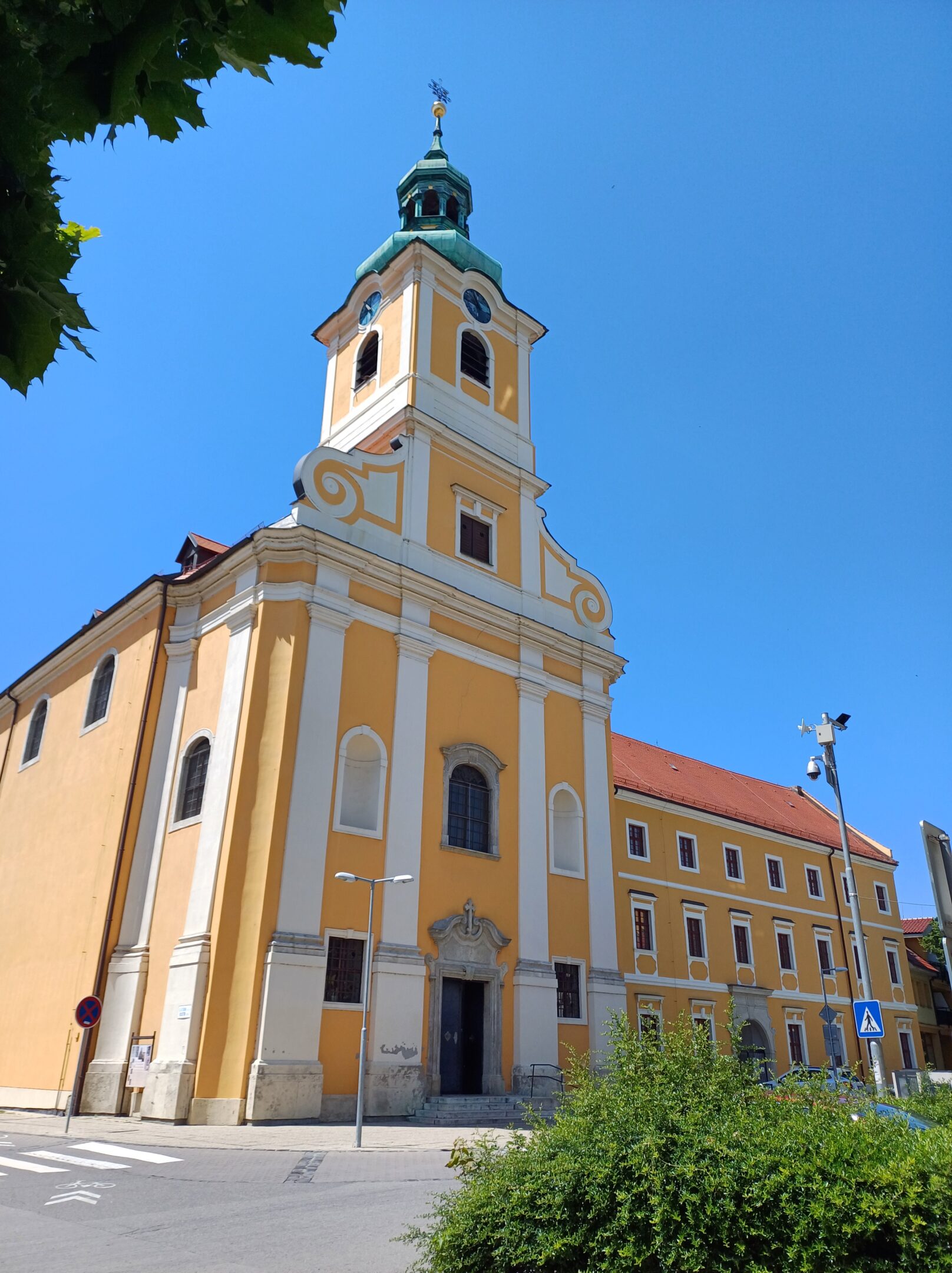
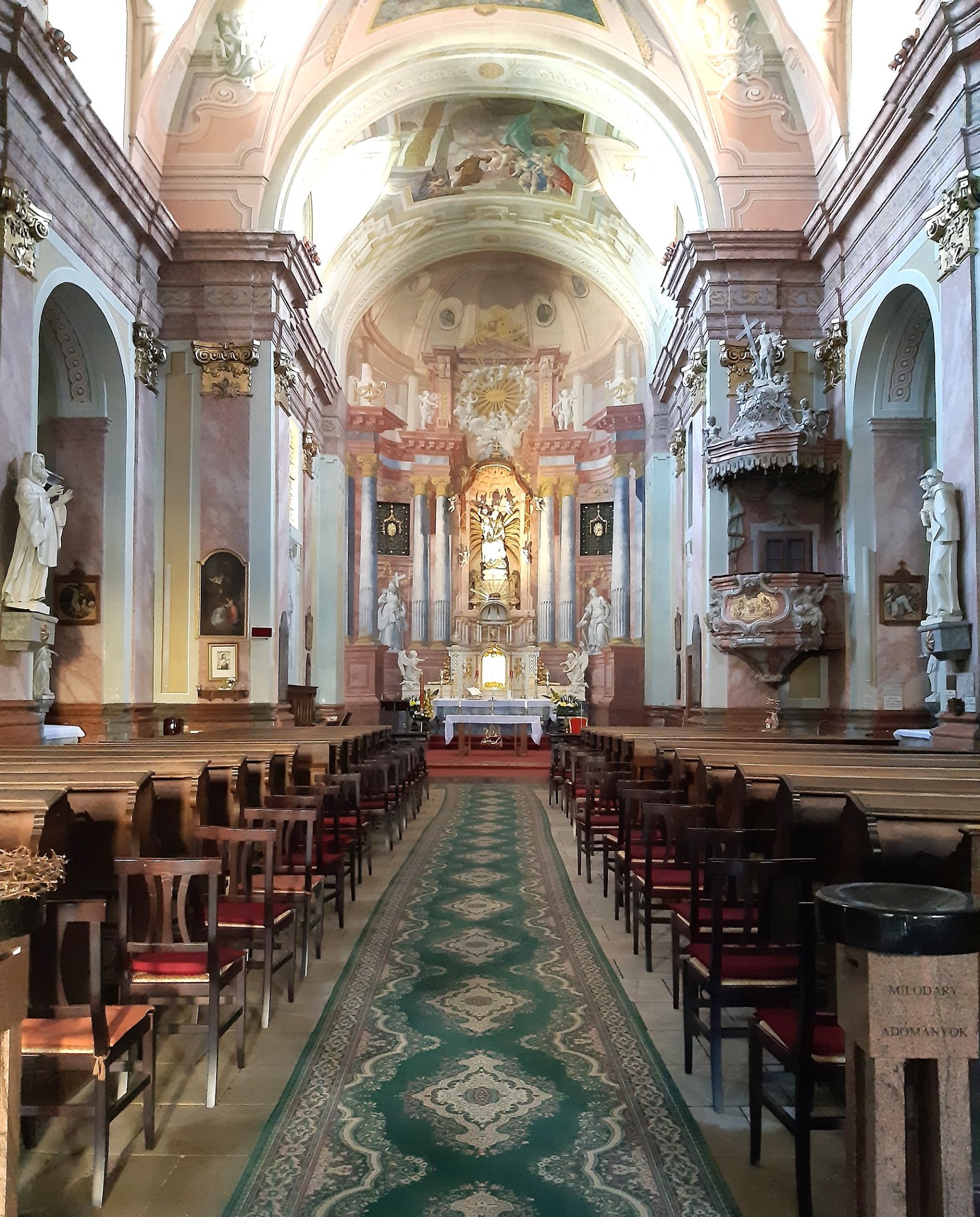
The Church of the Assumption of the Virgin Mary, together with the Paulane monastery, was built in the 18th century based on the designs of the Austrian architect Johann Georg Altenburg. It is the second-largest church in the Žitný ostrov region, and its interior architecture is characterized by the late Baroque period. The fresco decorations make it one of the most beautiful churches in the area. The monastery has a square layout with a well located in its inner courtyard. This building is the only Paulane monastery in the territory of the former Kingdom of Hungary. Today, the southern part of the monastery is used for parish purposes, while the northern part hosts exhibitions and cultural events, and houses the town’s tourist information center.
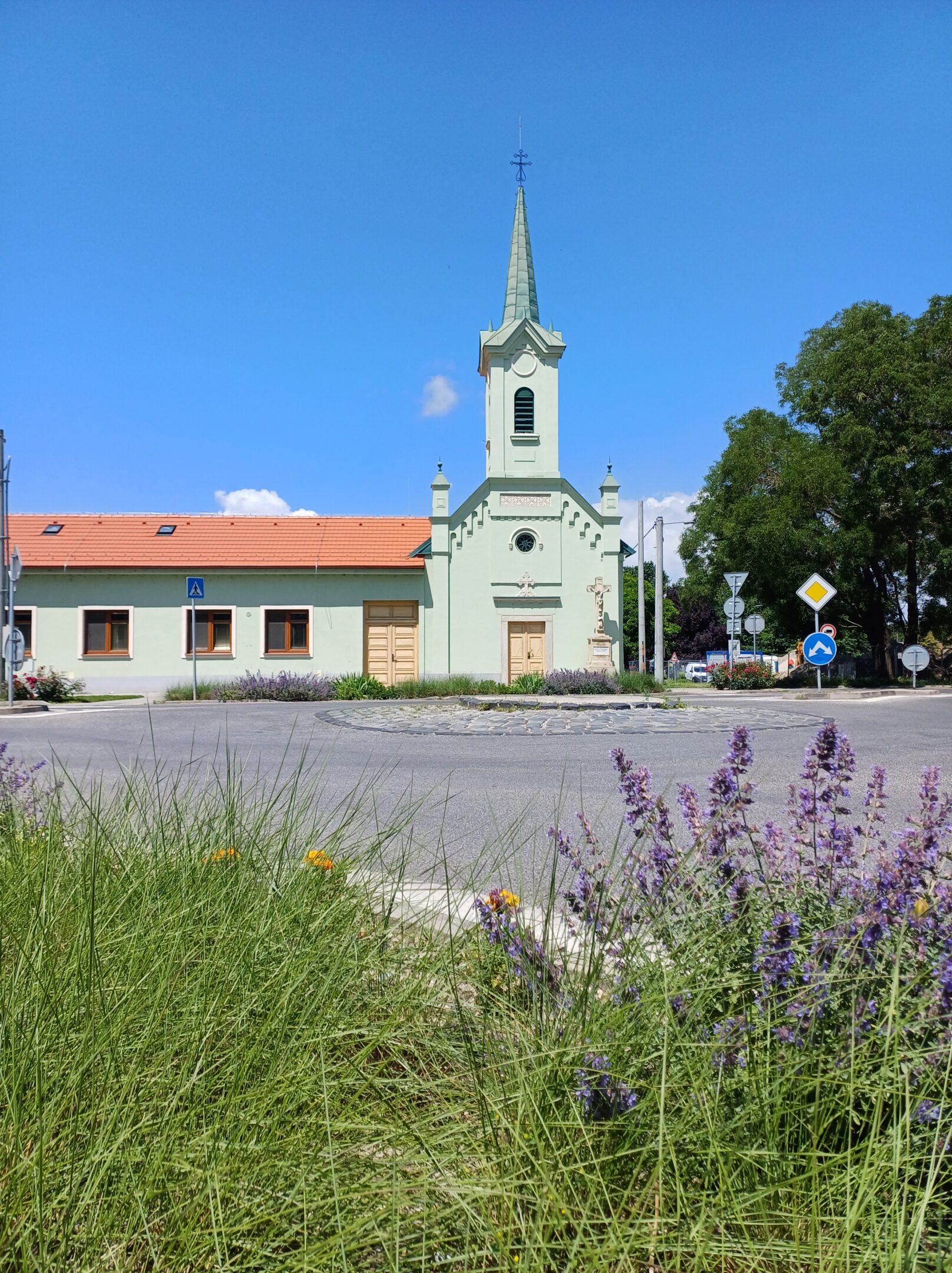
he Chapel of Saints Cosmas and Damian, or the Infirmary Chapel, was part of the former almshouse. It was originally dedicated to Saint Dismas. It was built in 1725 along with the adjacent infirmary. The chapel was reconstructed in 1873, which is when it gained its current form. This date is visible on the main facade of the building. The bell in the chapel tower features rich decoration, including a relief likely depicting Saint Urban, the patron saint of vine-growers, coopers, and innkeepers, the year 1784, and the inscription "CHRISTELLY POSONII FUDIT".
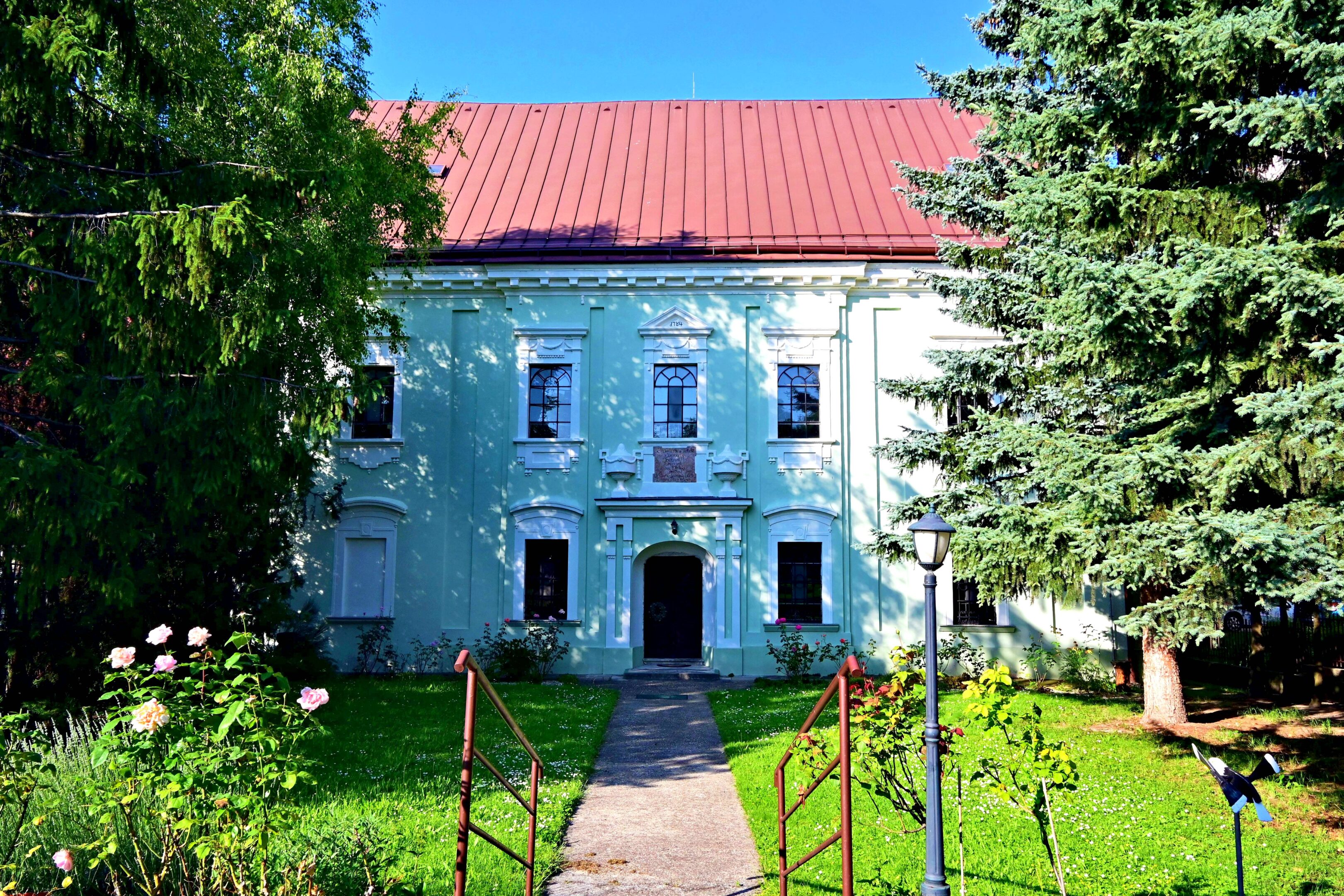
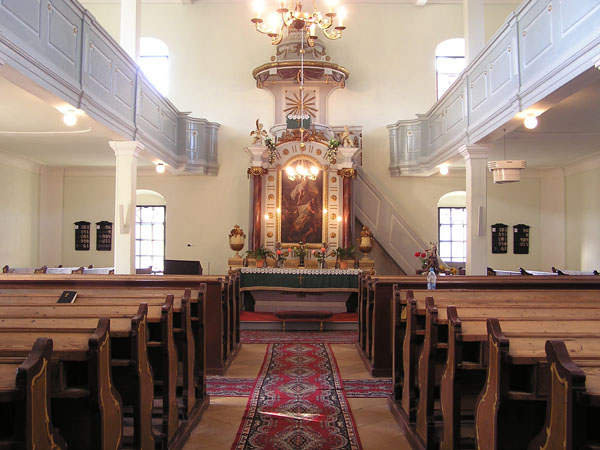
The church was built in 1785 according to the designs of the architect Altenburg. It was constructed in the Neoclassical style, though the interior furnishings, preserved to this day, also feature Baroque elements. The church organ is the only surviving work of the famous organ builder Effinger. A significant figure in Slovak history, Milan Rastislav Štefánik – politician, diplomat, astronomer, and scientist – was a student at the Šamorín Evangelical school during the 1889/90 academic year. A relief depicting him, created by Ladislav Majerský in 1930, can be found in front of the current Lutheran rectory.
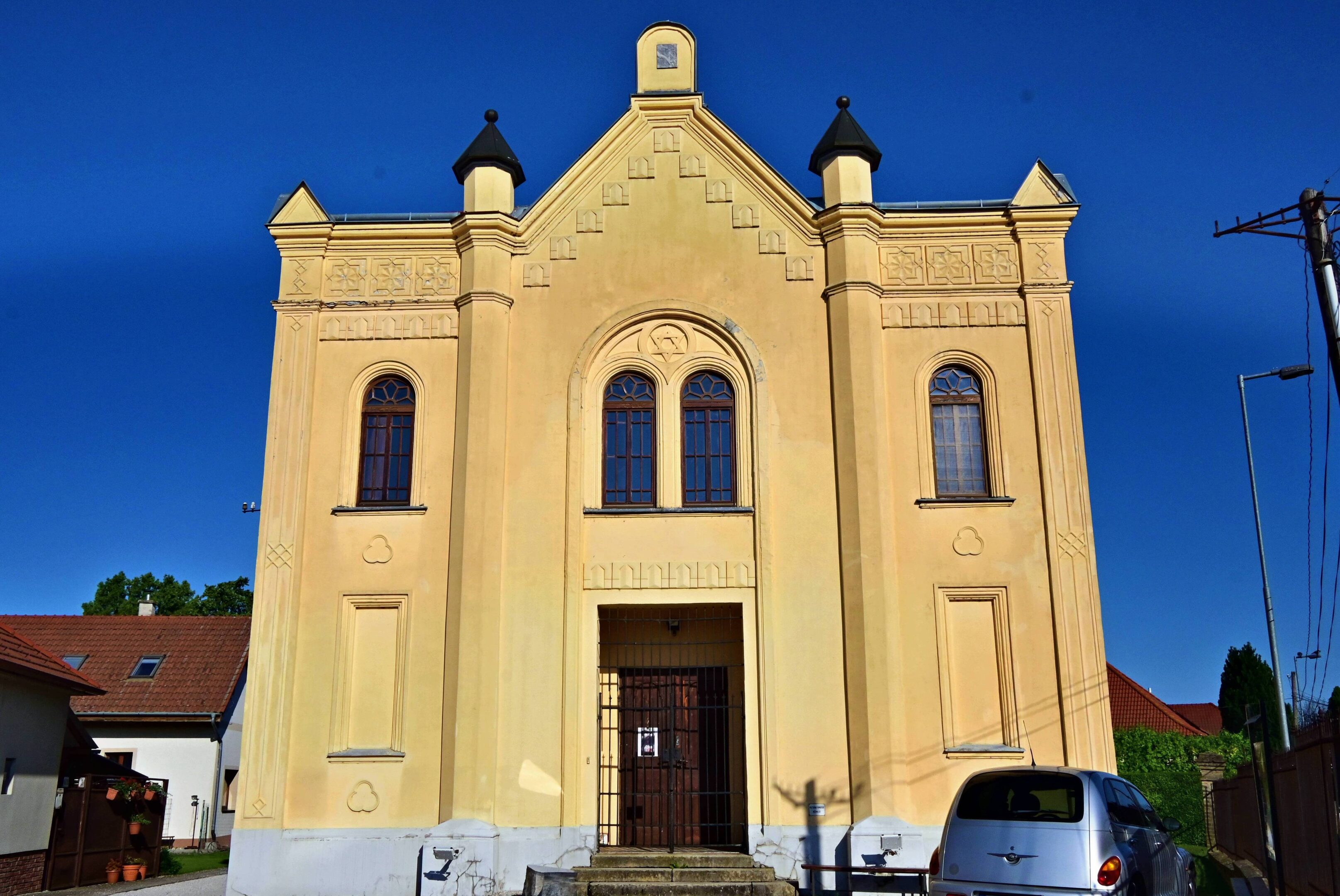
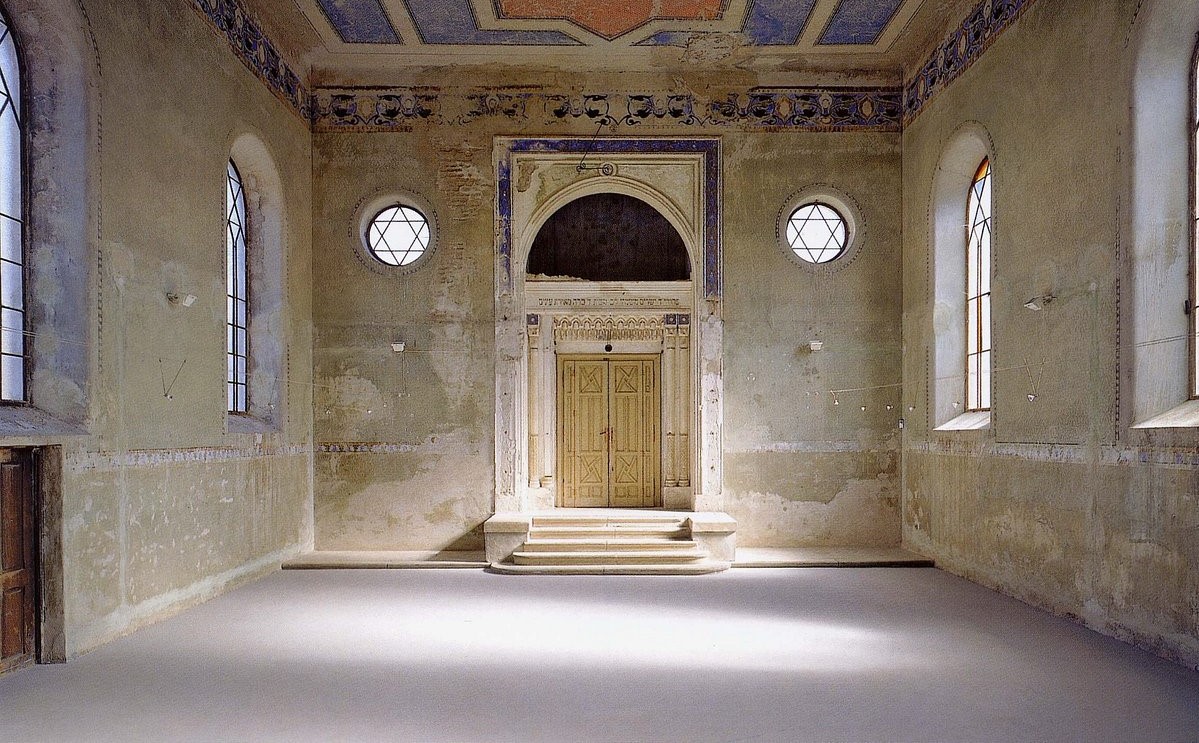
Built in 1912, the Šamorín synagogue bears hallmarks of Romantic architecture along with Middle Eastern motifs. The windows of the synagogue were decorated with stained glass. The interior is divided into two levels by a gallery where women used to sit. Since the Holocaust, the synagogue remained practically unused, as all but two or three Jewish families were deported from Šamorín. Since 1996, thanks to the At Home Gallery, its interior has been used for exhibiting fine arts and serves as a concert hall.
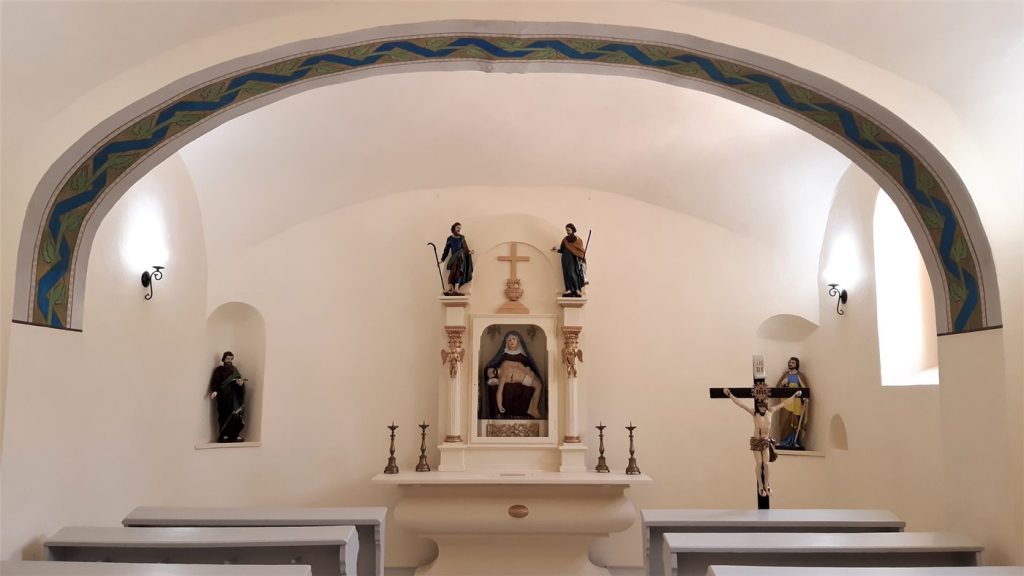
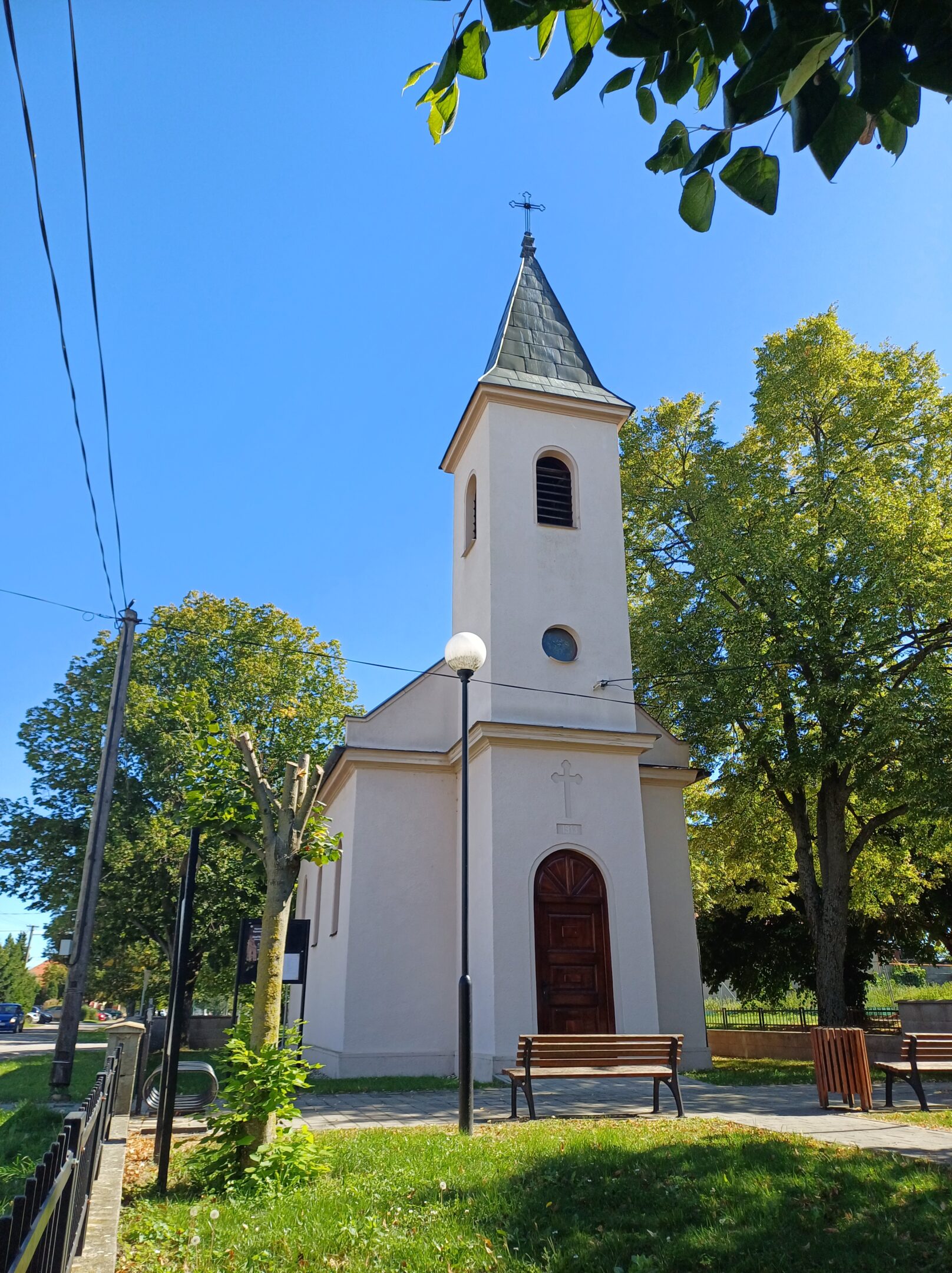
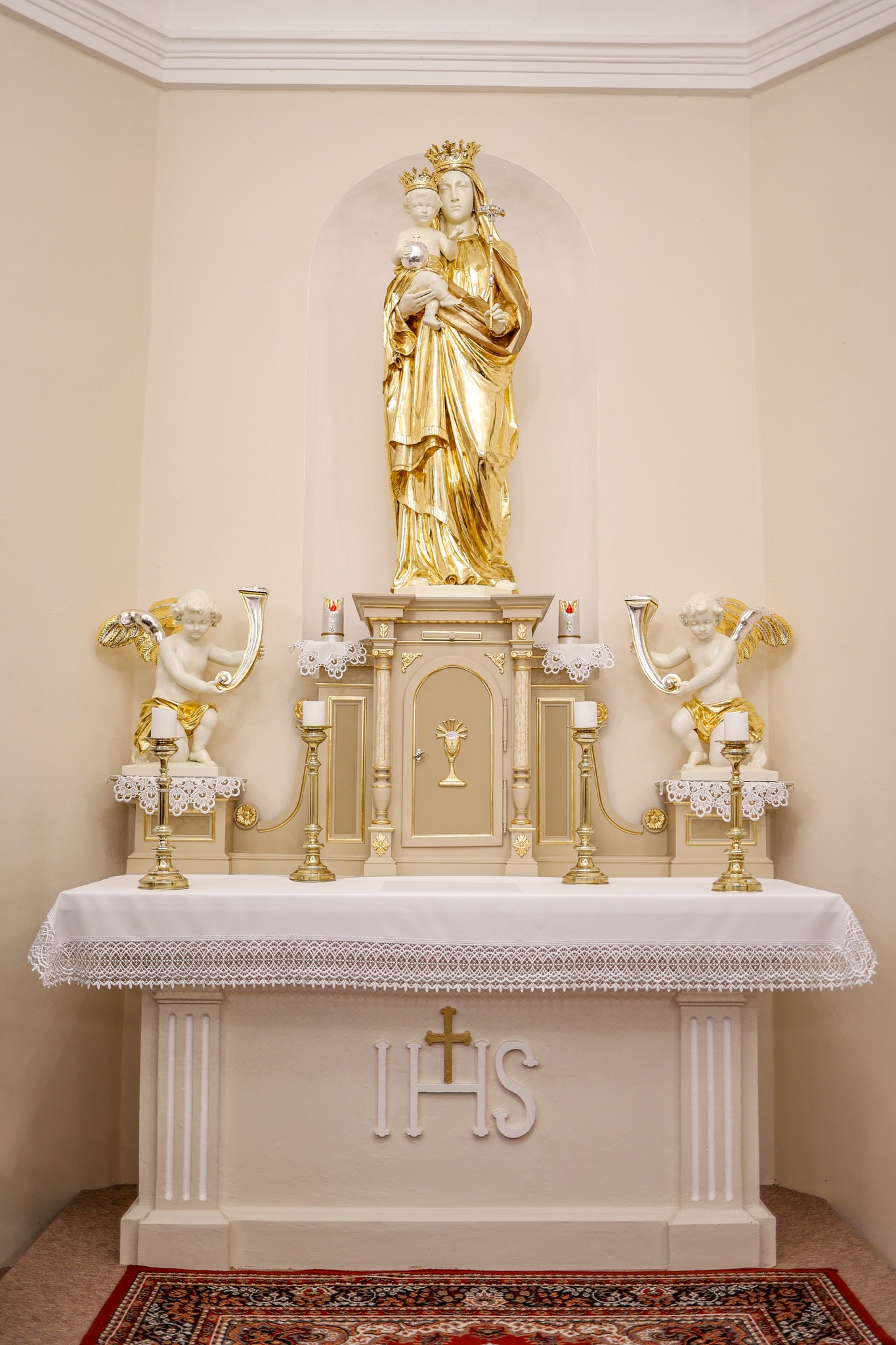
The chapel in Mliečno was consecrated on August 15, 1913, on the Feast of the Assumption, by the parish priest of Šamorín at that time. The chapel was built within a few months through public donations. Above the altar stands a wooden statue of the Assumption of the Virgin Mary, while along the walls on both sides are statues of the Sacred Heart of Jesus, the Virgin Mary as Queen of the Rosary, and statues of Saint Joseph, Saint Aloysius, Saint Florian, and Saint Anthony. The interior of the chapel underwent a complete renovation in 2012–2013. On this occasion, stained-glass windows depicting Hungarian female saints were installed.
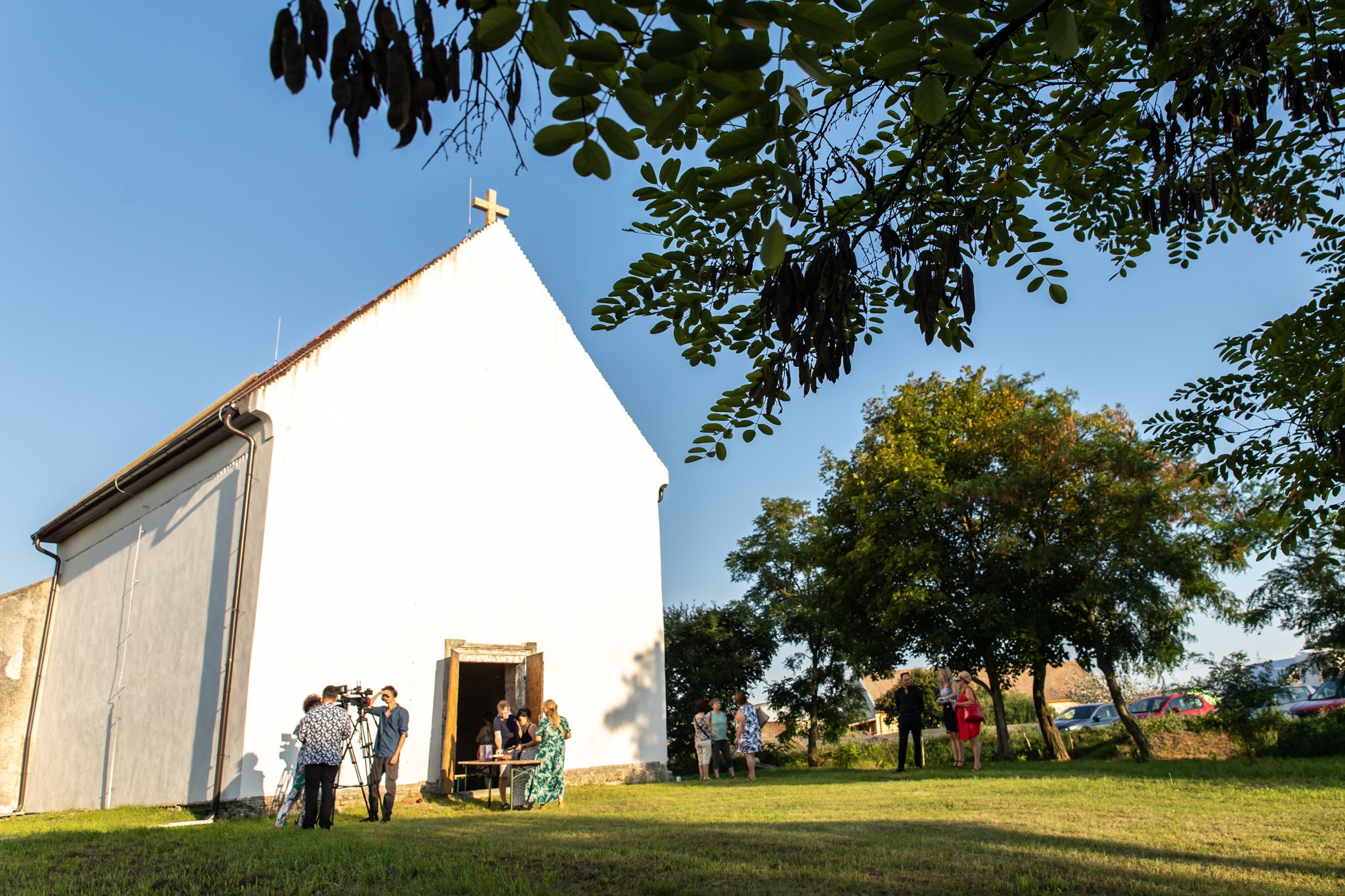
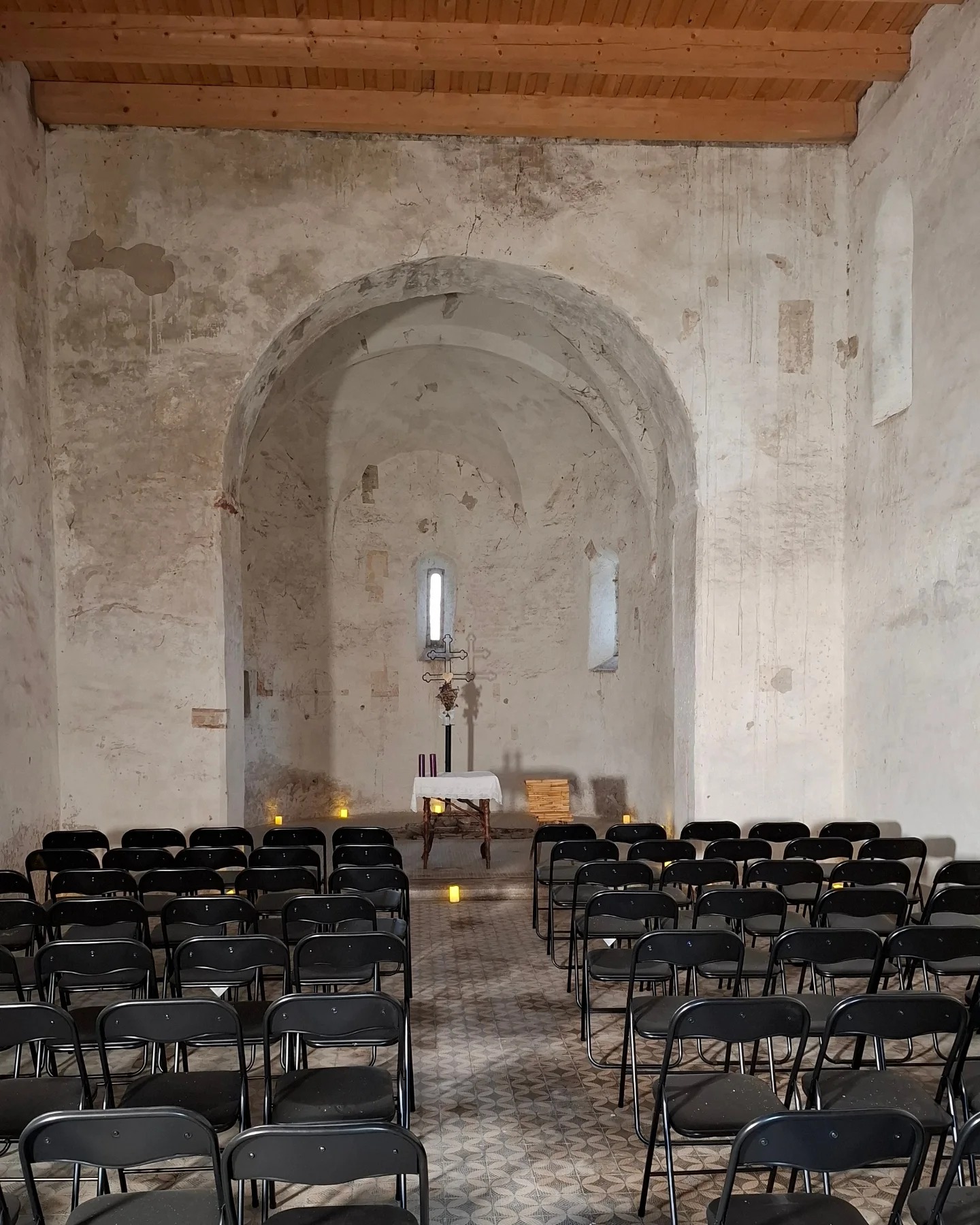
The earliest surviving official documents date the construction of this Romanesque church to around 1260. This is supported by archaeological excavations from 1978, which partially uncovered the remains of a medieval cemetery and settlement, dated by experts to between the 12th and 16th centuries. From the 19th century onwards, only one Mass a year was held in the church, on the feast day of Saint Margaret of Antioch. During the Communist era, starting in 1950, the building was used as a grain warehouse for thirty years. In recent years, a complete renovation and reconstruction of the building has begun.