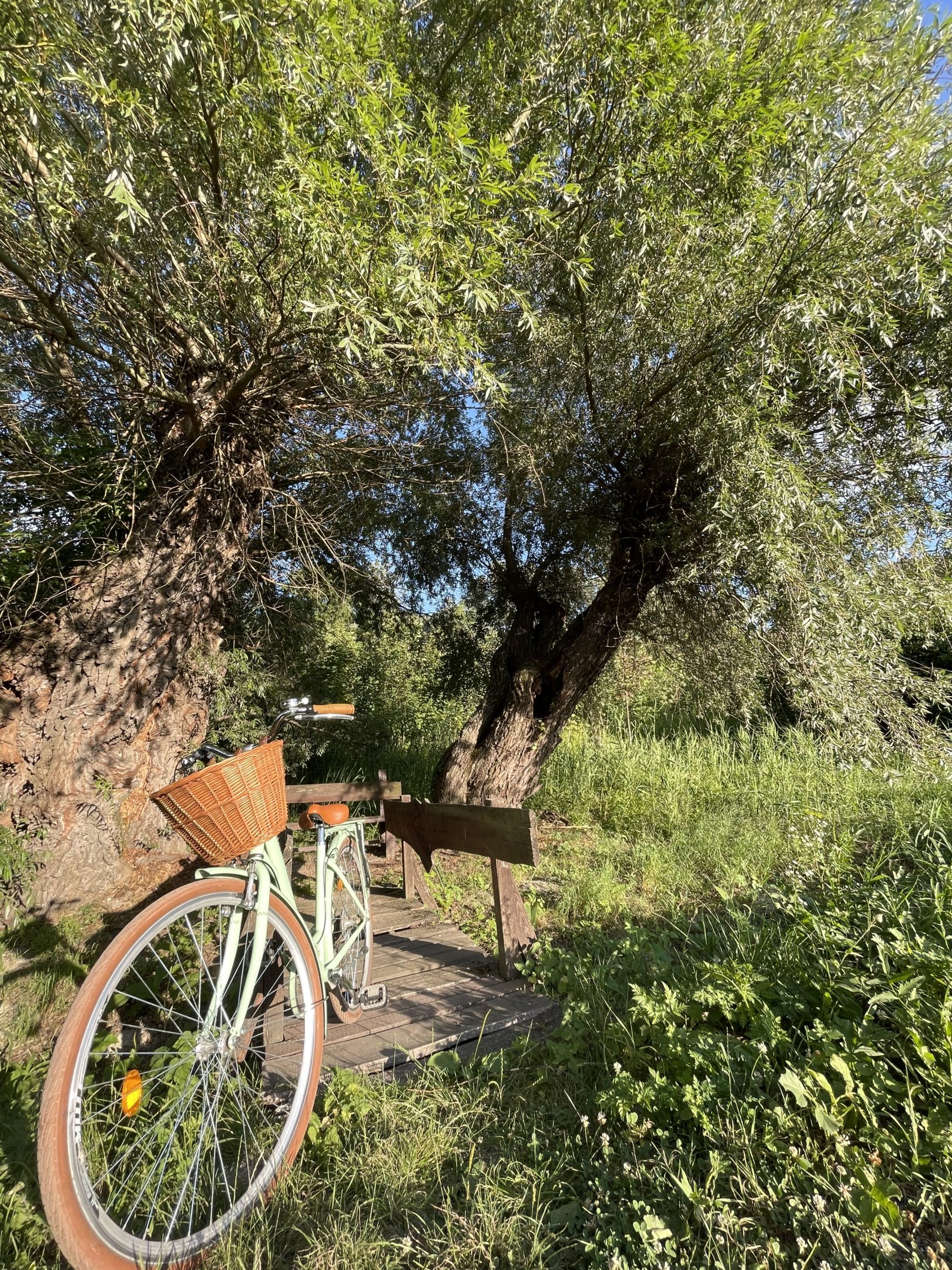
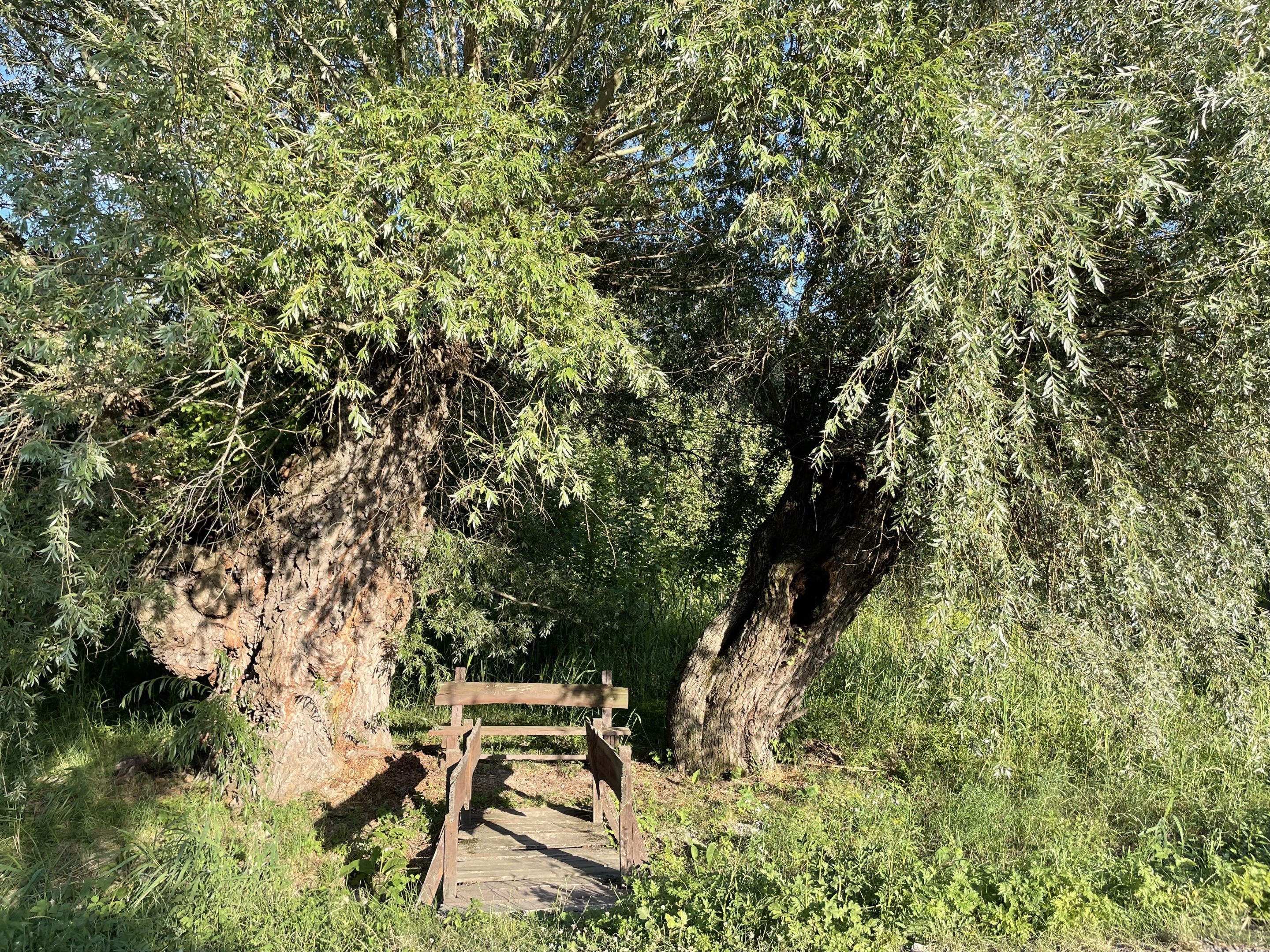
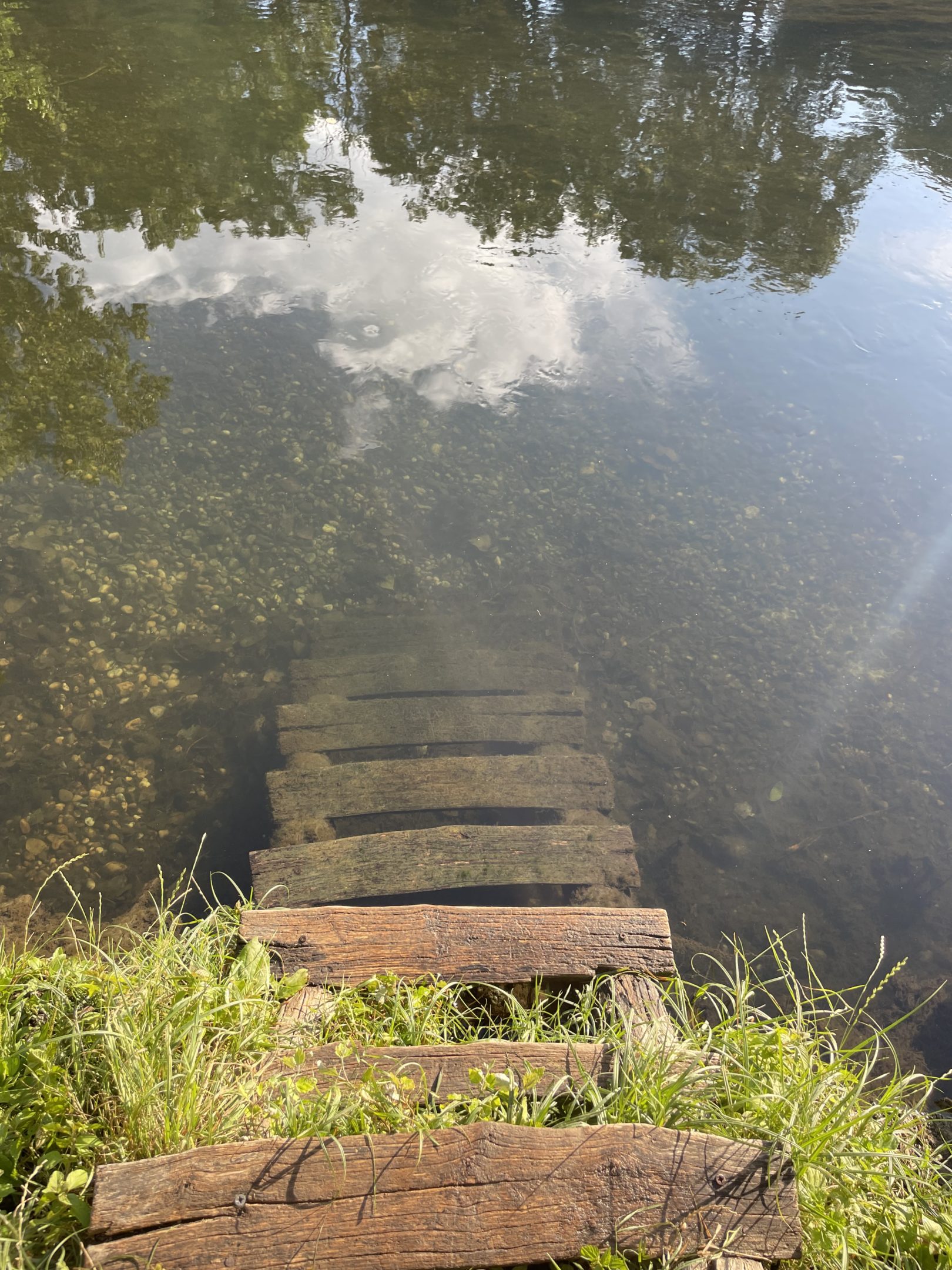
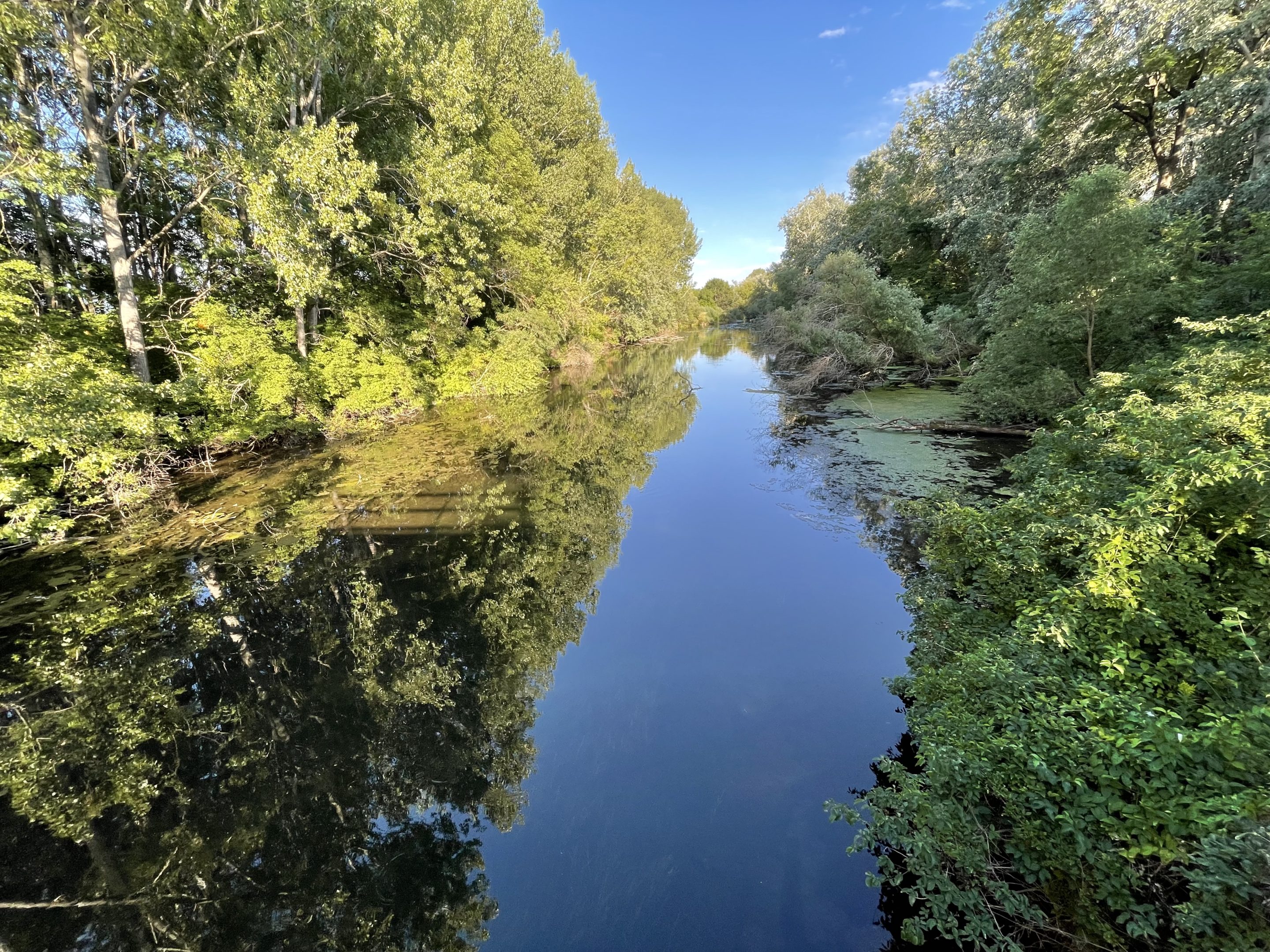
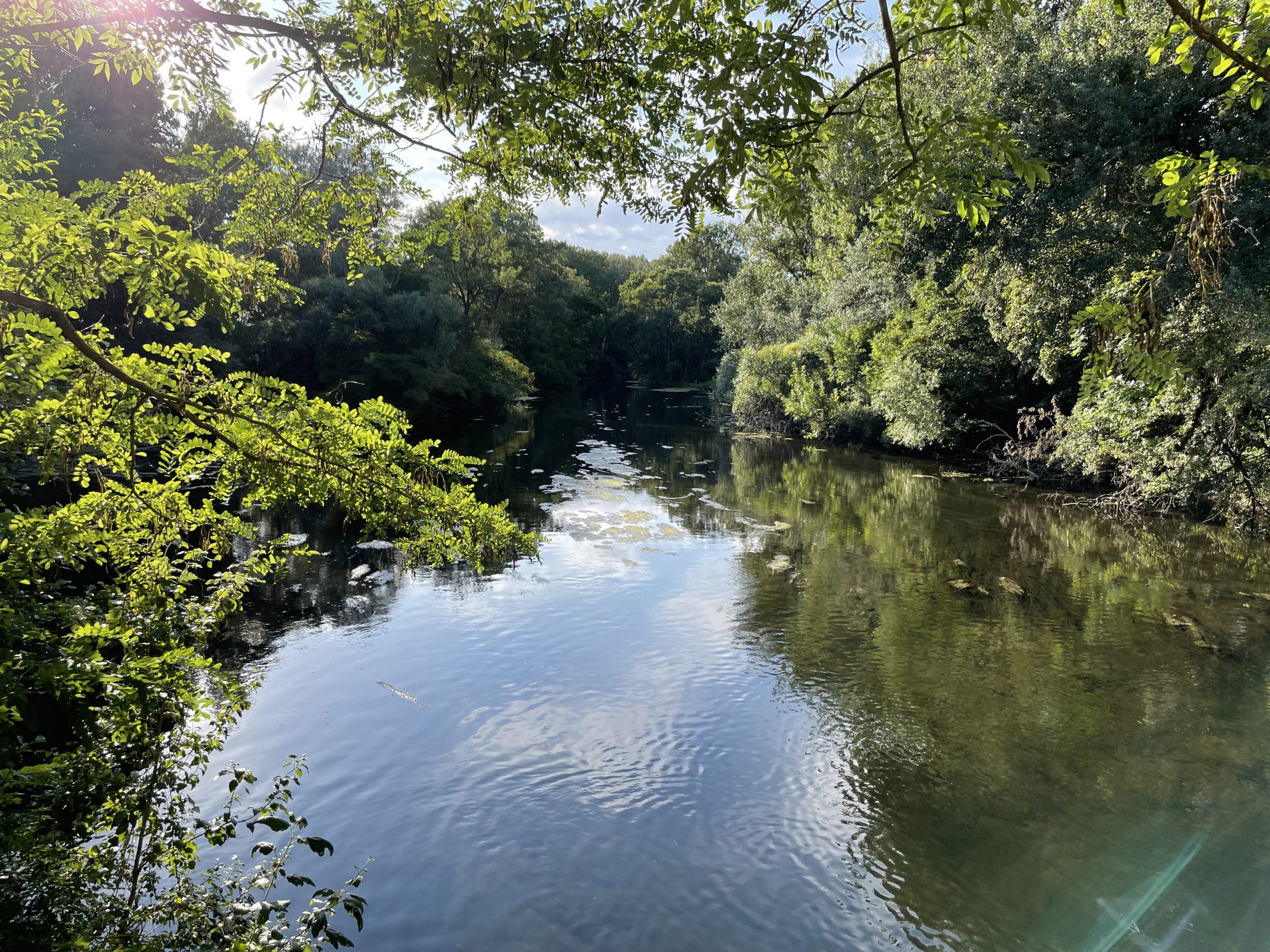
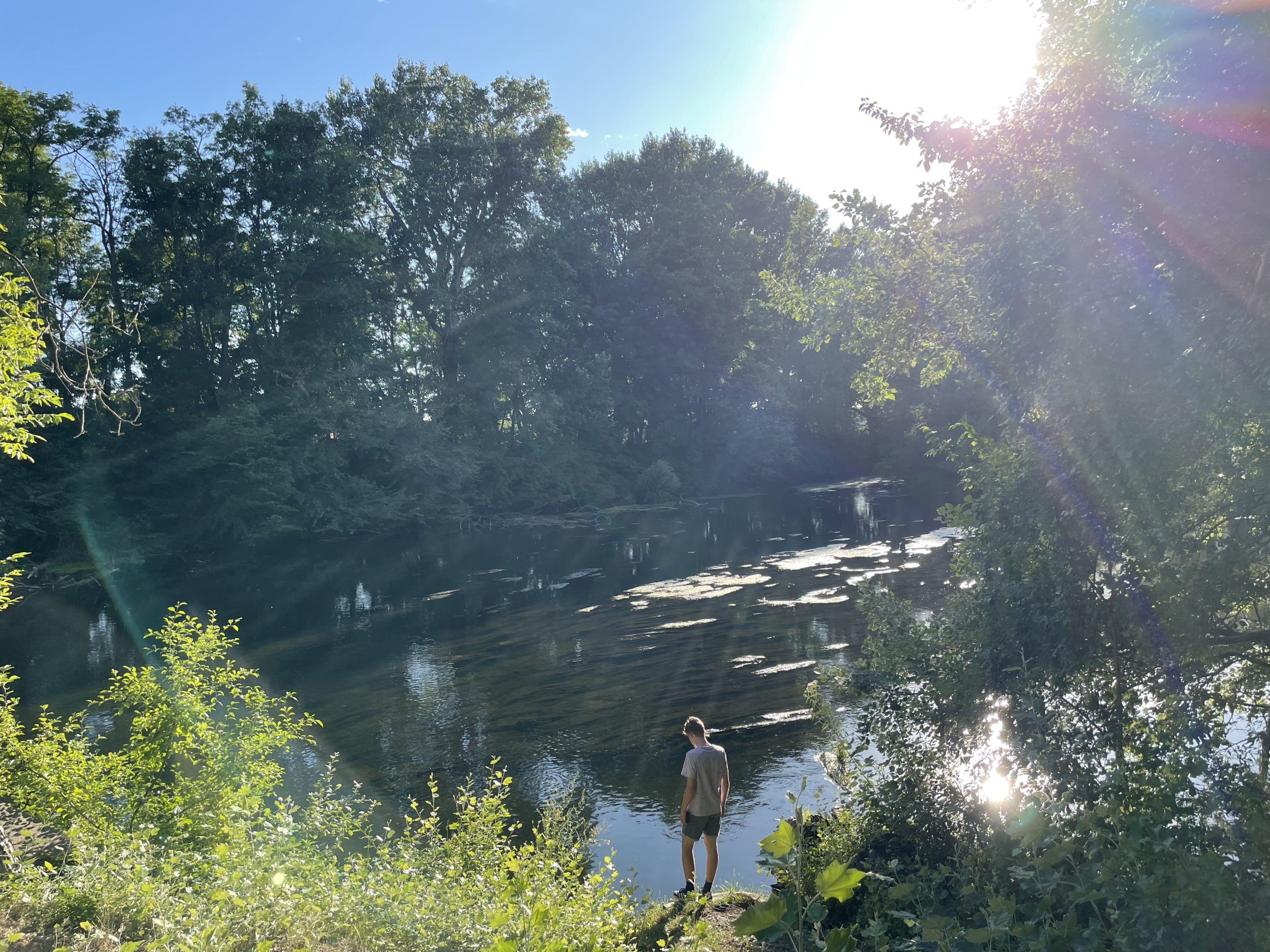
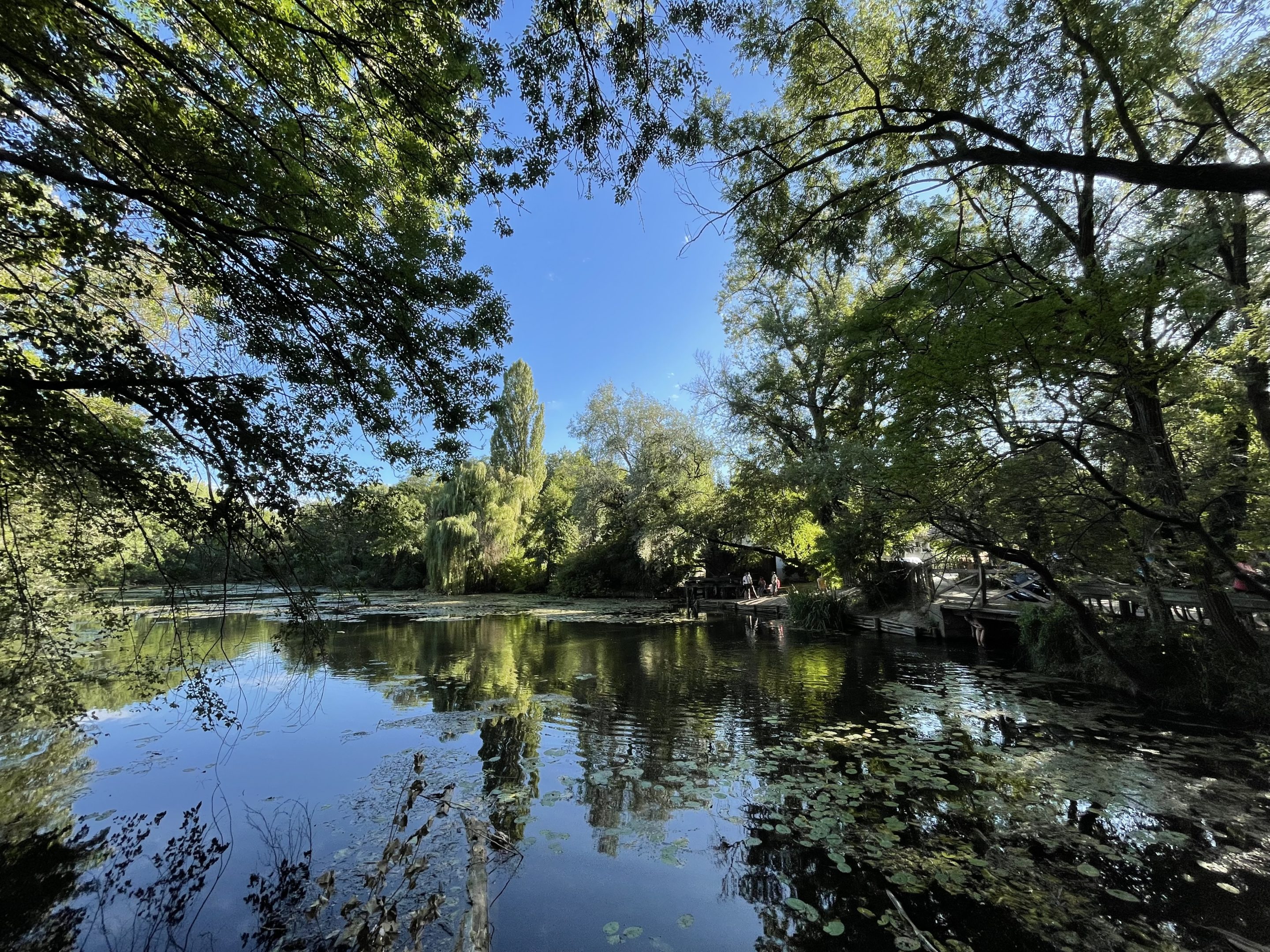
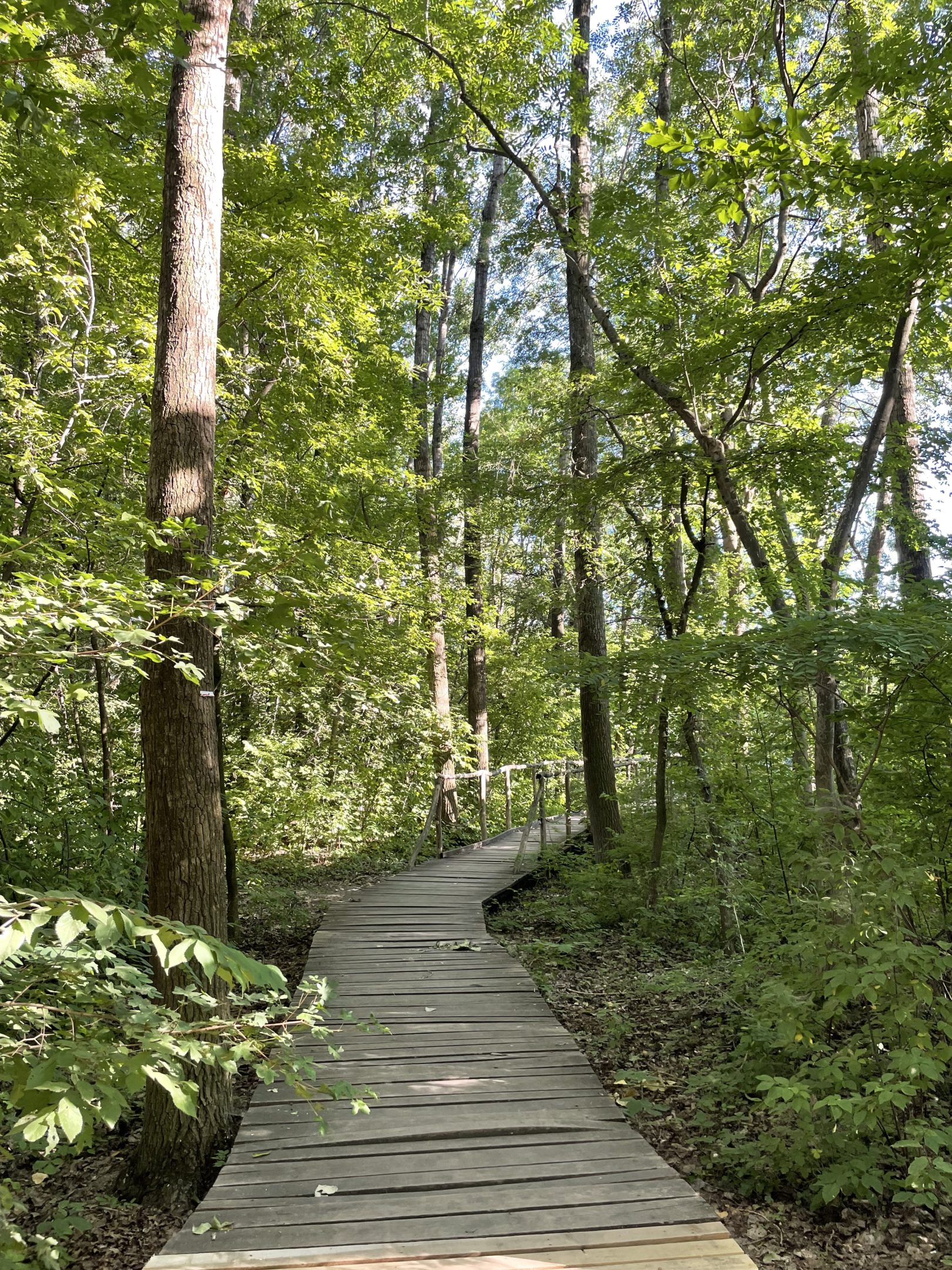
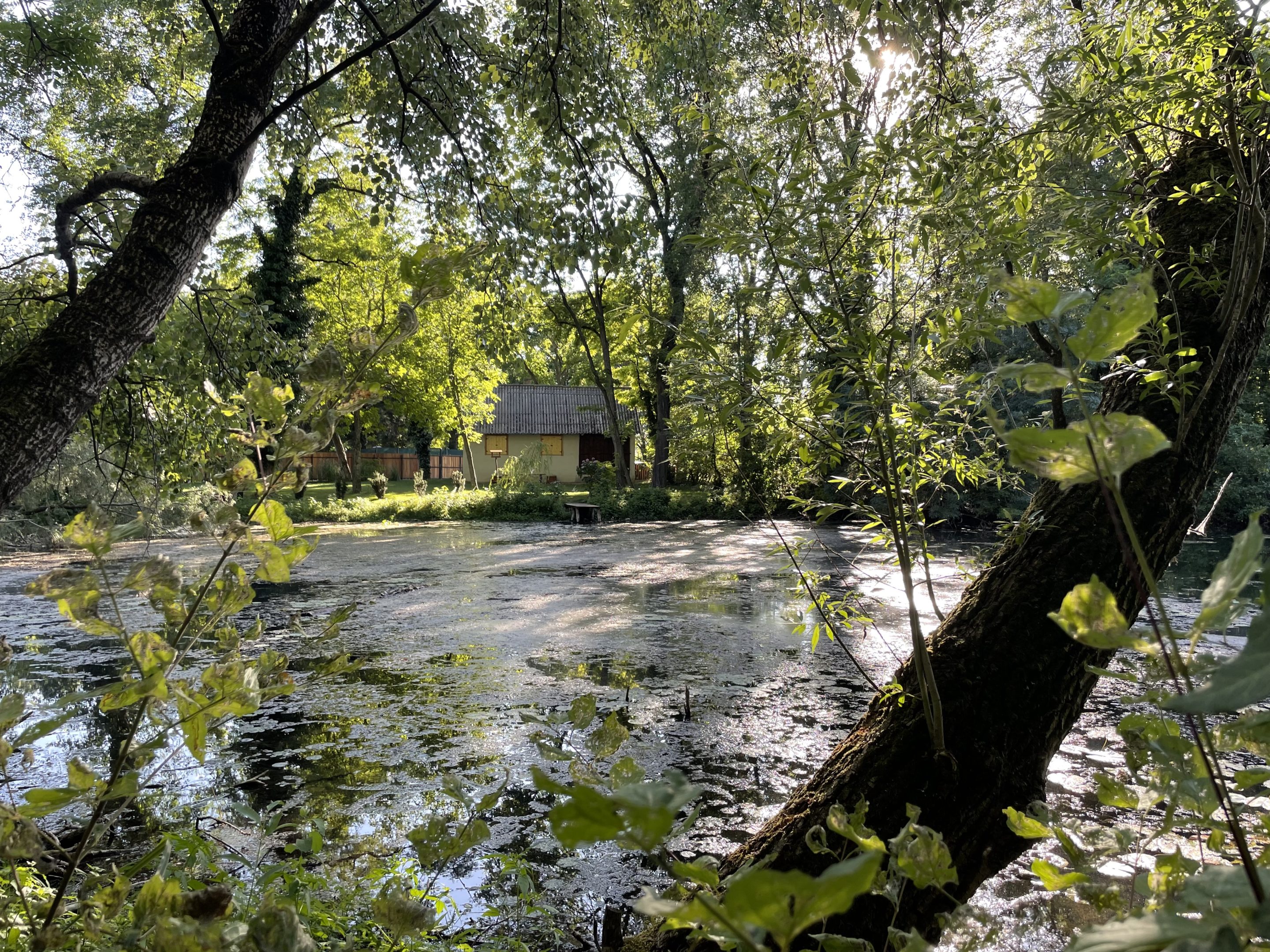
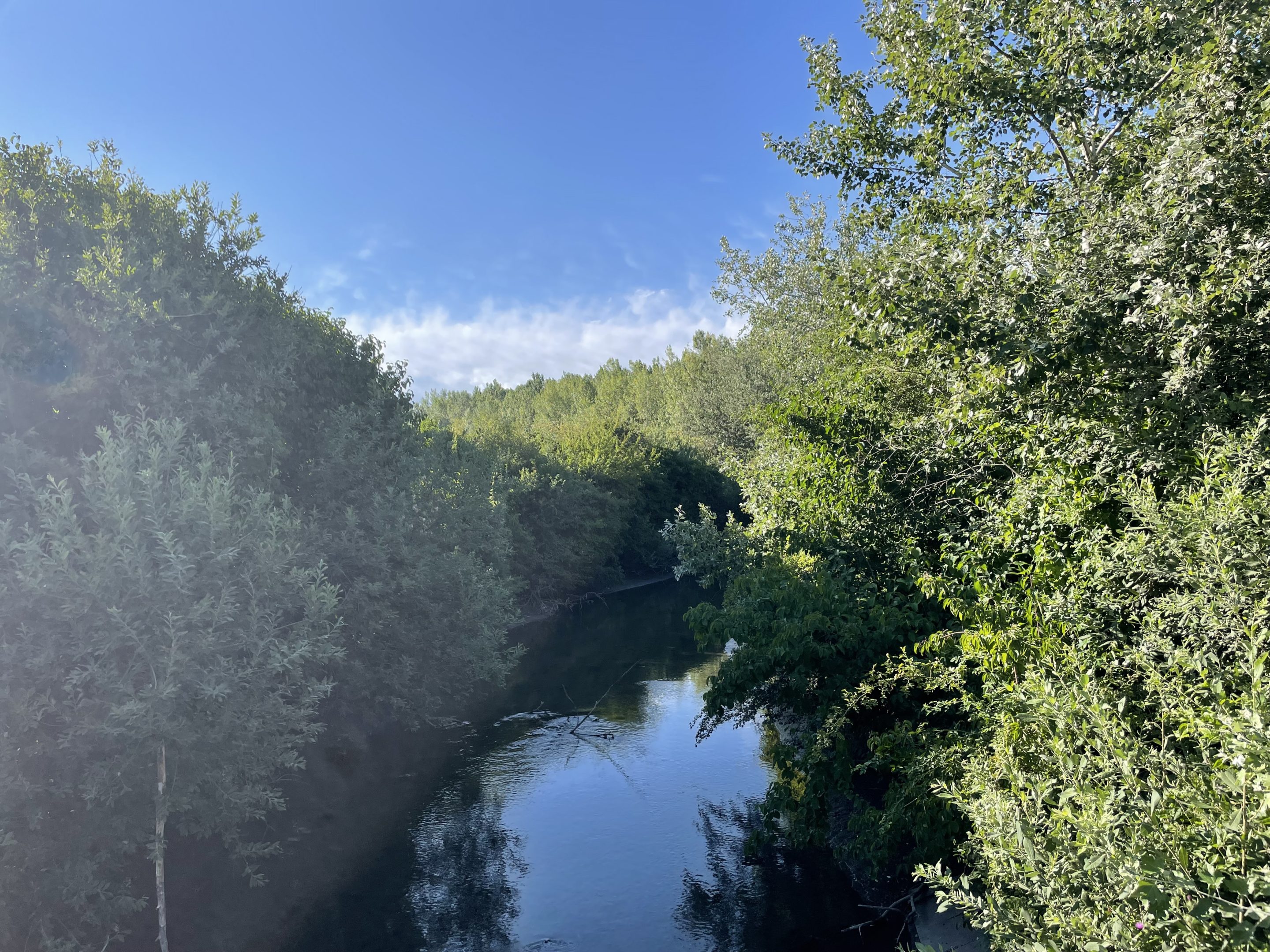
Klátovské rameno (also known as Klátovský potok) is a right tributary of the Little Danube and also the name of a national nature reserve. The Klátovské rameno does not have a source and is not separated from another watercourse; it emerges from the groundwater near the village of Orechová Potôň – Lúky, which contributes to its high level of purity.
The watercourse flows through the cadastral areas of the villages of Dolná Potôň, Dunajský Klátov, Horné Mýto, Malé Blahovo, Ohrady, Trhová Hradská, Vydrany, Veľké Blahovo, and Dolné and Horné Topoľníky. In the upper section, the Klátovské rameno does not have a continuous water surface, consisting only of small ponds with rich riparian vegetation. The water depth in the arm ranges from a few centimeters to 5 meters.
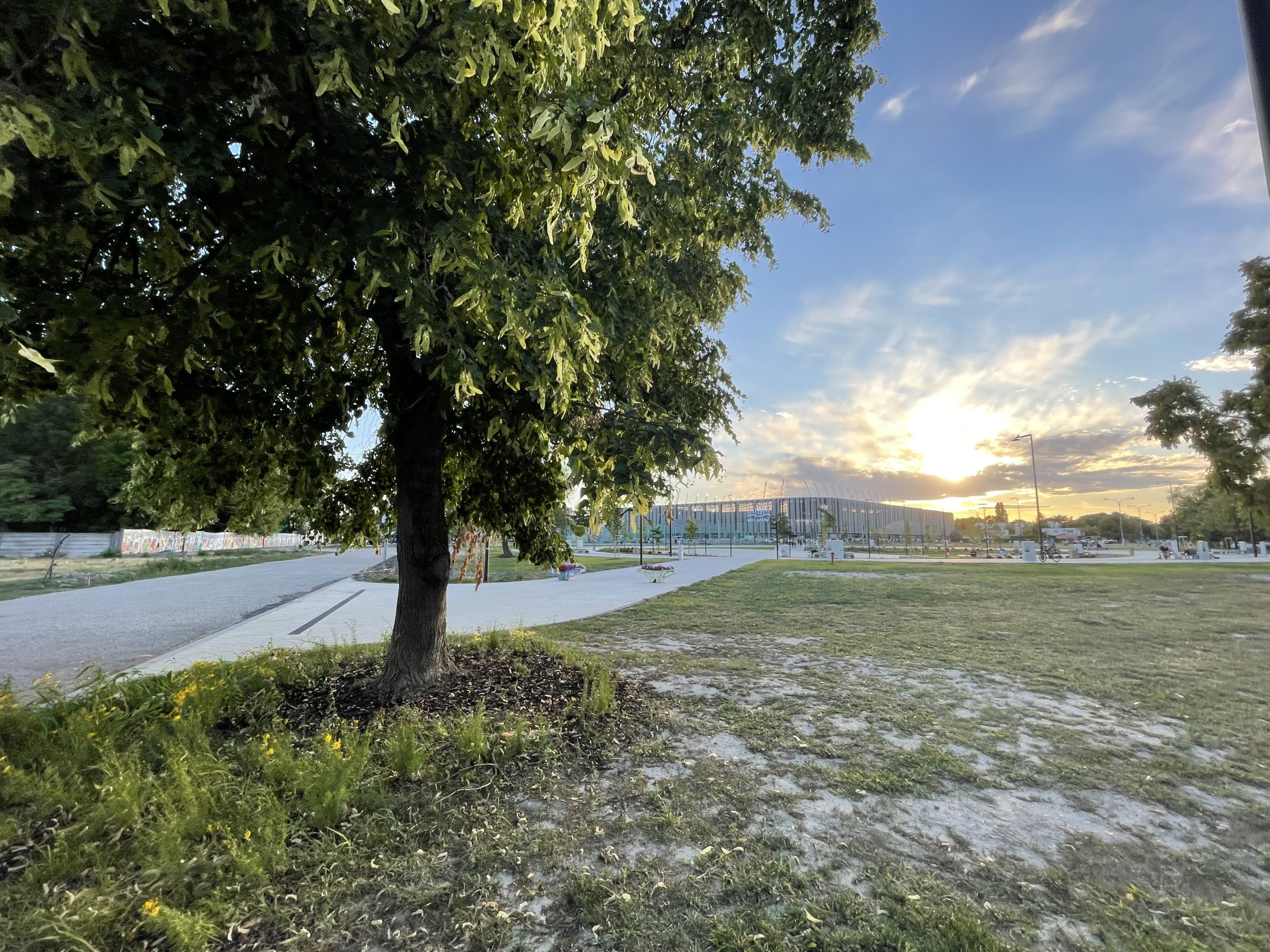
The city of Dunajská Streda, located in the heart of the Žitný ostrov, is the most important cultural, administrative, and economic center of the district. Hearing its name, many football fans immediately think of their team, DAC, but this city offers much more in terms of attractions. Our cycling tour begins at the Marketplace.
The village is located about 3 km from Dunajská Streda. It features the highest point above sea level on the Žitný ostrov. The Roman Catholic church in Malé Dvorníky was originally built as a chapel in 1735. In the valley in front of the church, there is a Lourdes cave with statues of the Immaculate Conception and Bernadette. The local village hall is also beautiful and can be admired during our trip. Malé Dvorníky was named Village of the Year in 2013.
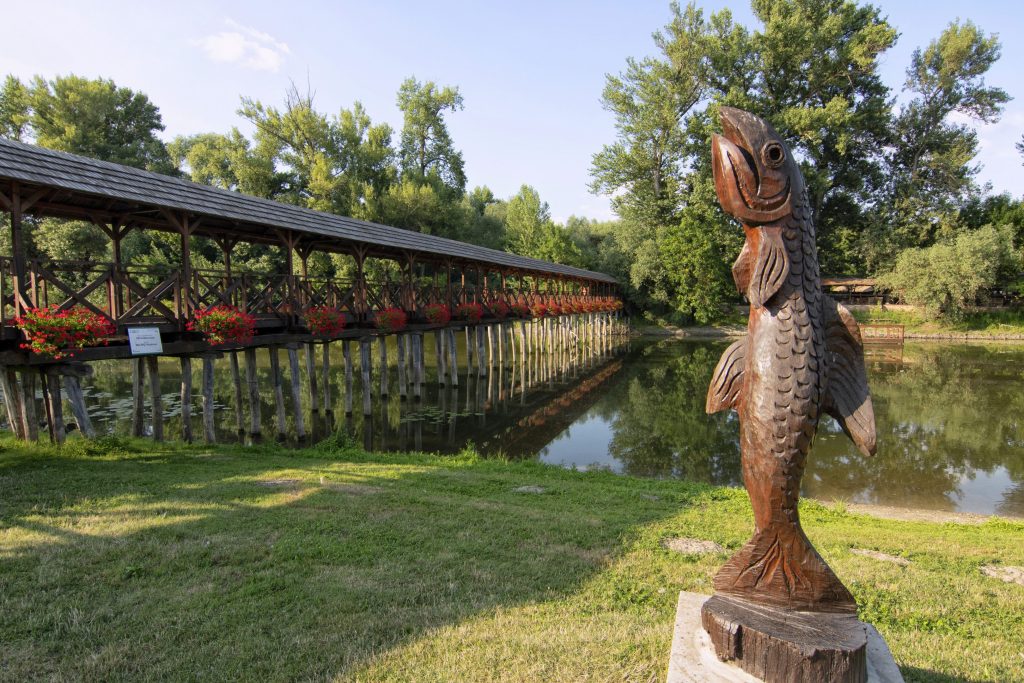
The water mill on the Klátovskom ramene is located near the village of Dunajský Klátov and is a cultural technical monument. The mill was built in 1920 by Ján Cséfalvay and operated until 1942. It was damaged during World War II and was used only until 1950, when its last owner, Michal Cséfalvay, took over.
In 1987, it was renovated and is now part of the Žitnoostrov Museum in Dunajská Streda, currently managed by the municipality of Dunajský Klátov. The mill building houses a permanent exhibition of water milling with original equipment. In 2016, a comprehensive reconstruction of the entire facility was completed, and an observation platform was built on the opposite bank of the Klátovské arm. We recommend a short break at the MILIA wine & event resort in Dunajský Klátov.
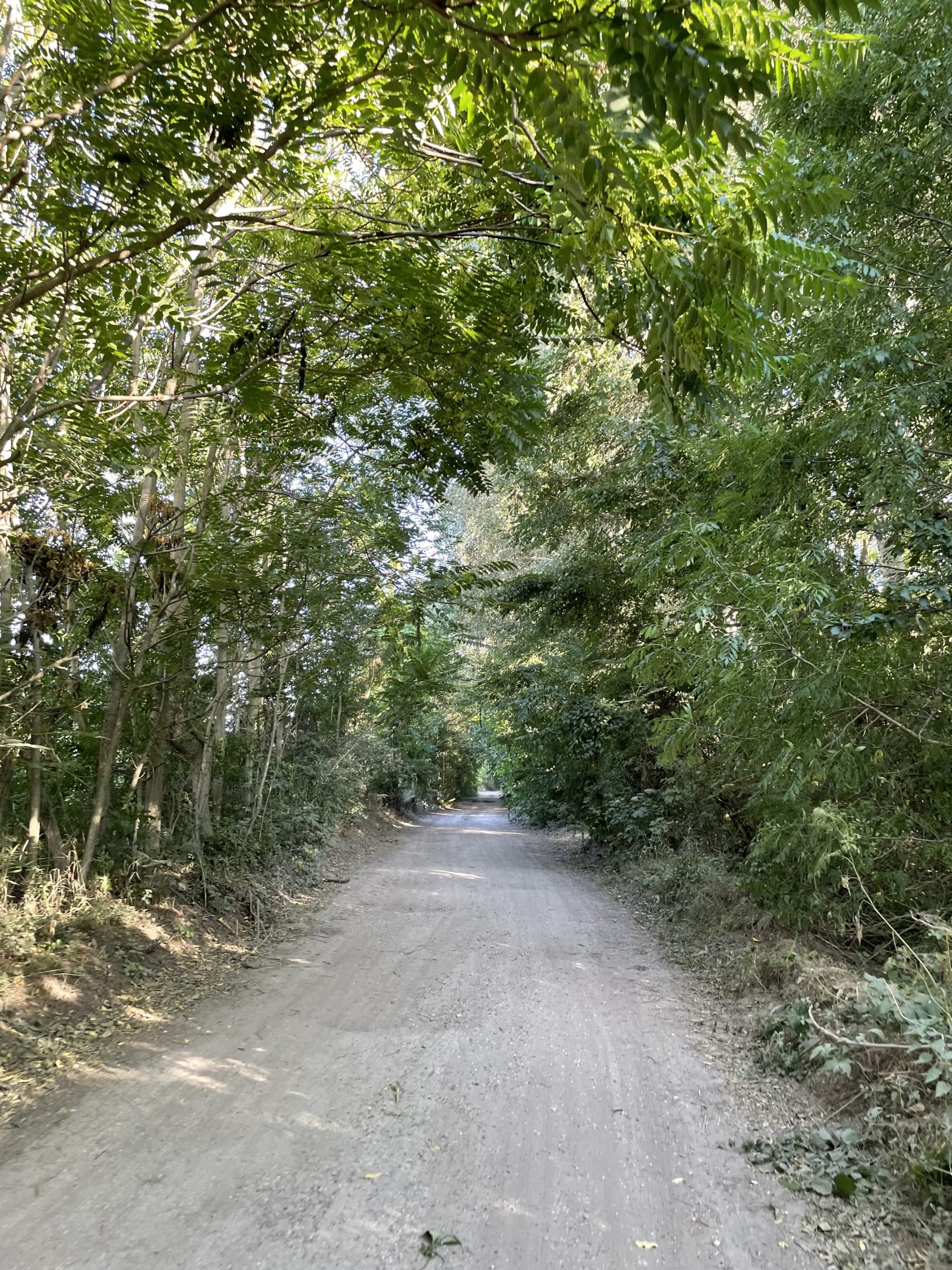
After the water mill, turn right, and you'll reach the next stop (this section follows a dirt road). Although it lies outside the village of Ohrady, administratively, it includes the small but beautiful island of Soľnoostrovský majer and the estate "Kürti." The area is rich in fauna and flora.
Approximately 6 km from where Dunajská Streda is located today, members of the Hungarian tribe Kürt decided to settle over a thousand years ago. Before 1138, a Roman Catholic church was built in the village, which is still considered the oldest structure in the area. The tower, made of brick, stands on a foundation of rubble stone, while the church itself was originally wooden. Despite being rebuilt three times, the tower has remained in its original state to this day. It houses three bells, the oldest of which dates back to 1482. Enjoy a delicious lunch at the Szarvas restaurant.
Continuing along the cycling route, we head to Trhová Hradská, located 10 km from Dunajská Streda. The market road ran through the village, from which the name of the village is derived. A ferry used to operate between Žitný ostrov and Matúšova zem. The first mentions of the village date back to 1399.
The parish church of St. Anthony of Padua in Trhová Hradská is a symbol of the village and is situated in the center. In addition to historical sites, there is a restaurant, a pastry shop, and a playground in the midst of a beautiful large park.
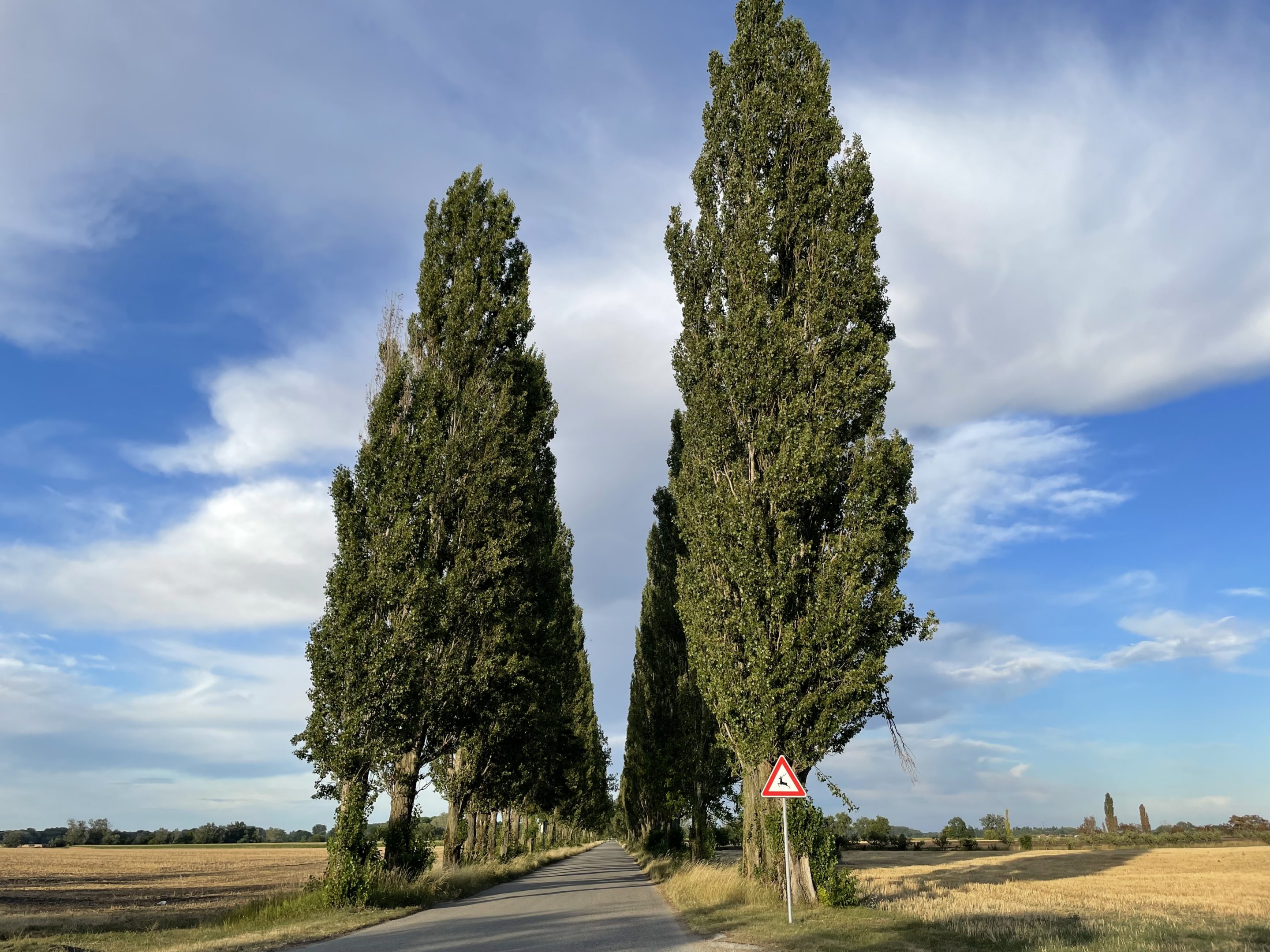
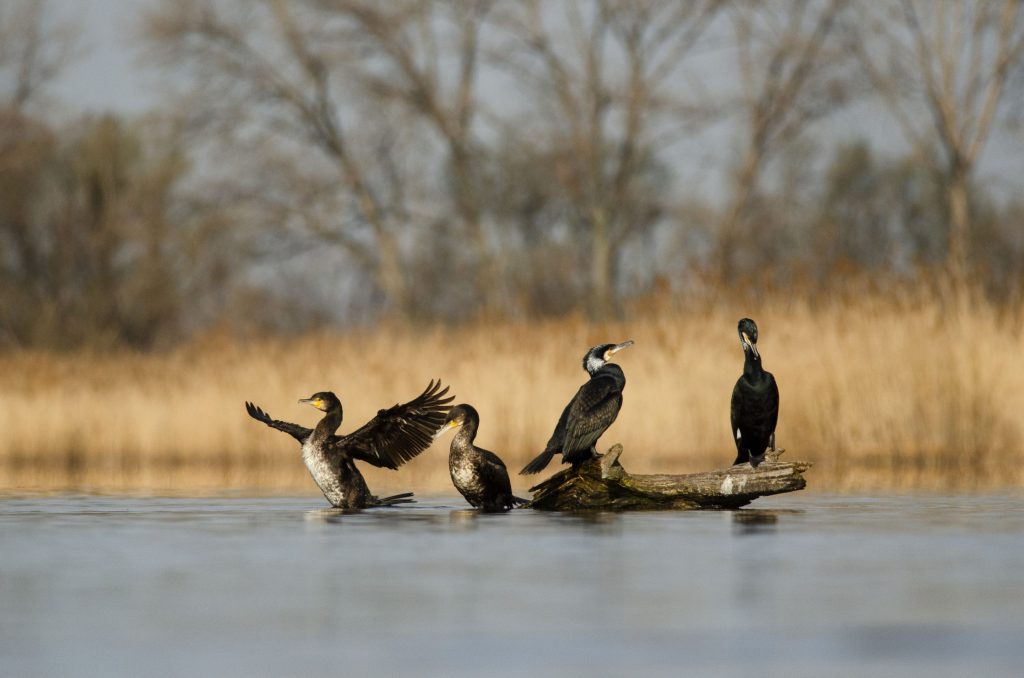
Visitors arriving in the village of Topoľníky from any direction will see the village bordered by water on all sides. This over 900-year-old village welcomes everyone with numerous attractions, a rich cultural life, and various opportunities for sports. Approximately 3 km east of the village lies the Klátovské arm, or the confluence of the Little Danube. The water, along with the characteristic shady willows and poplars of the Žitný ostrov, invites people to uplifting and healthful walks.
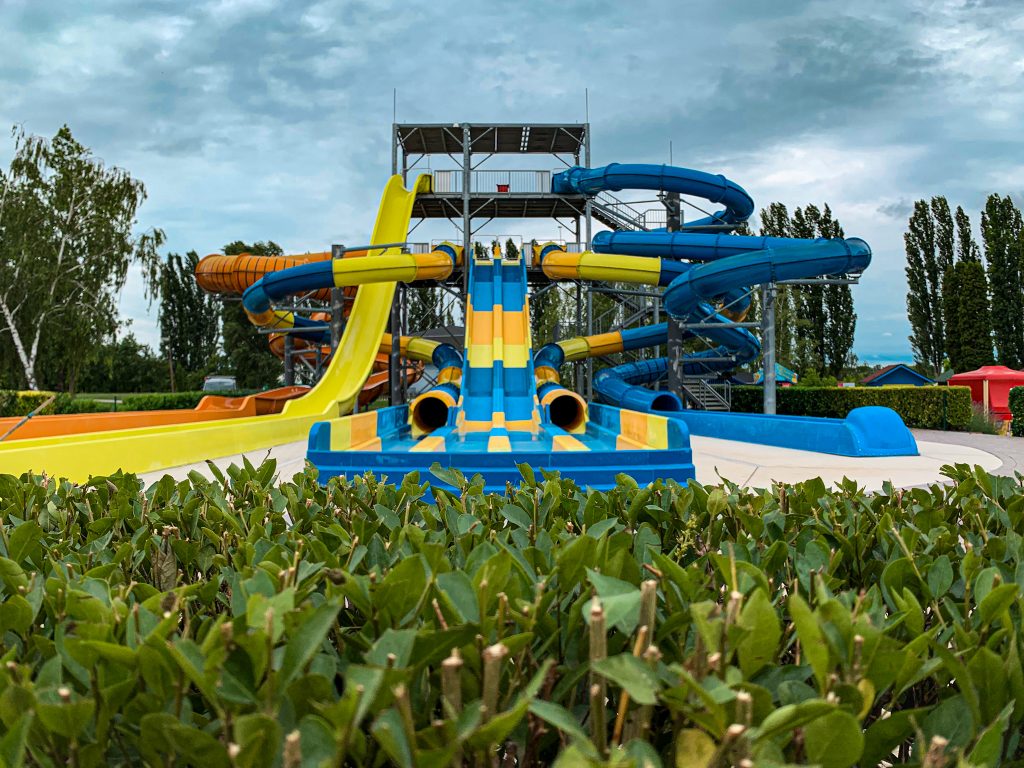
In 1983, a thermal spa was opened here, providing a place where every age group can find opportunities for swimming and fun. Next to the spa, there is a campsite with excellent conditions for camping. The Pallos Restaurant and Café also offers refreshments
From Topoľníky, we will return along the cycling route to Veľké Dvorníky, the village in close proximity to our starting point. The name of the village first appears in a document from 1252 as "Vduarnok," in 1346 as "Nogwduornuk," in 1786 as "Nagy–Udvarnok," and in 1927 as "Veľké Dvorníky." In 1960, the merger of Malé Dvorníky, Veľké Dvorníky, and Búšlak created a self-governing entity named Dvorníky na Ostrove, but in 1990, these two villages regained their independence.
The village features a Roman Catholic church dedicated to the Assumption of the Blessed Virgin Mary, which was built in 1954.