A tour of the sights planned and designed by the Dunajská Streda tourist center, featuring the architectural works of Imre Makovec.
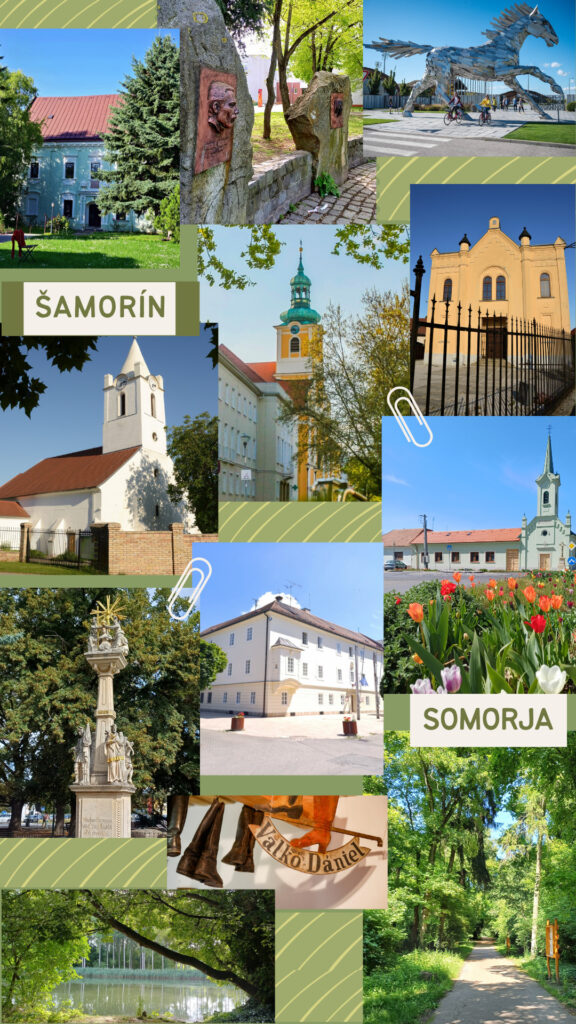
At the meeting of the city council on September 30, 1901, the representatives of the town decided to purchase a house at 93 Hlavná Street, known as the Karol Pleyer House, for the final placement of the city's offices. The building was originally constructed as a café. The ceremonial handover of the building took place on October 4, 1902. In 1994, the creation of a new appearance for the town entered a serious planning stage. Architect Makovec's renovations aimed to restore the old patina of Hlavná Street. Among the city's plans was the reconstruction of the town hall. The Memorial to the Victims of Dictatorships is located in front of the City Hall and symbolizes remembrance of the Hungarian Revolution of 1956. It serves as a memento and a tribute to the victims of dictatorship. The author of the artwork is the academic sculptor János Nagy. The memorial was ceremoniously unveiled on October 31, 2006.
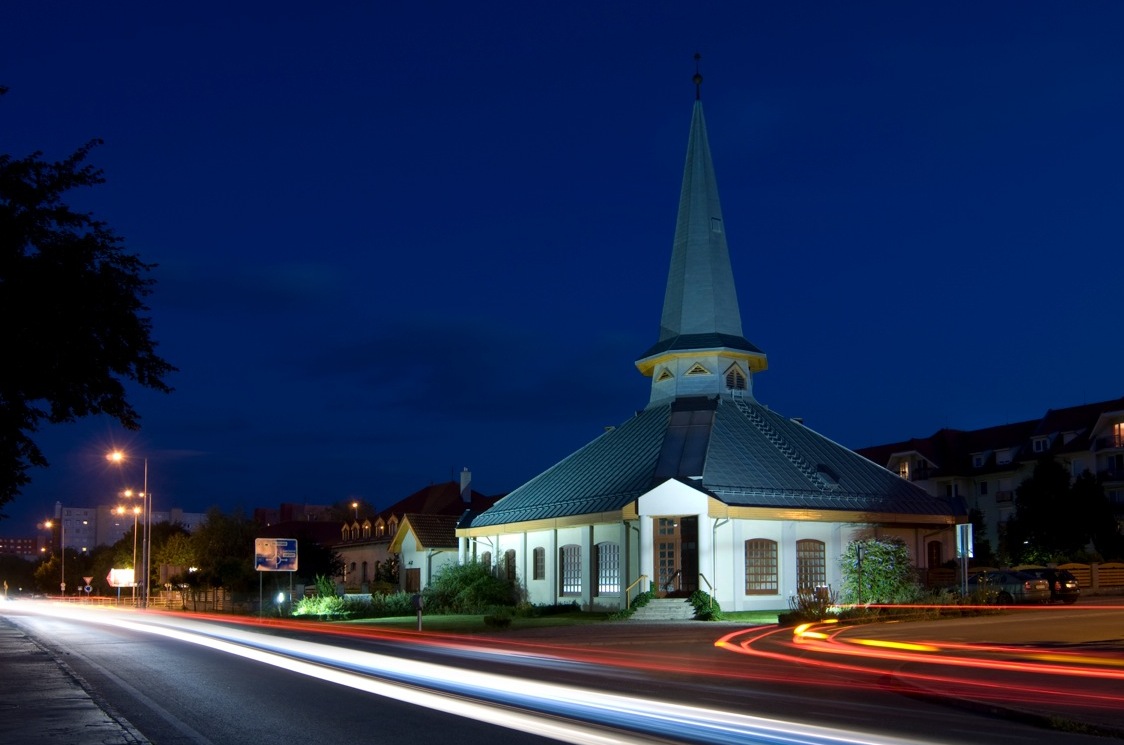
The construction of the church was completed in 1998 in an architectural postmodern style. Donations from the faithful were used for its construction.
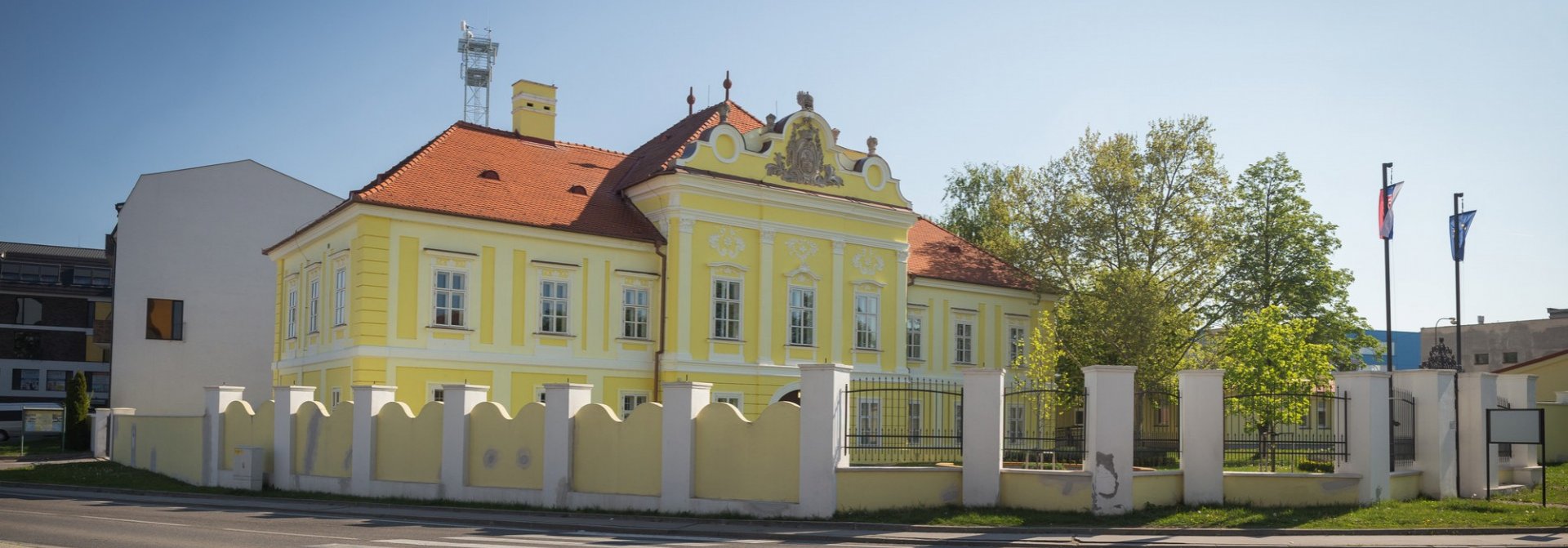
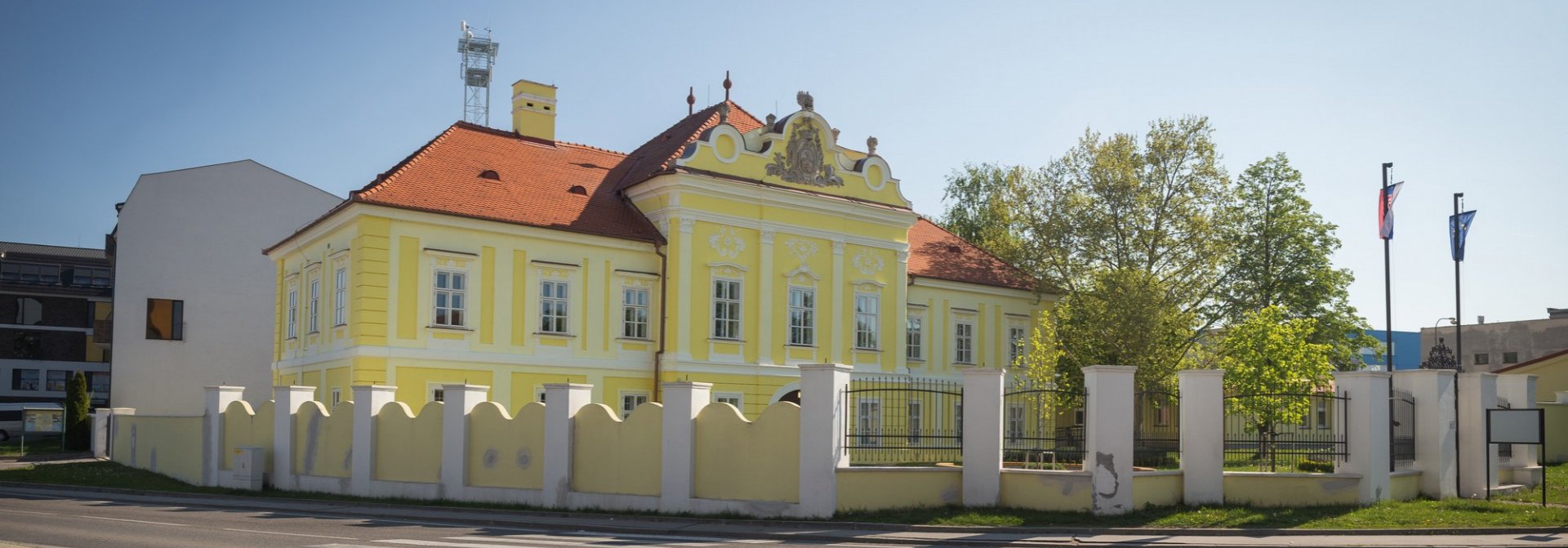
In 1753, the bishop of Veszprém, Márton Bíró Padányi, commissioned the construction of a spacious two-story manor house with an extensive estate in the district of Pókatelek for his brother, István Bíró, later known as the Yellow Manor. From 1938 to 1944, it served as the headquarters of the Hungarian military administration. In 1944 and throughout 1945, it was first the base for German military command and later for Russian military command. After the war, the building was taken over by the Czechoslovak military office. From 1953 to 1972, the manor housed the land office. In 1972, the Žitný ostrov Museum moved here from the White Manor of the Bacsák family, which was provided space for permanent exhibitions and research. In 1977, the main building of the manor was renovated. Currently, it hosts a permanent exhibition of the Žitný ostrov Museum.
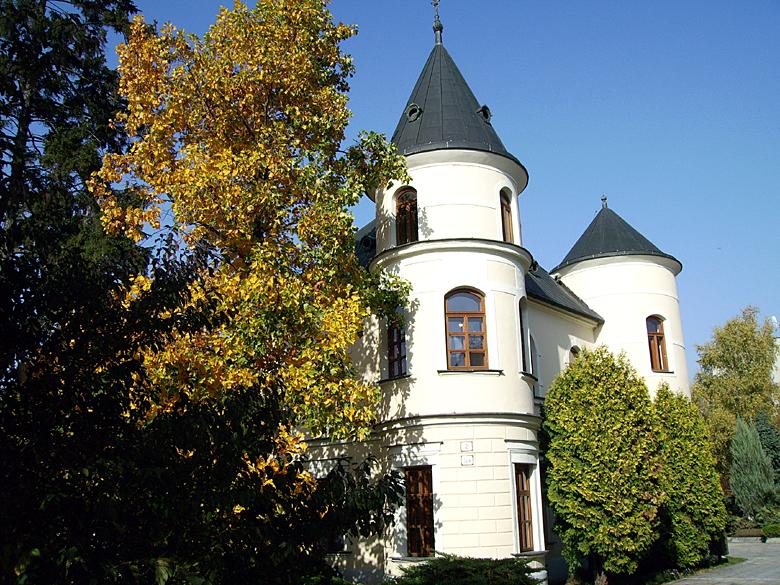
The original building of the villa was a single-story structure. It was built by Ferenc Vermes, a landowner and supervising judge. In 1909, the then-owner renovated it, adding towers and giving the villa its present appearance. During World War II, it served as the headquarters for the German and later the Russian army. In the 1960s and 1970s, the villa was used for recreational and club activities for children and youth. From 1988 to 2002, it housed a branch office of the Slovak National Gallery. Since 2005, the villa has been owned by the City of Dunajská Streda, and after renovation, it became the headquarters of the Gallery of Contemporary Hungarian Artists.
The oldest historical and ecclesiastical monument of the town. According to references from the early Arpad era, a wooden church likely stood on the site of the current Roman Catholic church in the past. The stone foundations of the church, the nave, the sanctuary, and the tower were built in 1329 in the Gothic style. In 1518, the church was remodeled in the late Gothic style into a two-chamber church with a side nave. Extensive renovations in 1742-43 transformed the church in the Baroque style, raising the church walls and constructing the tower. The Baroque architectural style has been preserved in the building of the church to this day.